African Women in Technology: Why It Matters and How You Can Help
Across Africa, the representation of women in technology remains alarmingly low. While the tech industry is one of the fastest-growing sectors globally, systemic barriers such as limited access to education, cultural biases, and financial constraints continue to hinder African women from entering and thriving in this field. According to UNESCO, women make up only 35% of the world’s STEM graduates, and this gap is even wider in many parts of Africa.
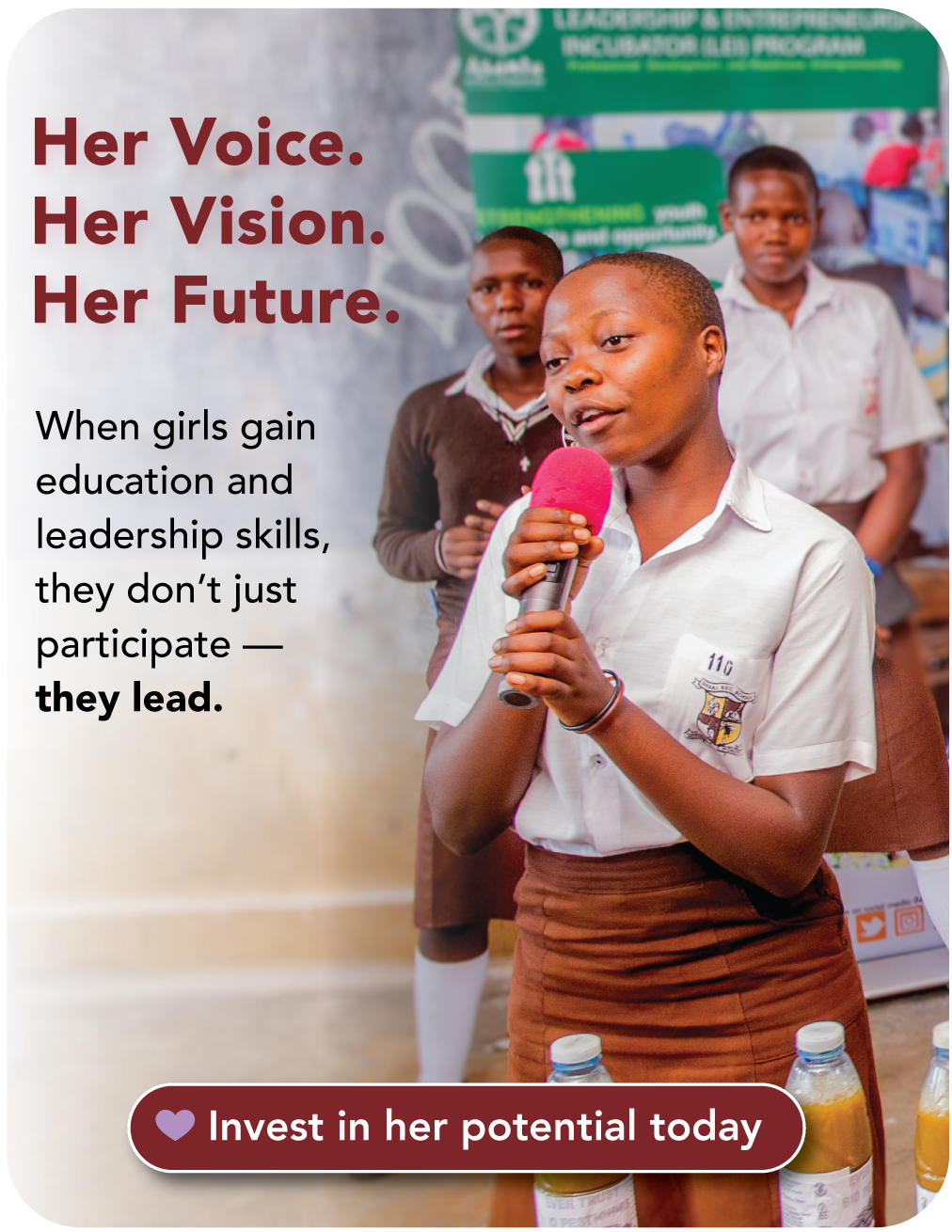
The lack of women in technology is more than just a gender issue—it’s a missed opportunity. Increasing the participation of women in tech is not only essential for fostering innovation but also for driving economic growth and creating more inclusive communities. At Asante Africa Foundation, we’re working to change this narrative. Through programs like the Digital Employability and Entrepreneurship Program (DEEP) and the Wezesha Vijana Program (WVP), we are equipping women with the skills and confidence they need to break into the tech world and lead the way for others.
This blog explores why empowering African women in technology is critical, highlights data-driven insights into the current gender gap, and shows how you can help bridge the divide. Together, we can create a more inclusive and innovative future.
The Current Landscape of Women in Technology in Africa
In Africa, women are significantly underrepresented in the technology sector. Many barriers contribute to this disparity:
Limited Access to Digital Education
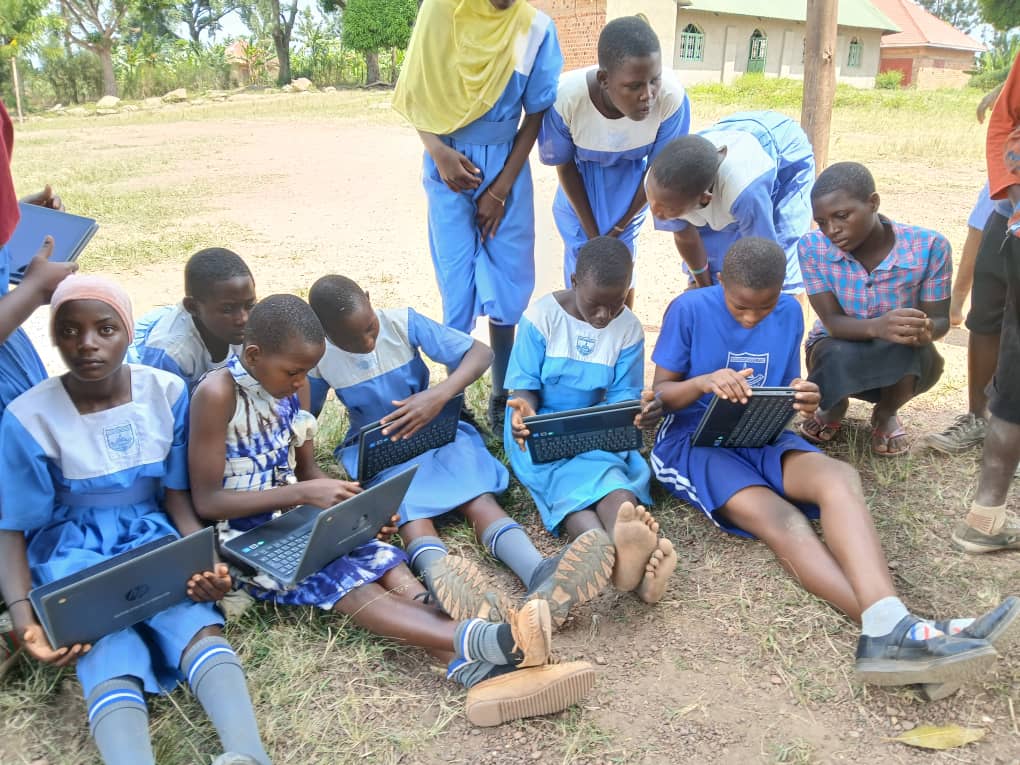
Many girls and women lack opportunities to acquire digital skills due to inadequate educational resources and infrastructure. This digital divide hampers their ability to pursue careers in technology.
Cultural Norms and Gender Bias
Societal expectations often discourage women from entering STEM fields, viewing them as male-dominated areas. This bias affects educational choices and career aspirations.
Financial Limitations
Economic constraints prevent many women from accessing quality education and training programs necessary for tech careers. The high cost of digital devices and internet access further exacerbates this issue.
Addressing these challenges requires targeted interventions:

Enhancing Digital Education
Investing in educational programs that provide girls and women with digital literacy and technical skills is crucial. This includes integrating technology into school curricula and offering specialized training.

Challenging Cultural Norms
Community engagement and awareness campaigns can help shift perceptions about women in technology, encouraging more inclusive attitudes.

Providing Financial Support
Scholarships, grants, and affordable access to digital tools can enable more women to pursue tech education and careers.
By implementing these strategies, we can work towards closing the gender gap in Africa’s technology sector, fostering a more inclusive and innovative environment.
The Impact of Programs Like DEEP and WVP

Asante Africa Foundation’s Digital Employability and Entrepreneurship Program (DEEP), an initiative under the umbrella of our Youth Livelihood Program, and the Wezesha Vijana Program (WVP), are at the forefront of efforts to bridge the gender gap in technology. These programs address systemic barriers faced by women and equip them with the skills, resources, and confidence they need to succeed in the digital economy.
DEEP focuses on intensive training in technical and entrepreneurial skills, offering participants globally recognized certifications in areas like software development, IT support, and computer networking. Since its launch, DEEP has trained numerous young women, many of whom have gone on to secure jobs in the tech sector or launch their own businesses. For example, 85% of DEEP apprentices have found employment after completing the program, with many earning exponentially higher incomes. Some graduates have even started community-based tech hubs, providing services like IT maintenance and digital literacy training.
WVP, which means “Empowering Ourselves” in Swahili, takes a holistic approach to leadership and life skills, addressing cultural and social barriers that often hold young women back. By building confidence, teaching financial literacy, and encouraging participation in STEM activities, WVP helps participants envision and achieve their potential.
These programs are producing measurable outcomes:
Economic Empowerment
DEEP graduates report an average income increase of 300%, enabling them to support their families and invest in their futures.
Community Impact
Participants in WVP often engage in pay-it-forward initiatives, mentoring others and sharing the knowledge they’ve gained.
Leadership Growth
Both DEEP and WVP graduates regularly take on leadership roles in their communities, breaking stereotypes and inspiring others.
By addressing barriers such as limited access to digital tools, cultural biases, and economic constraints, DEEP and WVP are creating pathways for women to enter and thrive in technology. These programs not only empower individual women but also foster community-wide transformation, proving that investing in women in technology is an investment in a brighter future for all.
Why Women in Technology Matters
Increasing women’s participation in technology yields significant benefits across economic growth, community development, and innovation:
Economic Growth
Empowering women in tech can substantially boost GDP. A McKinsey Global Institute report estimates that advancing gender equality could add $12 trillion to global GDP by 2025. In Africa, integrating more women into the tech sector can drive innovation and economic expansion.
Community Impact
Women typically reinvest up to 90% of their income into their families and communities, compared to 30-40% by men. This reinvestment enhances education, health, and overall community well-being, creating a multiplier effect that fosters sustainable development.
Diversity in Innovation
Diverse teams, including women, are more innovative and perform better. Research from the Boston Consulting Group found that companies with more diverse management teams have 19% higher revenues due to innovation. Incorporating women’s perspectives leads to more inclusive products and services, meeting the needs of a broader audience.
Globally, there’s a growing recognition of the importance of women in technology. Africa has the opportunity to lead by implementing policies and programs that support women’s education and participation in tech, setting a precedent for inclusive growth and innovation.
How You Can Help
Empowering women in technology is not just about closing the gender gap—it’s about creating opportunities for innovation, growth, and equality. Here’s how you can join Asante Africa Foundation in making a difference:

Support Programs Like DEEP and WVP
Your donations directly fund impactful programs that equip women with the tools and skills they need to thrive in the tech industry. Contributions help provide globally recognized certifications, digital tools, and mentorship opportunities for women through initiatives like DEEP and WVP. By donating, you ensure that more women gain access to the resources that can transform their futures and uplift entire communities.

Volunteer and Partner
As a mentor, you can inspire the next generation of women in technology by sharing your expertise and experiences. Organizations can partner with Asante Africa to provide internships or collaborate on innovative projects, creating pathways for women to enter and succeed in tech fields. Your time and expertise can have a lasting impact on the lives of program participants.

Spread the Word
Advocacy matters. Sharing stories of success, such as those of DEEP and WVP participants, helps amplify the message of inclusion and empowerment. Use your platforms to raise awareness about the importance of women in technology and the work Asante Africa is doing to make this vision a reality.
Together, we can break down barriers and build a future where women in technology lead the way in shaping a more equitable and innovative world. Visit our website to learn more, get involved, or make a donation today.