
Checklist: 10 essential skills for young people starting their first job in Kenya
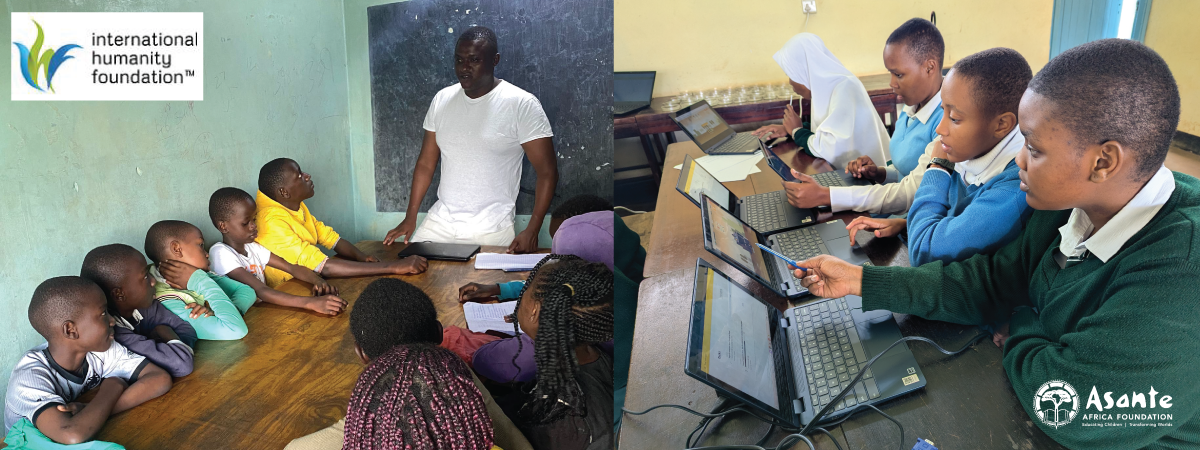
Getting your first job in Kenya is no small thing. Youth unemployment sits at over 67% (yes, that number is real), which means landing that role took effort, luck, or both. The formal sector is growing, but it is also more competitive than ever, and the gap between getting hired and actually thriving at work is wider than most people expect. Organizations like Asante Africa Foundation and the International Humanity Foundation (IHF) are working to close that gap — through skill-building programs that give young people the practical tools they need to not just enter the workforce, but succeed in it.
Your first job is not just income. It is where habits form, reputations are built, and careers either take off or stall. The goal of this checklist is simple: To give you a practical, Kenya-specific look at what actually matters when you show up on day one. This is for fresh graduates, school leavers, and anyone stepping into formal employment for the first time.
#1 Professional Communication
Most workplaces in Kenya run on a mix of English and Swahili, and knowing when to use which matters. Formal emails go in English. A quick check-in with a colleague might be in Sheng or Swahili. The ability to move between these registers without losing professionalism is a real skill.
Written communication covers emails, reports, and even WhatsApp messages to your supervisor (yes, tone matters there too). Verbal communication means speaking clearly in a meeting, following up on instructions, and listening, actually listening, not just waiting for your turn to talk. It also means having the confidence to contribute an idea, ask a question, or step up when something needs leading.
These habits take time to build, and the earlier you start, the better. Both Asante Africa Foundation and International Humanity Foundation begin developing leadership and communication skills early, embedding this focus across their programs for students. By the time you reach the workplace, the groundwork is already laid.
Checklist: Can you write a clear professional email from scratch and speak up in a meeting without waiting to be asked?
#2 Time Management and Punctuality
“Kenya time” is a cultural reality in social settings. In formal employment, it is a liability. Showing up late to work or to meetings signals something to your employer, and it is never something good.
Managing time at work starts before you even arrive. Nairobi traffic alone can derail your morning if you have not planned for it. Tools like Google Calendar, phone alarms, and simple to-do lists help you track tasks and deadlines. Prioritizing what is urgent versus what can wait is a skill you build over time, but the foundation is showing up on time and submitting work when it is due.
Checklist: Do you consistently show up on time and submit work before deadlines?
#3 Financial Literacy and Personal Budgeting
Your first payslip will look nothing like the salary you were promised (surprise!). Before that money hits your account, deductions have already been made: PAYE (Pay As You Earn tax), NHIF (health insurance), NSSF (pension), and the housing levy. On a Ksh 30,000 gross salary, you might take home closer to Ksh 24,000. Knowing what each deduction means and why it exists is the starting point.
From there, the work is budgeting that net figure across rent, transport, food, airtime, and savings, before the month ends. M-Pesa lock savings and bank accounts with standing orders are useful tools. The traps to avoid are real: salary advances, Tala and Branch loans with steep interest rates, and the social pressure to spend like peers who may be earning more or borrowing more than they let on. This is an area both Asante Africa Foundation and IHF addresses directly through their programs, which builds financial literacy skills for young people across all stages of their development — before and after they ever see a payslip.
Checklist: Do you have a monthly budget written down, and are you saving something (even Ksh 500 a month) consistently?
#4 Digital and Computer Literacy
Most entry-level jobs in Kenya will expect you to use Microsoft Word, Excel, and PowerPoint without needing a tutorial. Email platforms like Gmail and Outlook are standard. If your role is in finance, QuickBooks will likely come up. If it is in marketing or communications, Canva is almost guaranteed. If you want to build or strengthen these skills beforehand, programs like Asante Africa Foundation’s DEEP program and local online platforms offer practical, accessible training.
Beyond the tools themselves, basic digital hygiene matters: using strong passwords, recognizing phishing emails (the ones that look official but are not), and knowing not to open strange attachments. These are not advanced skills. They are table stakes, and gaps here get noticed quickly.
Checklist: Can you create a spreadsheet, draft a document, and send a professional email confidently?
#5 Workplace Etiquette and Professionalism
Every workplace has written rules and unwritten ones. The written ones are in your contract and HR handbook. The unwritten ones, how to greet your supervisor, what topics to avoid at lunch, how loud to be in an open-plan office, are the ones that will actually shape how people see you.
Dress code is part of this. Smart casual in a bank looks different from smart casual in a tech startup. Social media conduct is another area that catches people off guard. Posting complaints about your employer, your workload, or a colleague, even vaguely, has ended careers before they properly started. Kenya’s workplaces are also diverse across ethnicity, religion, and generation, and navigating that diversity with basic awareness goes a long way.
Checklist: Do you understand the unwritten rules of your workplace environment?
#6 Adaptability and Resilience
We grow when we do more than yesterday. Real growth starts when a person learns how to solve problems instead of only following instructions. Step by step, a team member can become a lead – someone who not only delivers tasks, but also builds a vision, supports the team, and understands how people work together.
In the IHF, new challenges appear every month. Nothing stays static for long, and that pushes us to adapt constantly. To keep moving forward, we need to become stronger, faster, and more flexible in the way we think and work. Experience matters, but the ability to learn and react matters even more.
A strong team is built by people who are ready to improve every day, help others grow, and take responsibility when things become difficult.
Checklist: Do you have the inner resilience to handle unexpected challenges?
#7 Responsibility
Every experience makes you deeper. It gives perspective, ideas, and understanding that cannot appear without action. No one can avoid reactions to their work – sometimes positive, sometimes negative. Both matter. The real question is always: “What’s next?” Can you continue moving forward instead of stopping at success or failure?
Taking responsibility opens that door. At some point, you have to make decisions without guarantees and accept the consequences that come with them. This is where development begins – when a person stops avoiding outcomes and starts learning from them. Responsibility is not only pressure; it is also freedom to shape the future through your own actions.
Checklist: Can you take full responsibility for your decisions without conditions?
#8 Staying Ahead in Your Field
Many professions have appeared in recent years, and many more will appear in 2026 and beyond. The world changes too fast to rely only on what you already know. Adapting your skills and continuing to learn is no longer an optional advantage – it is a basic requirement for anyone who wants to stay relevant in their field.
Technologies evolve, industries change, and expectations become higher every year. To grow professionally, you need to stay curious, improve your abilities, and be ready to learn new approaches.
Checklist: Do you know which skills in your field will be in demand over the next five years?
#9 Networking and Curiosity
Networking often starts in the most unexpected places – in a café, at a gas station, in a hospital, or during a random conversation with someone you have never met before. Opportunities are not always planned. That is why curiosity matters. Be genuinely interested in the person in front of you, and do not be afraid to start a conversation.
Good communication creates connections. Use your vocabulary, express your thoughts clearly, and do not let shyness stop you from meeting people. No one truly knows where the next chance, idea, or partnership can come from.
Checklist: Are you open-minded enough to recognize opportunities in every connection?
#10 Discipline and follow-through
The ability to follow instructions is one of the foundations of discipline. Not motivation, not a strong CV, and not even ambition can replace consistent action over time. Real progress comes from the ability to keep moving forward every day, even when the process becomes repetitive or difficult. Discipline allows a person to stay focused, continue learning, and build results step by step.
Whether you notice it or not, you are becoming a different person through the routines you choose to follow every day.
Checklist: Are you ready to follow through consistently in order to achieve results?
Final Thought
Getting your first job in Kenya is an achievement in itself. But staying, growing, and building something meaningful from that first opportunity – that takes a different kind of preparation. The ten skills in this checklist are not things you master once. They are habits you keep returning to, at every stage of your career. Whether you are walking into your first office, your first NGO role, or your first day as a freelancer, the fundamentals remain the same: show up prepared, communicate clearly, take responsibility, and keep learning.
Both Asante Africa Foundation and International Humanity Foundation exist to support young people on exactly this journey. Because the skills that take you from hired to thriving are learnable, and you do not have to figure them out alone.
