
Life Savers: High School Girls Bring STEM Solutions to Marsabit’s Water Crisis
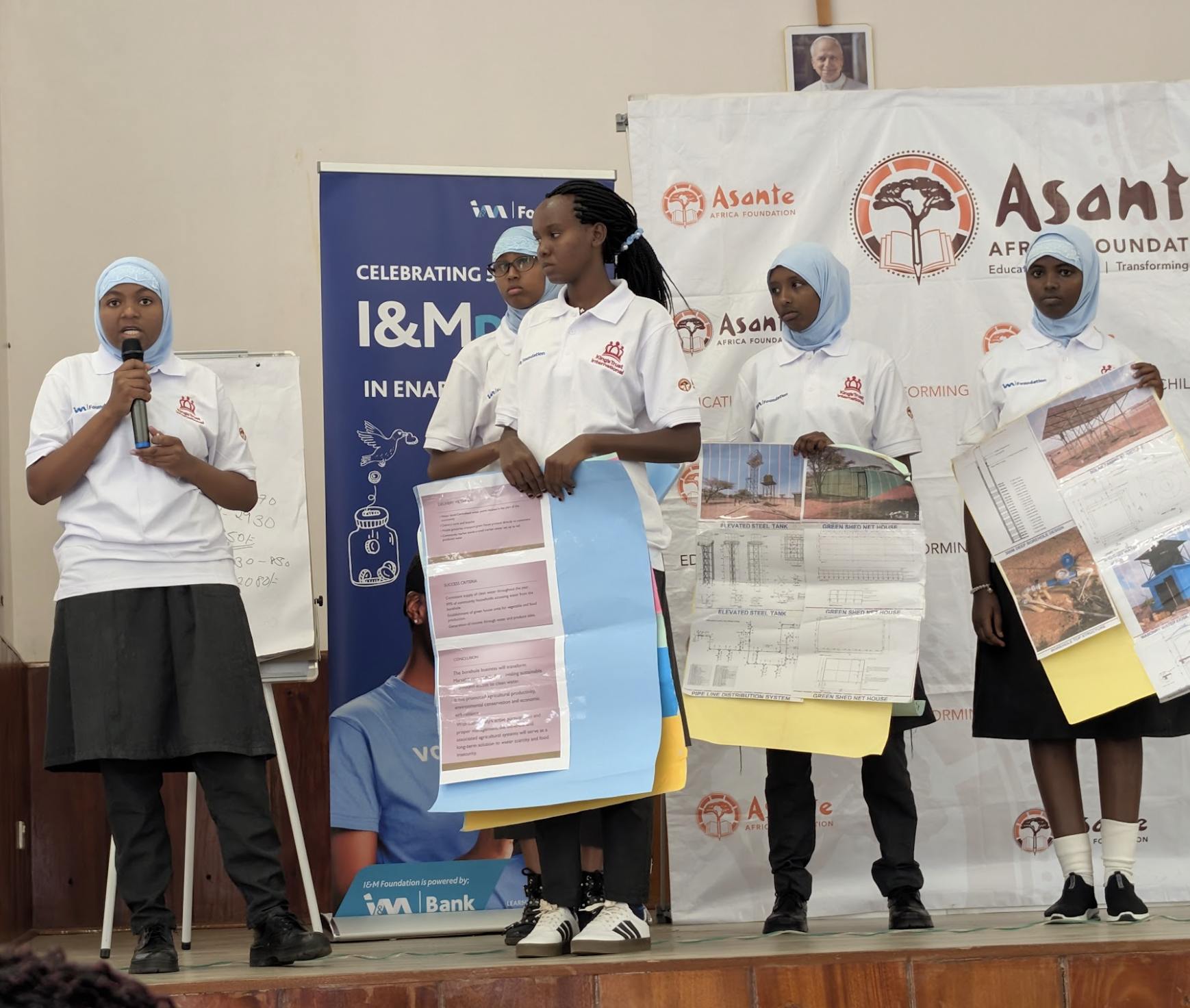 In the arid landscape of Marsabit, Kenya, where prolonged droughts have long challenged communities’ access to clean water, a group of high school girls from Moi Girls Marsabit are developing innovative solutions that could transform their region’s future. Through the Asante Africa Foundation’s 2025 Enterprise Challenge, these students created Life Savers Borehole Business – a venture that applies water science, renewable energy, and climate adaptation principles to address one of their community’s most pressing needs.
The project showcases how young women are exploring careers in water engineering and climate solutions, using STEM knowledge to tackle real-world challenges. Their innovative business plan combines hydrogeology (the science of groundwater)with solar-powered pumping systems and water storage design to create a sustainable water supply solution for drought-prone Marsabit.
Applying Science to Community Challenges
The project demonstrates how STEM education translates into practical problem-solving. The students researched borehole systems that can access deep groundwater reserves, ensuring a reliable water supply even during extended dry periods. By incorporating solar-powered pumping technology into their business plan, they designed an environmentally sustainable and cost-effective solution that takes advantage of Kenya’s abundant sunshine.
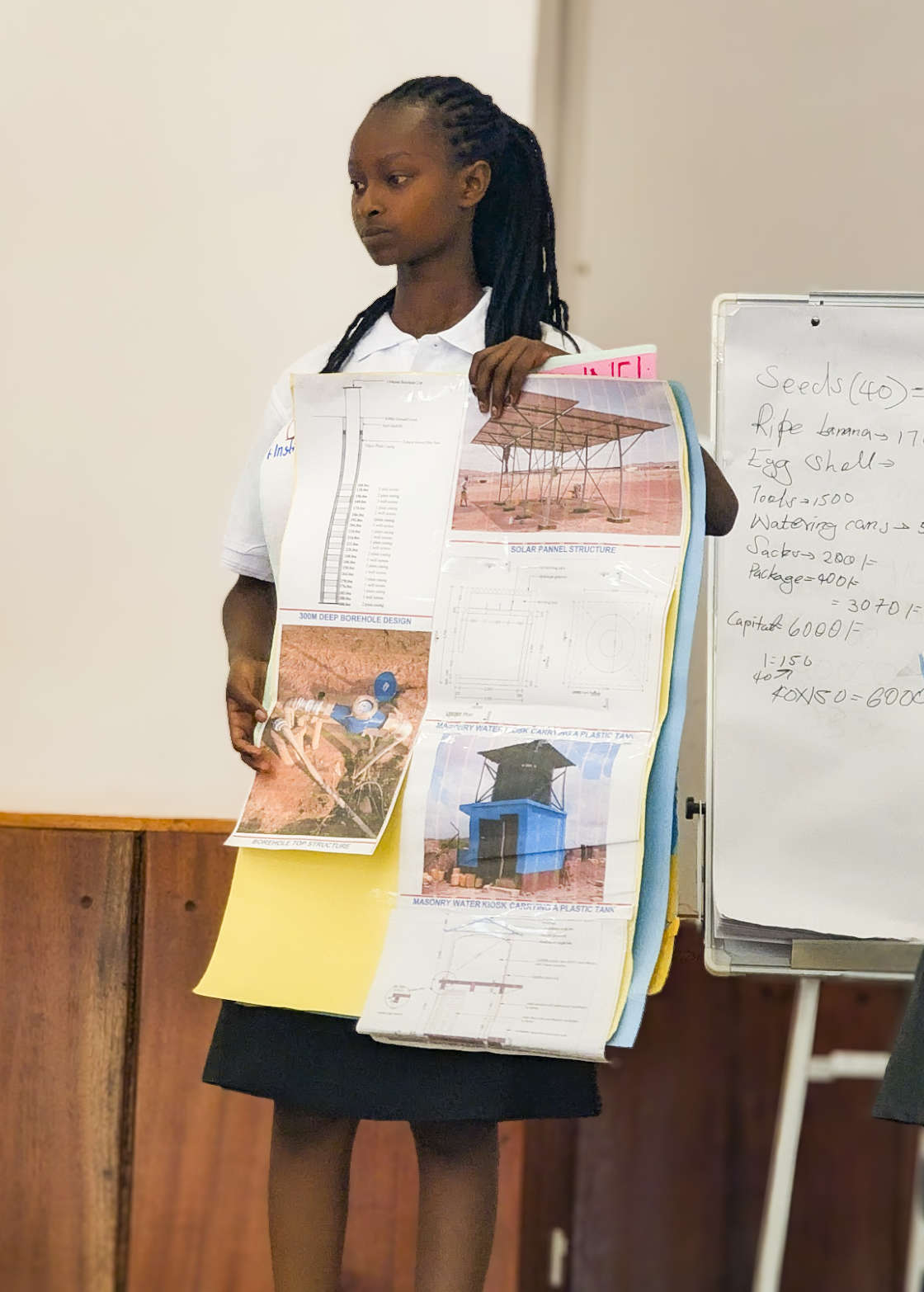 Their approach to water storage and distribution shows thoughtful consideration of community needs, including population density, consumption patterns, and infrastructure requirements.
A Platform for Young Innovators
The 2025 Enterprise Challenge brought together 15 teams and attracted 109 students, 16 teachers, and other stakeholders to showcase innovative business ideas addressing social and environmental issues. The competition, which advances through school, regional, and national stages, is part of Asante Africa Foundation’s Youth Livelihoods Program, an initiative designed to enhance employability, entrepreneurship, and personal development among youth in rural communities.
As climate change intensifies water scarcity across East Africa, projects like Life Savers show that the next generation of women scientists and engineers are already being inspired – learning to build a more sustainable future for their communities, one innovative idea at a time.