
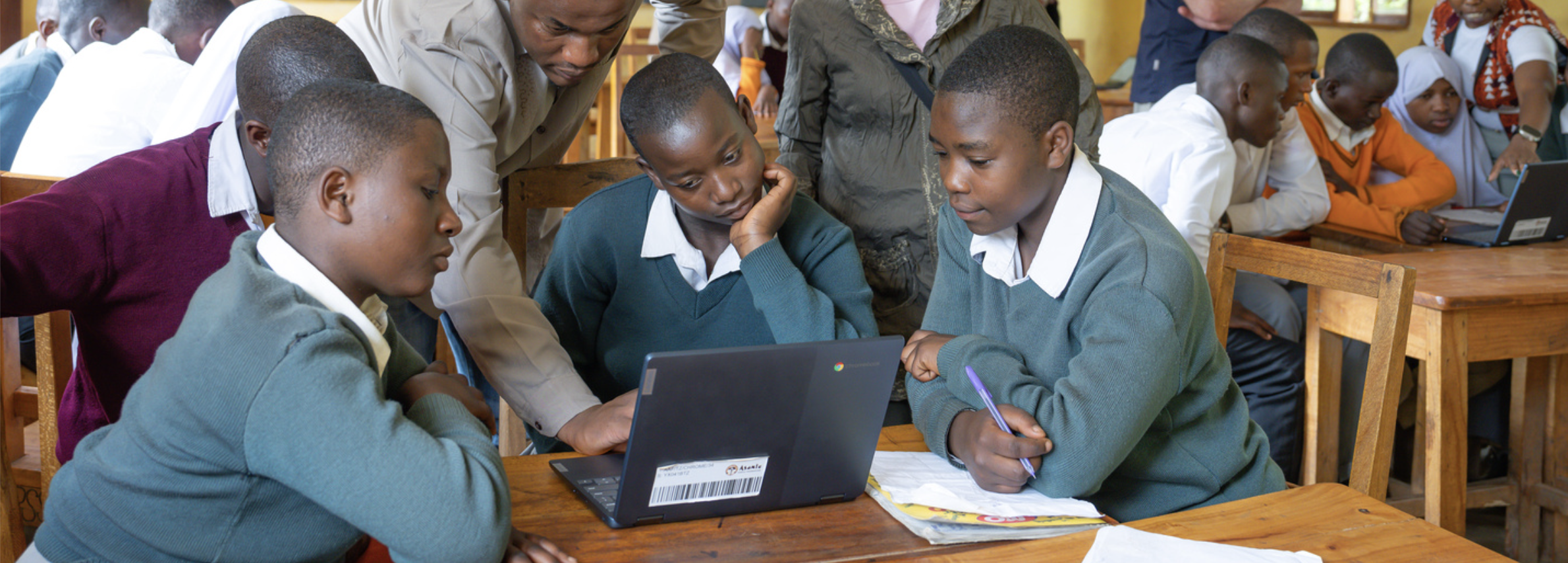
How Asante Africa is Tackling Gender Inequality in Tech
Across Africa, countless talented women and girls remain excluded from the tech sector, not because of their abilities but due to systemic barriers that limit their opportunities. Gender inequality in tech is perpetuated by cultural norms that label technology and science as “male” fields, discouraging girls from envisioning themselves in these careers. Educational gaps further deepen this divide, as fewer girls gain access to quality STEM education or digital tools. On top of that, economic hardships often force families to prioritize boys’ education, leaving girls without the resources or support they need to thrive.
At Asante Africa Foundation, we are determined to rewrite this narrative. Through our Digital Employability and Entrepreneurship Program (DEEP) and Wezesha Vijana Program (WVP), we empower young women with digital skills, entrepreneurial training, and leadership development. These programs are creating pathways for girls to step confidently into the tech world, helping us build a future where gender inequality in tech is a challenge we’ve overcome together.
DEEP – Bridging the Digital Divide
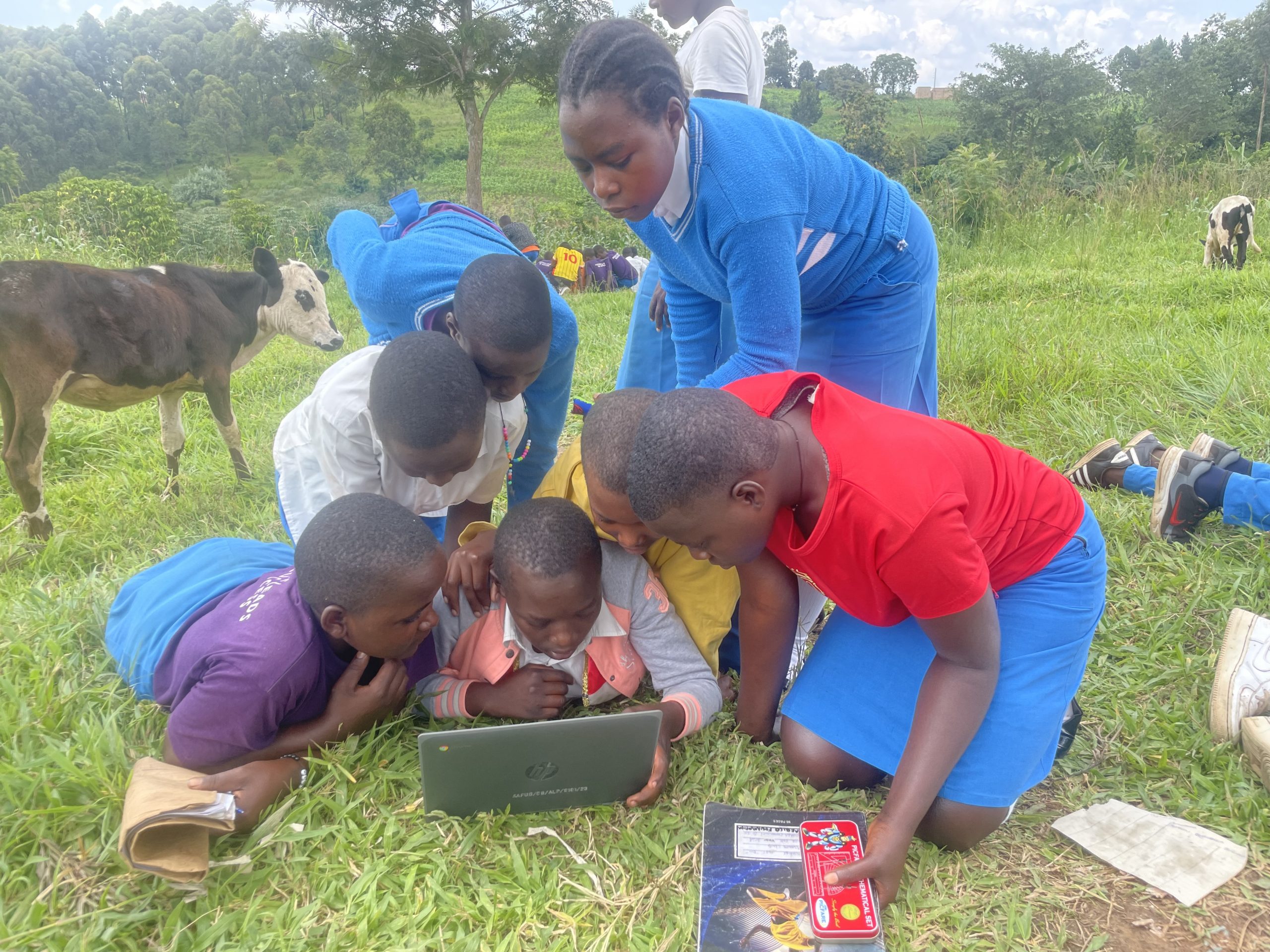
The Digital Employability and Entrepreneurship Program (DEEP), as a program under our Youth Livelihood Program, is our bold initiative to tackle the systemic challenges keeping rural youth, particularly young women, from thriving in the digital economy. This 15-month program provides underserved youth with the tools they need to succeed in technology and entrepreneurship, addressing barriers like limited education, lack of digital access, and economic constraints.
Key Features of DEEP
Comprehensive Training
Over 1,500 hours of project-based learning in areas such as software development, hardware maintenance, and project management.
Global Certifications
Partnerships with tech leaders like Google, Cisco, Salesforce, and Amazon to provide industry-recognized credentials.
Community Impact
A “Learn-Do-Teach” methodology and “Pay-It-Forward” model, where apprentices pass on their knowledge, creating a ripple effect of skill-building.
Once these foundations are laid, the program transitions to real-world applications. Apprentices gain practical experience in schools, businesses, and their communities, ensuring their skills translate into tangible outcomes.
DEEP’s Impact on Gender Inequality in Tech
By equipping young women with globally competitive skills, DEEP directly addresses the gender gap in technology. The program enables participants to secure employment, start their own businesses, and serve as role models in their communities. For instance, Rose, a single mother in Kenya, went from earning $60 a month to $400 as a curriculum developer, while Margret went from no income to earning $300 a month as a Digital Inventory Manager.
In just one year:
22 apprentices collaborated with 129 schools, impacting 6,740 students directly.
85% of apprentices secured jobs, while 10% launched businesses, such as cyber shops and freelance tech services.
Women in the program worked alongside male peers, challenging stereotypes and demonstrating the potential of gender equality in tech.
DEEP is not just transforming lives—it’s reshaping entire communities. Apprentices have increased family incomes by an average of 300%, introduced new digital solutions to remote regions, and inspired the next generation through their achievements.
Through this program, we are breaking barriers and fostering a future where women thrive as leaders and innovators in the tech world.
WVP – Empowering the Next Generation of Female Leaders
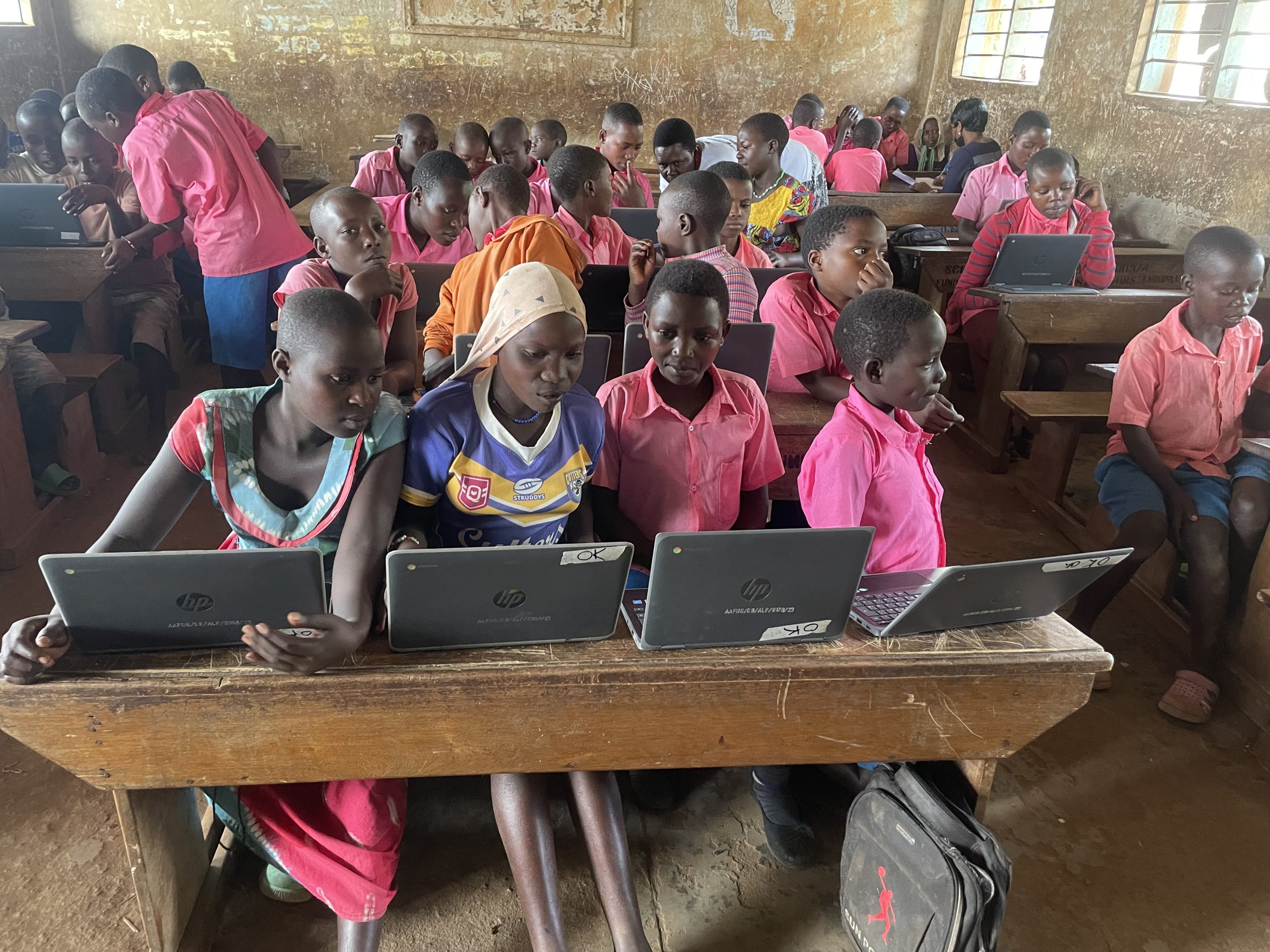
The Wezesha Vijana Program (WVP), meaning “Empowering Ourselves” in Swahili, is an innovative life skills program tailored to equip adolescent girls with the tools they need to overcome systemic challenges and lead transformational change in their communities. By focusing on education, leadership development, and rights-based empowerment, WVP creates a safe space for girls to take control of their futures while addressing cultural, social, and economic barriers head-on.
What is WVP?
WVP serves youths aged 11–14, a critical stage when many girls are at risk of dropping out of school due to early marriage, gender-based violence, or financial hardship. The program emphasizes active participation, where girls, with boy peers alongside them, are not passive beneficiaries but co-creators of solutions to the challenges they face.
Through 16 structured sessions, participants gain personal, human, and social assets. These include confidence-building, financial literacy, and critical awareness of their rights, along with mentorship and exposure to opportunities in STEM and other male-dominated fields.
Focus Areas

Life Skills
Sessions on goal setting, dream mapping, and self-confidence lay a strong foundation for personal growth.

Health and Rights Education
Lessons on puberty, hygiene, teen pregnancy, and HIV awareness empower girls to make informed decisions.

Leadership Development
Peer mentoring and opportunities to practice advocacy foster resilience and leadership potential.

Community Support
WVP actively engages boys as allies, parents as supporters, and educators as champions for change.
Addressing Gender Inequality in Tech
WVP goes beyond traditional education to challenge gender norms that exclude girls from fields like technology. By introducing girls to role models and mentorship in STEM, the program builds confidence and encourages them to pursue paths traditionally dominated by men. Alumnae of the program have gone on to break barriers, including starting leadership clubs, continuing their education, and inspiring others to do the same.
The program’s inclusive approach also incorporates boys, ensuring they become allies in breaking down gender stereotypes. In 2022, 90% of male participants stated they would advocate for their sisters’ rights, showcasing a shift in attitudes within communities.

Why Addressing Gender Inequality in Tech is a Global Imperative
Empowering women in tech generates profound societal benefits. When women gain access to the tech sector, they contribute to improved economic growth, stronger community development, and accelerated innovation.
The importance of addressing this issue is recognized globally. The United Nations has identified gender equality and quality education as foundational pillars for sustainable development. UN Sustainable Development Goal (SDG) 5 calls for gender equality, including eliminating discriminatory practices and ensuring women’s full participation in economic life. Similarly, SDG 4 emphasizes the need for inclusive, equitable quality education and lifelong learning opportunities for all. Initiatives like DEEP and WVP embody these goals, empowering women to gain the skills and confidence they need to excel in technology while fostering societal growth. By aligning with these international objectives, we contribute to a global movement toward a fairer, more inclusive digital economy.
The urgency to act cannot be overstated. Gender inequality in tech widens the digital divide and limits innovation at a time when technology shapes nearly every aspect of our world. By supporting initiatives like ours—whether through donations, advocacy, or sharing these stories—you can help dismantle barriers, inspire future generations, and create a tech industry where everyone has the opportunity to succeed.
Let’s work together to ensure that no talent is left untapped and no dream is left unrealized.
Rose’s Story of Resilience and Empowerment
Rose Ochieng’s journey reflects the incredible potential within every young woman given the right tools and support. When financial struggles during the COVID-19 pandemic derailed her dream of becoming a teacher, Rose joined our DEEP program as a volunteer apprentice while working as a janitor. Recognizing her dedication and talent, we enrolled her as a full-time apprentice. Through the program, she earned globally recognized IT certifications, gained experience in education technology, and even completed her Bachelor of Education Arts degree through online study. Today, she serves as the Head of Curriculum Development at an Education Technology company in Kenya. Reflecting on her success, Rose shared, “Thank you, Asante Africa Foundation, for empowering me to be a woman of substance.”
Rose’s story is proof that with education and opportunity, no dream is out of reach. You can help us create more stories like hers by supporting Asante Africa Foundation. Your donation, volunteer efforts, or even sharing our mission can open doors for countless women and girls, empowering them to break barriers and thrive in the tech industry.
Together, we can build a future where every young woman has the chance to rise and lead. Join us in making that vision a reality.