
International Day of the Girl 2026: Investing in Girls’ Leadership in East Africa
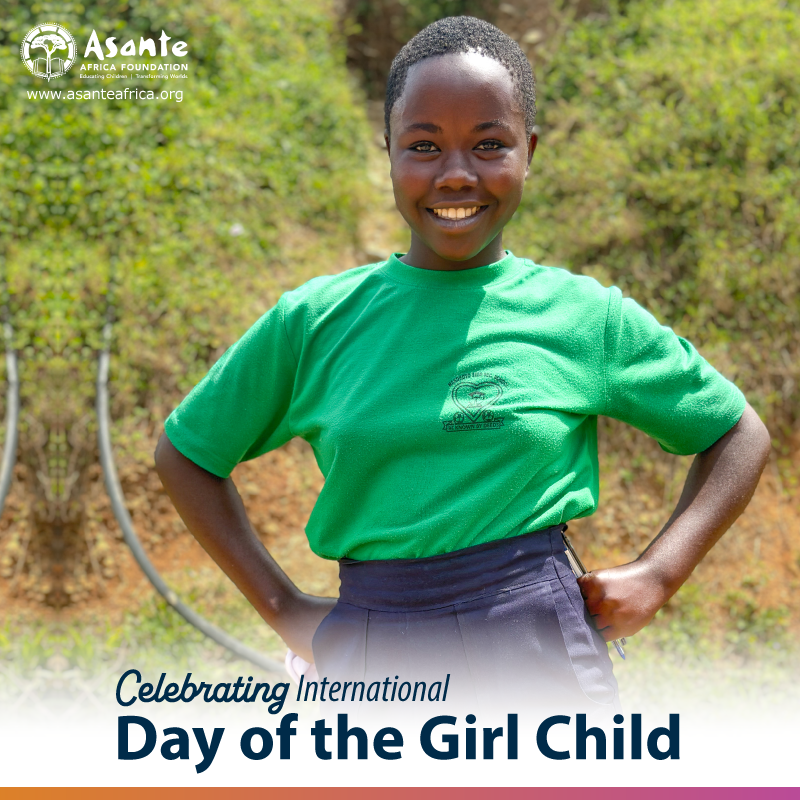 South Africa’s Archbishop Desmond Tutu famously once said, “If we are going to see real development in the world then our best investment is women!”
It’s with that thought in mind that we honor International Day of the Girl (October 11th), whose official theme this year – Ending child marriage and investing in girls’ rights – resonates deeply within the Asante Africa community.
Per the United Nations, each year, more than 12 million girls are married before reaching adulthood, with the highest prevalence in sub-Saharan Africa. Uganda, Kenya and Tanzania are the countries in which we seek to empower rural communities, youth – and especially girls.
Through a variety of gender equality and equity-based programs, Asante Africa Foundation seeks to provide to rural East African girls:
- Educational access and resources
- A foundation of cultural and health understanding
- Digital literacy
- Merit-based scholarships
- Multi-faceted training and business skill building
The best way to spread knowledge, skill building and support is by empowering children with a Learn-Do-Teach approach, so they can learn, build confidence by doing, and in turn, help their peers and communities by uplifting those around them.
Focal points for day of the girl child
Two stories highlighted by exemplary East African girls and young women demonstrate how different kinds of investments pay off in stronger leaders (and communities).
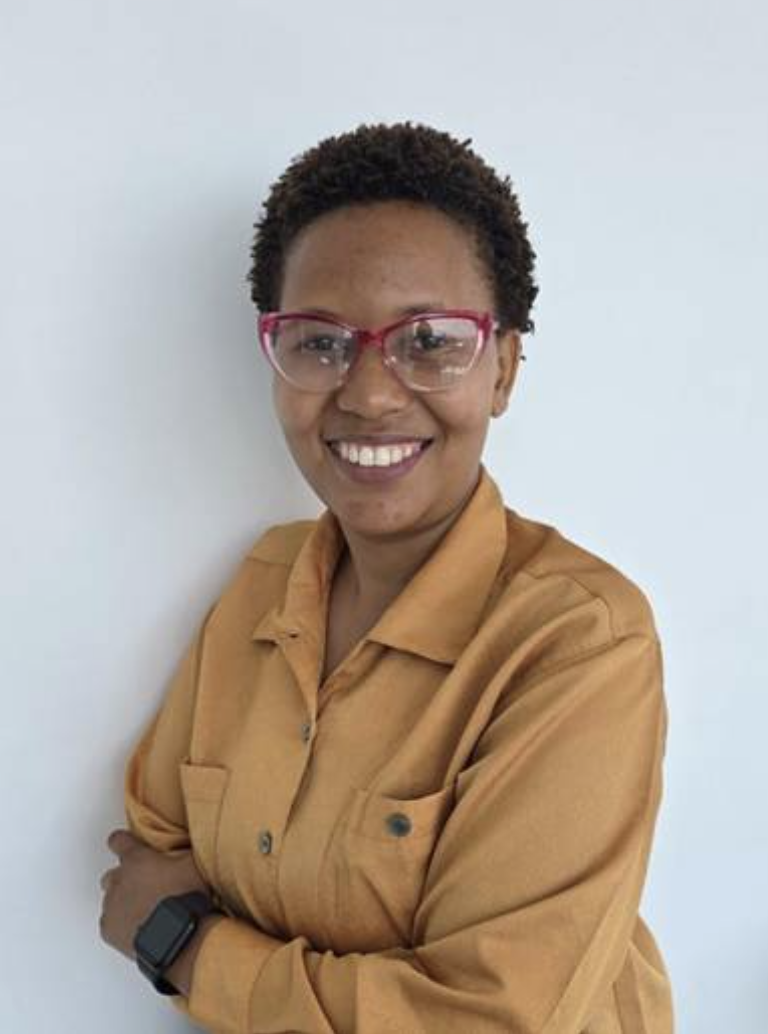 Like many youth in rural East Africa, Stella lacked the resources needed to accomplish her dreams. Two of those dreams were to earn a scholarship and travel outside Tanzania. But as a teenager, she joined Asante Africa Foundation’s Youth Livelihood Program (YLP).
The skills and confidence Stella gained in the program were instrumental in her being asked to attend a larger YLP Summit in Kenya. Just like that, she accomplished one of her dreams. But it was the scholarship she earned (as a result of an essay about her first trip outside Tanzania) that funded her university studies and A-level education.
Now Stella is the founder of her own organization focused on mental health awareness. And there’s more behind her incredible story; it involves tracing her every professional milestone back to the direct investments made in girls’ education, health, safety, and leadership.
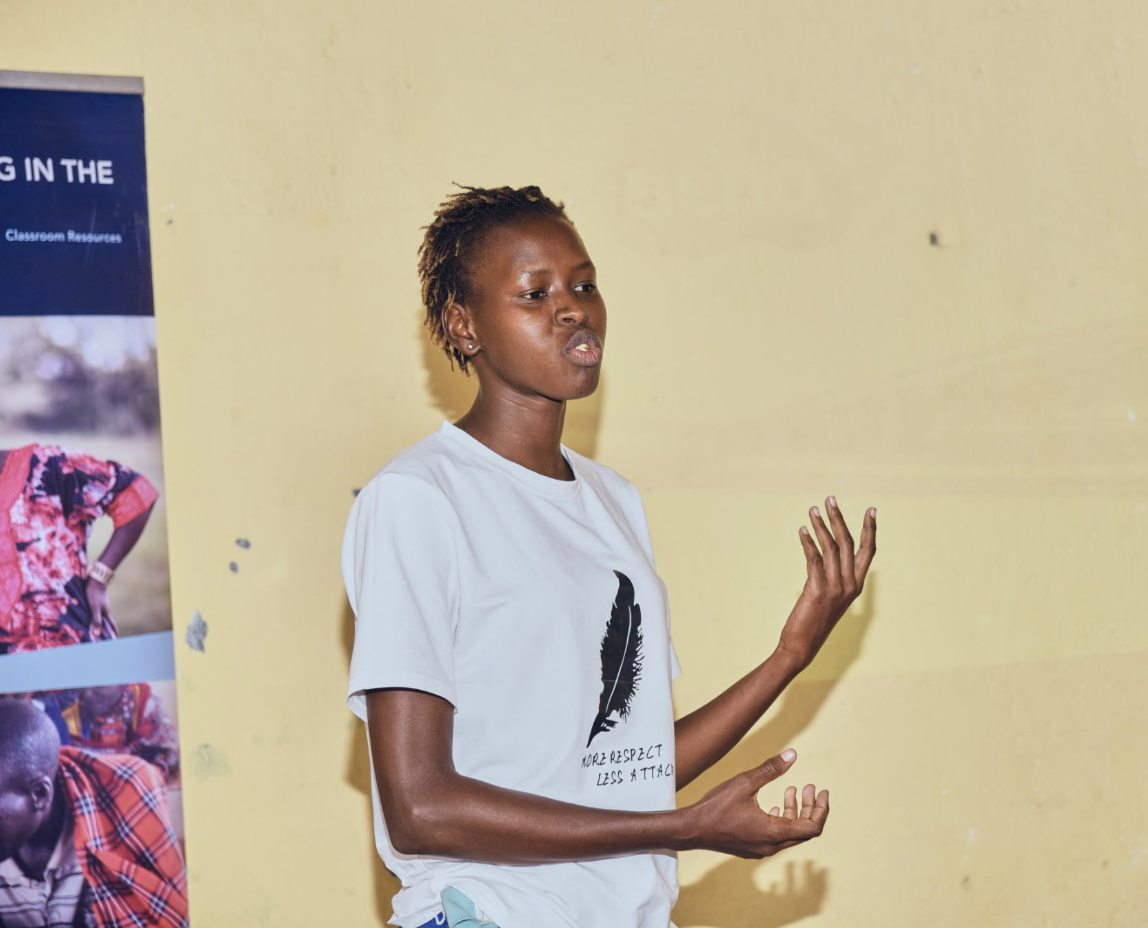 For Valentine, applying to DEEP (Digital Employability and Entrepreneurship Program) – our 12-month hybrid program equipping rural East African young adults with digital, career, and business skills – led to an amazing life change. She came upon DEEP via two partner organizations aimed at uplifting young women.
With a long held desire to become an accountant, and a driving ambition to disprove those who doubted she would amount to anything other than a single mother, she built an impressive web-based administrative platform for schools, written in Python and Flask.
It turns out Valentine’s management system was built to serve schools just like the ones in her community. Her accomplishments personify how supporting girl-led networks help them take control and define their own futures.
***
One area which should not be ignored is keeping young girls out of early marriages. Many resilient East African girls have fought to sidestep the cultural pressures of early marriage in favor of their education. The ongoing fight to end child marriage is a basic right Asante Africa strongly believes in.
International Day of the Girl: How to get involved
There are several ways to show your support for girls on, before or after October 11th this year (and they’re not all donation-based). Here are a few key ways you can help uplift girls
Let a girl know you care
Often the simplest approach is the easiest. Just lend a word of support to any of the girls or young women you know. Give thanks to your daughter, nieces, and/or sisters and let them know how they enrich your life.
Encourage the girls in your community to follow their dreams. Stand up to misogyny, harassment and violence, and congratulate young women who are doing what they can to succeed.
Invest in girls (and women)
Echoed by Archbishop Tutu, and in tune with the Day of the Girl Child theme in 2026, by investing in girls’ rights you invest in girls’ future. We can be talking about empowering children with the school fees, supplies and resources they need, or entrepreneurial leaders (like Stella) who need help taking their business (or skills) to the next level.
Direct investment in East Africa’s girls helps change the world for the better. Help support by donating to Asante Africa.
Use your influence
You’d be surprised how far a letter, or email, to elected officials can go. Endorse existing legislation that helps girls get an education and stay in school. Support non-profits that work to enhance and better the lives of girls around the world (particularly in sub-Saharan Africa).
As an example, access to clean water allows girls to focus on their education instead of having to mind household chores for the home. Basic necessities, such as health care, dental care, and reproductive education, give girls more opportunities in third-world countries.
WRITTEN BY: Christopher Bass
FAQ’s
What is International Day of the Girl and why is it important?
International Day of the Girl is observed annually on October 11 to recognize girls’ rights, challenges, achievements, and potential. The day highlights the importance of investing in girls’ education, safety, health, leadership, and economic opportunities so girls can shape their own futures and contribute to stronger communities.
What is the 2026 theme for International Day of the Girl?
The 2026 International Day of the Girl theme focuses on ending child marriage and investing in girls’ rights. The theme draws attention to the millions of girls affected by child marriage and the importance of ensuring girls can stay in school, make decisions about their futures, and have the opportunity to reach their full potential.
Why is investing in girls’ education important in East Africa?
Investing in girls’ education in East Africa can create opportunities that extend far beyond the classroom. Education can help girls develop confidence, leadership skills, digital literacy, and economic opportunities while strengthening families and communities. Keeping girls in school also plays an important role in reducing vulnerability to early marriage and other barriers to their futures.
How can we support girls’ rights and leadership in East Africa?
There are many ways to support girls’ rights and leadership, including advocating for girls’ education, speaking out against child marriage and gender-based violence, mentoring girls and young women, supporting organizations working in rural communities, and investing in programs that provide education, digital skills, scholarships, leadership development, and economic opportunities.
How does Asante Africa Foundation empower girls in East Africa?
Asante Africa Foundation empowers girls and young women in rural Kenya, Tanzania, and Uganda through programs focused on education, scholarships, digital literacy, health and life skills, leadership, entrepreneurship, and economic opportunity. Through its Learn-Do-Teach approach, Asante Africa supports young people to build skills and confidence, apply what they learn, and share their knowledge with others in their communities.
