
Three Pigs, Two Chickens, and a Plan
 It started with UGX 200,000 and a decision most people their age would not have made.
The money belonged to a group of students who had been putting aside whatever they could spare, a little at a time, into a pot they held together. There was nothing stopping them from splitting it and walking away with a share each. That is usually what happens to money that small. Instead, they sat down and asked a different question: what could this become?
Their answer was two local-breed chickens and one piglet.
It was not a glamorous investment. It was a practical one, and it was theirs – chosen together, paid for together, and from that day on, cared for together. The group organised feeding, watched over the animals, and made decisions as a unit about what to do with anything the enterprise produced.
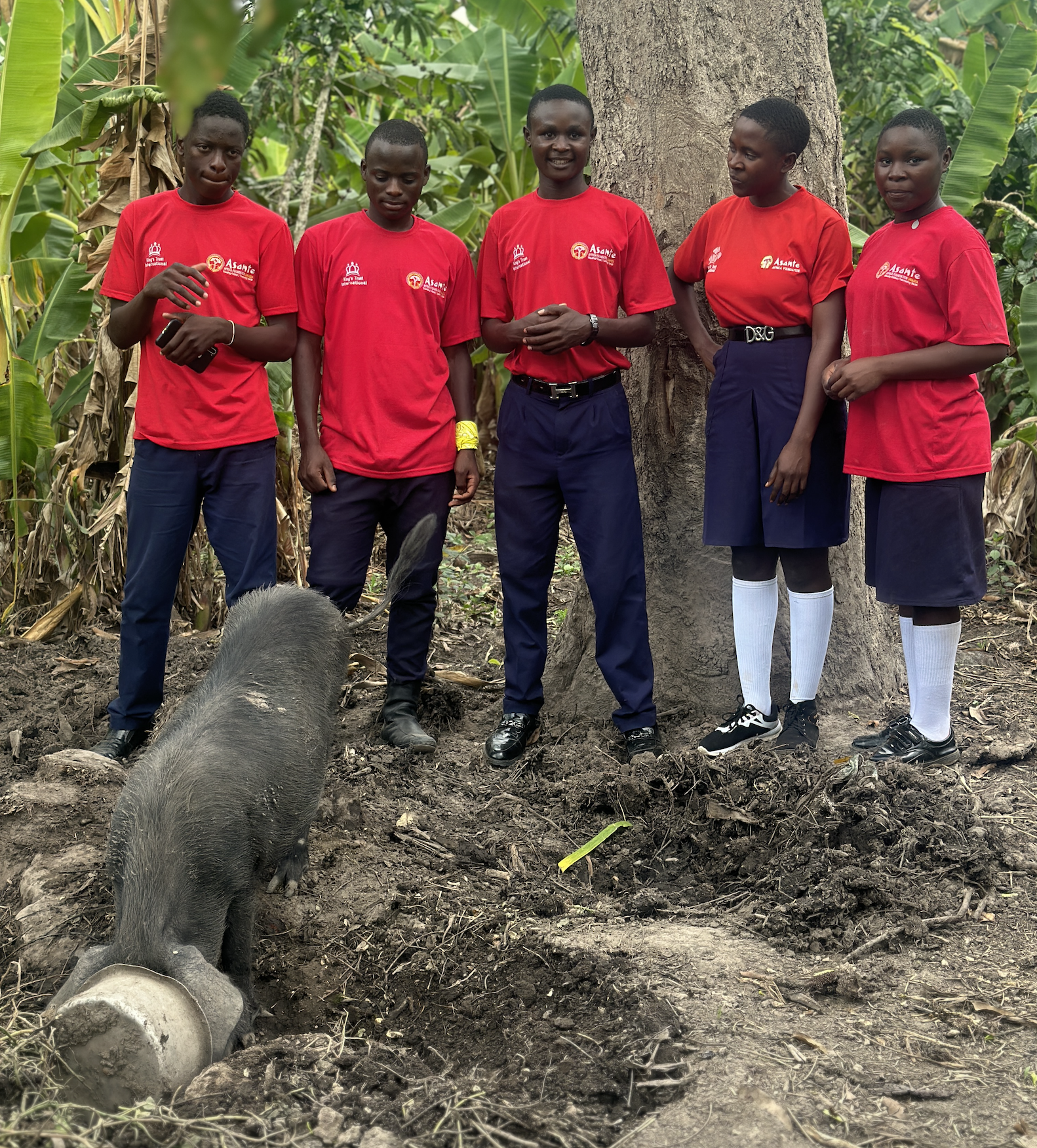
The piglet grew into a mature sow and farrowed, adding a piglet to the group’s assets. The chickens multiplied, and the income they generated went straight back into the enterprise rather than into anybody’s pocket. With those proceeds, the alumni bought a male pig.
Today, the group owns three pigs.
That arithmetic matters: three pigs from UGX 200,000 is a real return on a real asset base – but the more significant growth is harder to photograph. These young people have now negotiated, budgeted, disagreed, reached consensus, and reinvested. They have learnt what it feels like to hold money and choose the long view. They have run something.
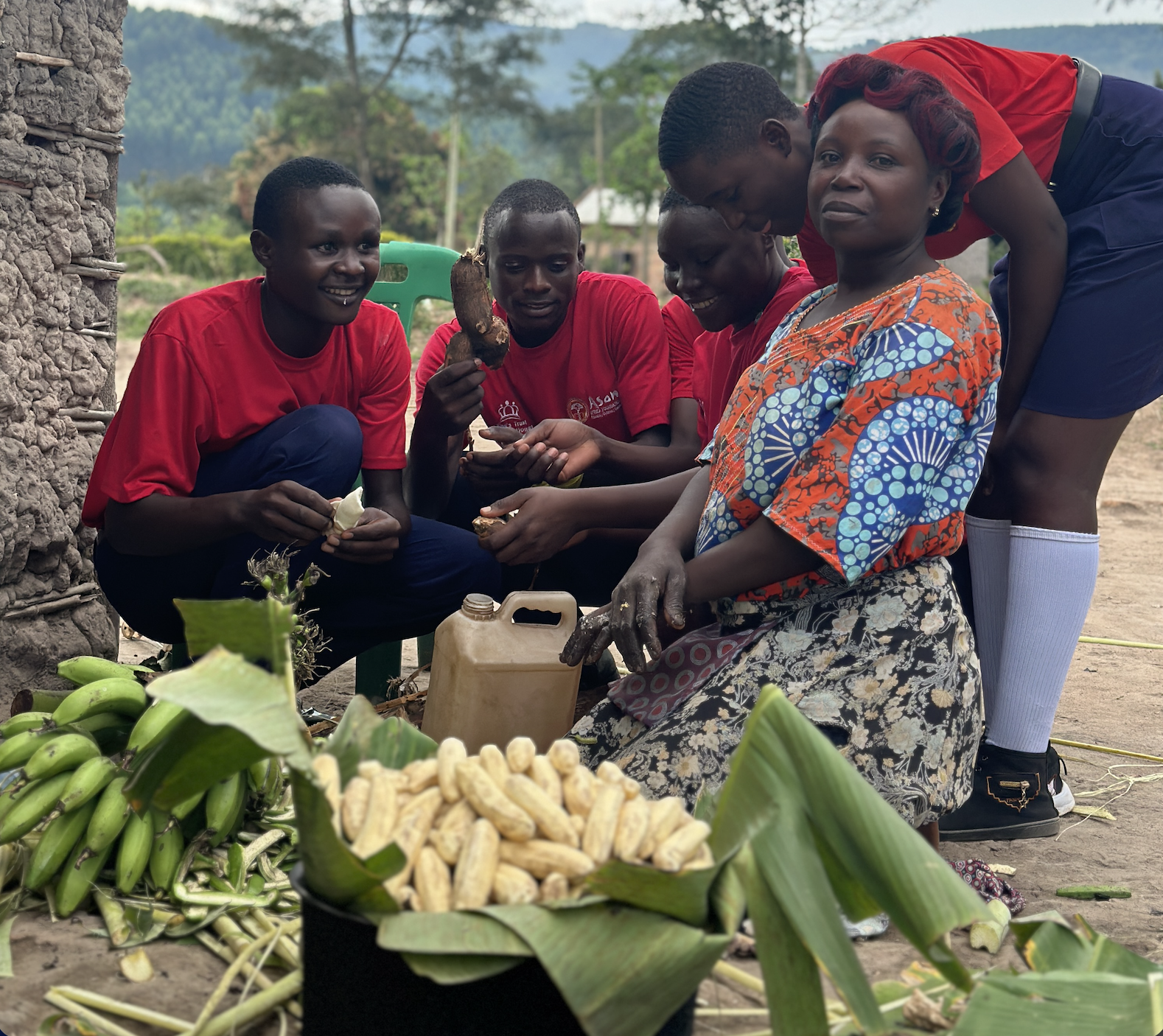 The Youth Livelihood Program and the Enterprise Challenge gave them a first grounding in saving, teamwork, and financial management. What they did with it afterwards, without a classroom, a facilitator, or a timetable, is entirely their own work. That is the part worth paying attention to. Skills are only a beginning; what young people build once nobody is watching is the measure of whether those skills took root.
Ask the group what comes next and the ambition is not modest. Livestock reproduces. Assets compound. A herd that started with one piglet has a way of becoming a business – and the group already knows how to run one.
The impact: At Makokoto Seed Secondary School, a group of alumni turned collective saving into a growing livestock enterprise, moving from entrepreneurship as a concept to entrepreneurship as a livelihood. Their story is a working example of what happens when young people are trusted with skills, and then trusted to use them.
