
The Fundamental Importance of Our Right to Education
At the Asante Africa Foundation, we believe that education is a fundamental human right, essential for the development of individuals and societies. It serves as a cornerstone for personal growth, economic prosperity, and social equality. Ensuring that every individual has access to quality education is not only a moral imperative but also a strategic necessity for sustainable development.
Empowerment Through Knowledge
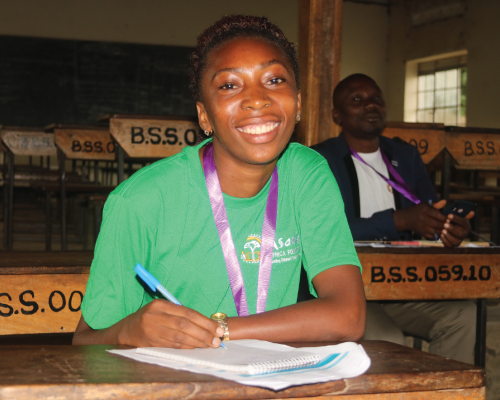
The right to education empowers individuals by providing them with the knowledge and skills necessary to navigate and contribute to the world effectively. An educated person is better equipped to make informed decisions, pursue meaningful employment, and engage in civic activities. This empowerment fosters self-reliance and confidence, enabling individuals to break free from cycles of poverty and dependence.

Economic Growth and Poverty Reduction
Education is a powerful tool for economic development. Countries that invest in education often experience accelerated economic growth. Educated individuals contribute to the economy through increased productivity and innovation. Moreover, education reduces poverty by enhancing employment opportunities and earning potential. As phrased by the University of the People, “Educated people break cycles of poverty by landing better-paying jobs.”
Promotion of Social Equality
Access to education is a critical factor in promoting social equality. It helps level the playing field by providing marginalized and disadvantaged groups with opportunities to improve their circumstances. Education fosters understanding and tolerance, reducing social disparities and combating discrimination.

Health and Well-being
Education has a profound impact on health and well-being. Educated individuals are more likely to make informed health choices, leading to improved personal and public health outcomes. Furthermore, education contributes to lower crime rates, as individuals with better education and job prospects are less likely to engage in criminal activities.
Education Equality Organizations Making a Difference
Numerous organizations, including ours, are dedicated to promoting education equality, striving to ensure that all individuals, regardless of their background, have access to quality education. Together, we are legion — more powerful and impactful. Here are some organizations doing the work.
The Education Trust
The Education Trust is committed to advancing policies and practices to dismantle the racial and economic barriers embedded in the American education system. Through research and advocacy, they aim to improve equity in education from preschool through college, engaging diverse communities dedicated to education equity and justice.
National Equity Project
The National Equity Project envisions a future where every young person, in every community, has what they need to learn, contribute, and thrive. They develop leaders who can navigate and transform educational systems to make this vision possible, focusing on delivering the promise of a quality education.
Alliance for Excellent Education (All4Ed)
All4Ed is a national nonprofit advocacy organization committed to expanding equitable educational opportunities for students of color, students from low-income families, and other marginalized groups. They advocate for policies and practices that ensure all students graduate from high school prepared to complete postsecondary education and achieve success in a rapidly changing world.
The Asante Africa Foundation
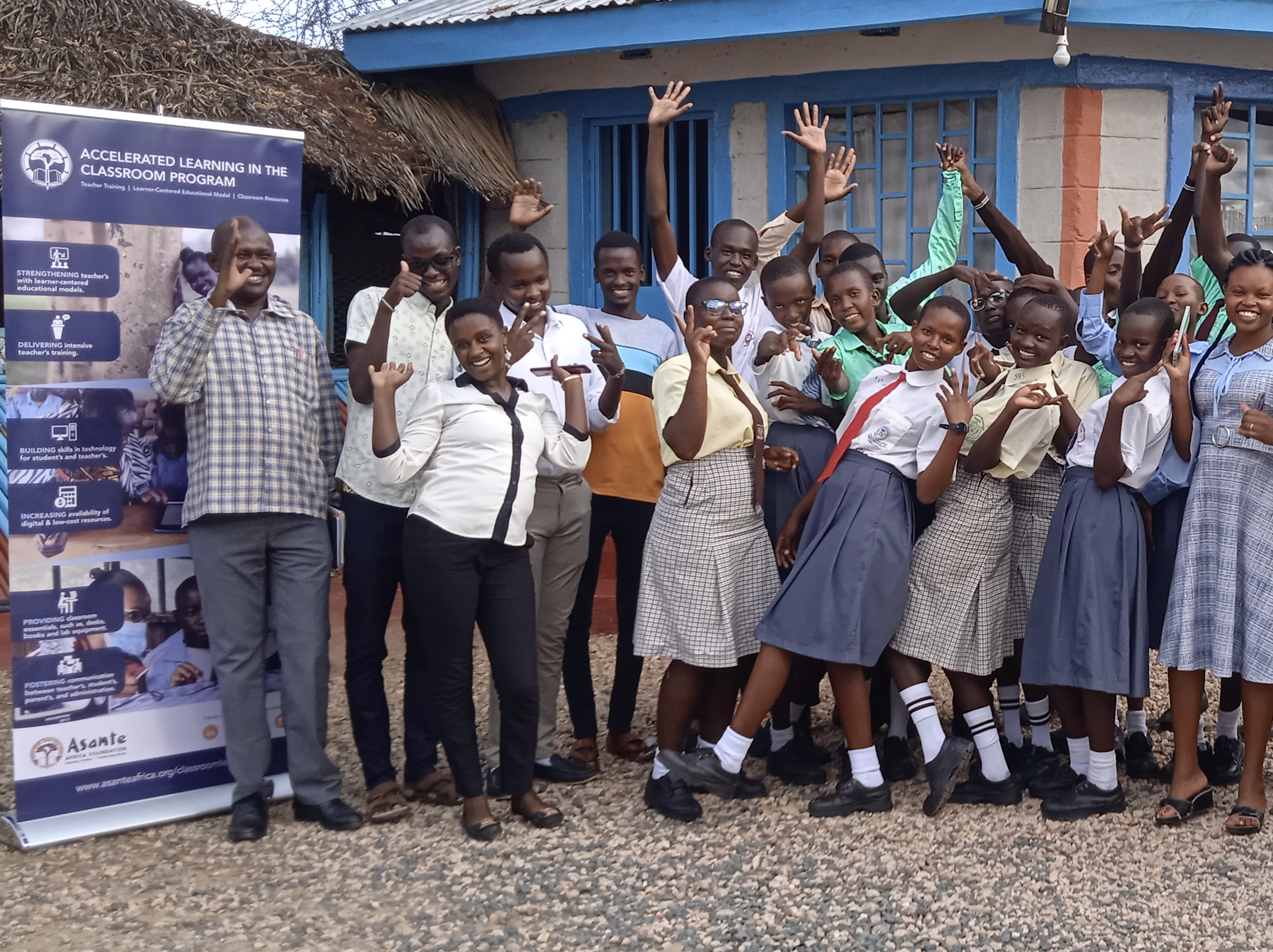
At the Asante Africa Foundation, we empower East Africa’s youth to confidently address life’s challenges, thrive in the global economy, and catalyze positive change. Our programs provide education, skills, and opportunities, focusing on areas such as youth livelihoods, girls’ advancement, and accelerated learning.
The Youth Livelihood Program (YLP) is designed to equip young people with the skills necessary for successful futures. Recognizing that 56% of youth in East Africa are unemployed and over 70% subsist on less than $2 a day, YLP addresses these challenges through a structured three-phase approach:
Additionally, the Digital Employability and Entrepreneurship Program (DEEP) initiative offers out-of-school youth intensive training in digital skills, software development, and project management. Collaborations with industry leaders provide participants with globally recognized certifications, enhancing their employability in the digital economy.

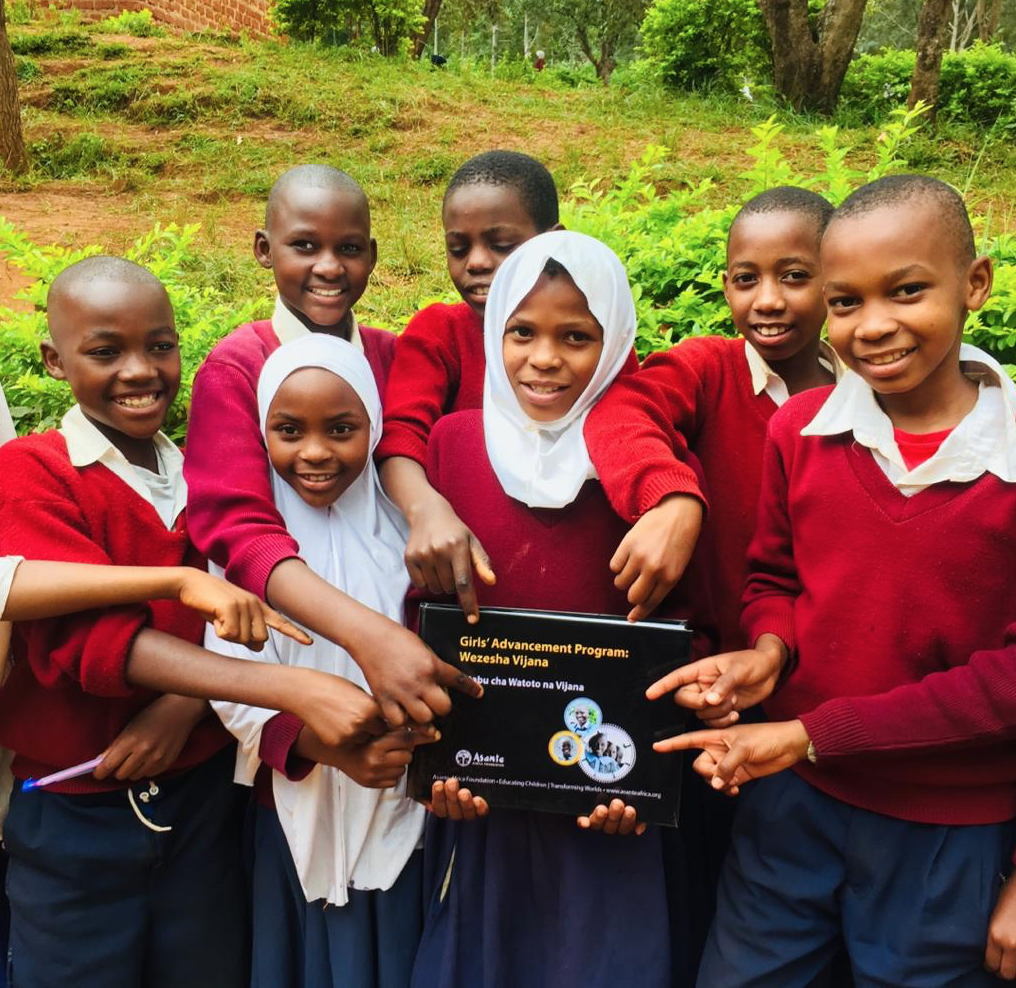
The Wezesha Vijana Program (WVP), meaning “Empowering Ourselves” in Swahili, is a multifaceted life skills program aimed at adolescent girls and young women. In regions where 37% of young women marry before 18 and 16.7 million girls are out of school, WVP addresses these critical issues through:
- Personal Assets Development: Sessions focus on dream mapping, goal setting, and confidence building, enabling girls to envision and strive for brighter futures.
- Human Assets Education: Participants receive education on puberty, hygiene, children’s rights, gender-based violence, and HIV awareness. This knowledge empowers them to make informed decisions about their health and rights.
- Social Assets Building: The program fosters networking, financial literacy, and support-seeking behaviors. By including boys as 33% of the participants, WVP promotes peer support and challenges societal norms, creating allies in the fight against gender inequality.
Community support, parental engagement, and peer mentoring are integral components, ensuring a holistic approach to empowerment. Graduates of WVP have gone on to lead community projects, advocate for girls’ education, and break free from cycles of early marriage and poverty.
The Accelerated Learning Program (ALP) aims to enhance classroom learning by integrating hands-on training, digital tools, and localized resources. In areas where educational resources are scarce, ALP focuses on:
- Teacher Training: Educators receive training in interactive teaching methodologies, enabling them to create engaging and effective learning environments.
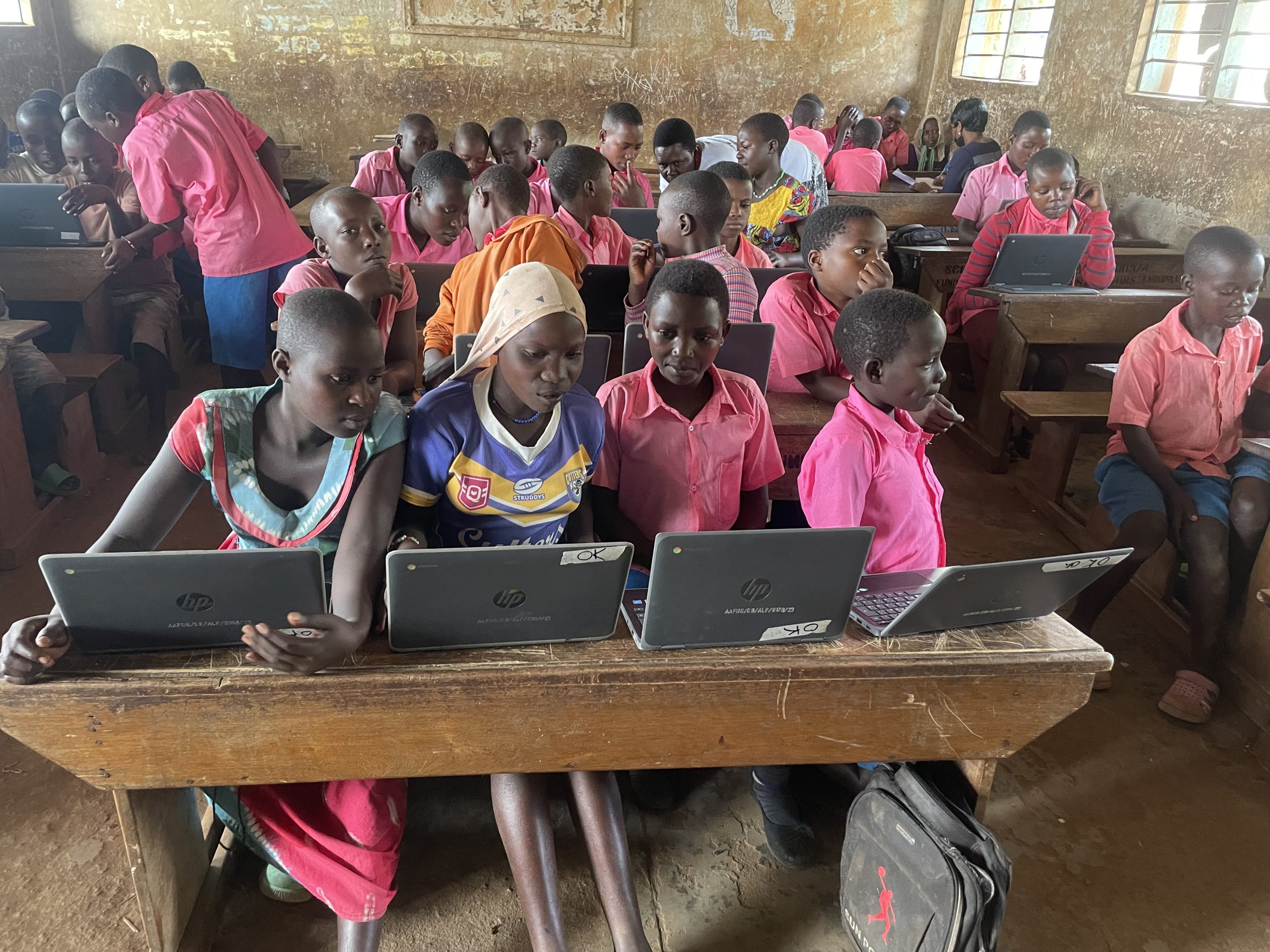
- Digital Literacy: Students and teachers are introduced to digital tools that complement traditional learning, bridging the technology gap prevalent in rural schools.
- Localized Curriculum Development: The program collaborates with local education authorities to develop curricula that are relevant to the community’s context, making education more applicable and impactful.
Through ALP, schools have reported improved student engagement, higher retention rates, and better academic performance. The program’s success is evident in stories like that of a rural school in Tanzania, where the introduction of digital tools and teacher training led to a significant increase in national exam pass rates.
By contributing through donation matches or IRA charitable donations, you directly support these programs, enabling us to reach more youth and create lasting change. Your investment in education fosters self-reliance, economic growth, and community development across the regions we serve.

Challenges to Education Equality
Despite the efforts of these organizations, significant challenges to education equality persist. Barriers such as socioeconomic disparities, discrimination, and inadequate resources continue to hinder access to quality education for many individuals. Addressing these challenges requires comprehensive policies, community engagement, and sustained advocacy to create an inclusive and equitable education system.
Conclusion
The right to education is a fundamental human right that serves as a catalyst for personal and societal development. Ensuring education equality is essential for empowering individuals, fostering economic growth, and promoting social justice. Organizations dedicated to this cause play a vital role in addressing educational disparities and advocating for systemic change. Collectively, these efforts contribute to a more equitable and prosperous society where everyone has the opportunity to reach their full potential.
How You Can Support the Asante Africa Foundation
We offer various ways for you to get involved and make a meaningful impact:
Volunteer Opportunities
Contribute your skills and time by participating in events, fundraising, or administrative support. Explore current volunteer positions on our Opportunities page.
Donations
Financial contributions directly support programs that empower East African youth through education and skills development. Make a donation through our Donate page.
Stay Informed
Sign up for updates to receive the latest news and information about our initiatives and events. Join our community by subscribing to our Sign up for Updates page. Your involvement can help transform lives and communities in East Africa.
