
The Girl Who Turned Digital Skills Into a Dream
Fahimah’s journey from “I want to be rich” to creating opportunities for young people in Kassanda, Uganda
When Fahimah was asked what she wanted to become, she had a simple answer:
“I want to be rich.”
She had ambition. She had determination. But she didn’t yet have a plan.
Today, the young woman from Kassanda, Uganda, has a university degree, a growing coffee enterprise, experience in digital technology, a job supporting students with computer skills, and a vision for an internet café that could give young people in her community access to technology and opportunity.
The difference was not simply a change in her dream. It was learning how to turn a dream into a plan—and a plan into action.
Growing up with limited opportunities
Fahimah grew up in a large polygamous family of around 20 children. She was the second-born of her mother’s five children, and she saw firsthand how difficult it could be to build a future when resources were limited.
Her mother had left formal employment to care for her family before turning to farming to rebuild her financial independence. Watching her mother create something of her own left an impression on Fahimah. She learned that independence could be built—one decision, one investment, and one step at a time.
But after completing Senior Six, Fahimah still wasn’t sure where her own path would lead. Then she discovered Asante Africa Foundation’s Digital Employability and Entrepreneurship Program (DEEP).
From “I want money” to “I have a plan”
When Fahimah joined DEEP, she had very limited computer skills.
The programme gave her more than technical training. She learned digital skills, entrepreneurship, leadership, communication, financial literacy, and how to identify problems in her community that could become opportunities.
For the first time, Fahimah began connecting her ambition to a practical future. She started thinking about what Kassanda needed—and how she could be part of providing it.
One idea stood out: an internet café where young people could access technology, develop digital skills, and discover new opportunities.
It was a big dream. But instead of letting its size stop her, Fahimah remembered something she had learned through Asante Africa: break a big goal into smaller, achievable steps. And that is exactly what she did.
Her first student was her mother
Fahimah’s digital transformation soon reached beyond the classroom.
At first, her mother questioned why a girl needed to spend time using computers and digital technology. Fahimah chose not to argue. Instead, she showed her. She introduced her mother to shopping applications on her phone and taught her how to use them. Slowly, her mother became comfortable with the technology.
Then she began showing her friends. Some eventually bought smartphones so they could order household and farming supplies online.
The girl who had once been the learner was becoming a teacher. And Fahimah was beginning to see the wider power of digital skills—not just to improve her own future, but to open doors for others.
Turning small steps into something of her own
Fahimah returned to Asante Africa as a volunteer youth mentor for the Enterprise Challenge, building on the skills she had gained through DEEP and the Youth Livelihood Program.
Her stipend grew from 50,000 to 200,000 Ugandan shillings, giving her something she had not had before: a foundation from which to start building.
Then came another opportunity.
When land became available, Fahimah could not afford the full purchase. So she made a deal with her mother. Her mother would purchase the land and sell Fahimah a 100-by-50 portion, which Fahimah would repay over time. The agreement came with a strict condition: she had to repay three million Ugandan shillings on schedule. Every month, her mother checked on the payment. It was stressful. But Fahimah kept going. Eventually, she paid the debt in full.
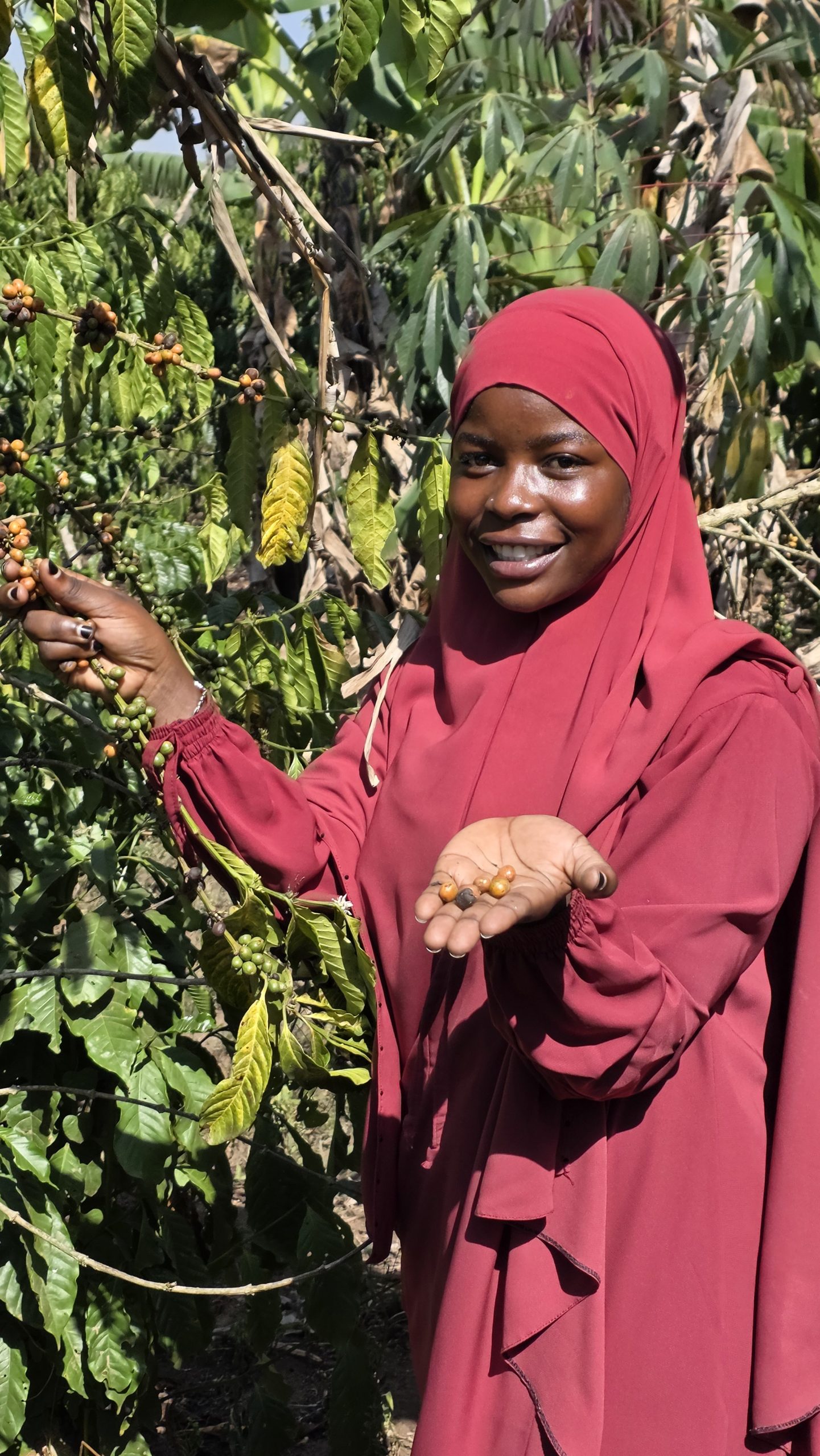
The land already had mature coffee trees, and Fahimah planted more. The coffee enterprise generated enough income to recover the three million shillings she had invested. Her big dream had started with a smaller one: owning a piece of land and making it productive.
 Skills opened another door
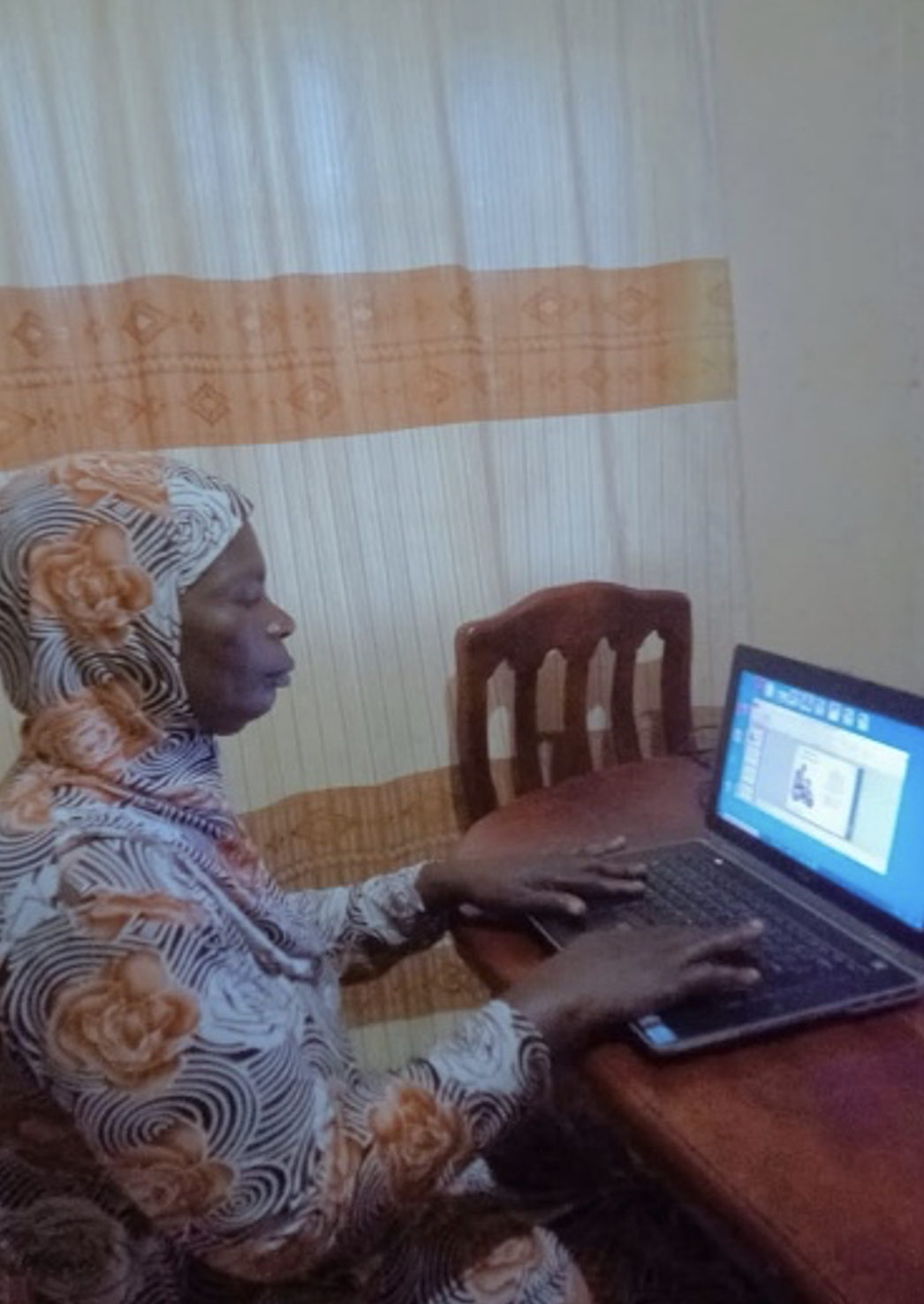
Fahimah didn’t put her education on hold while building her livelihood. In 2024, she graduated with a degree in Public Administration. Her digital skills also opened a professional opportunity at Kassanda Secondary School, where she provides computer and secretarial support and guides students in developing their own skills.
The young woman who once had little experience with computers is now someone people turn to when they need help with technology. But perhaps the most important change is what she does with what she has learned.
Building a dream that belongs to her community
Fahimah still wants her internet café. But now, the vision is bigger than a business. She imagines a space where students, entrepreneurs, young people, and working professionals can access reliable internet and digital services. She wants it to become an incubation hub where young people can learn digital skills, explore ideas, develop businesses, and find productive ways to use their time. And she wants the youth programme to be free.
Her vision is to have businesses and paying customers help sustain the café, while young people can access digital skills without having to pay.
Why? Because Fahimah remembers what it meant to receive an opportunity when she could not have afforded it herself. She wants to pass that opportunity forward.
 A girl from Kassanda becoming a role model
Today, Fahimah is known in her community as someone who understands technology. When people have problems with computers or digital devices, they know whom to call.
For the young people she mentors, especially girls, Fahimah represents something even more powerful: someone who came from where they are and is building the future she once imagined.
She is a university graduate.
A digital professional.
A youth mentor.
A farmer and entrepreneur.
A young woman investing in her own future—and planning to create opportunities for others.
Her story challenges the idea that girls in rural communities should simply wait for opportunities to come to them. Fahimah is creating her own.
“I didn’t know what I wanted to become”
Fahimah describes Asante Africa as more than a workplace. She describes it as a home and a place of mentorship. She believes the organization found her at a time when she had ambition but did not yet know how to turn it into a future. DEEP gave her technical skills. Mentorship helped her recognize her potential. Practical opportunities gave her a chance to apply what she learned.
And Fahimah did the rest. She taught her mother. She mentored other young people. She saved and invested. She bought land. She built a coffee enterprise. She completed her degree. She found employment through her digital skills. And she continues working toward a business designed not only to support herself, but to create opportunities for others.
Her dream is no longer just about becoming rich
Fahimah once said she wanted to be rich. Today, her definition of success has changed.
She wants to build something of her own. She wants to be financially independent. She wants to use technology to create opportunity. And she wants other young people to have access to the kinds of skills and mentorship that changed her own path.
For International Day of the Girl, Fahimah’s story is a reminder of what can happen when a girl is given more than encouragement.
Give her skills, and she can build.
Give her mentorship, and she can lead.
Give her an opportunity, and she can create opportunities for others.
Fahimah’s dream started with a simple answer: “I want to be rich.”
Today, she has something much bigger. She has a plan—and she is building a future that can reach far beyond herself.
