How Can We Empower Women in Rural African Communities?
Empowering women in rural African communities is not just a moral imperative; it’s the key to unlocking sustainable development and societal progress. When women have the tools and resources they need, they become powerful changemakers, impacting their families, communities, and beyond.
However, numerous challenges stand in their way. Millions of African girls lack access to education, perpetuating cycles of poverty. Early marriage and limited access to basic services further restrict their potential.
So, the question remains: how can we empower women in these communities and break down these barriers?
This blog explores this crucial issue and introduces a promising solution – Asante Africa Foundation’s Wezesha Vijana Program (WVP). By providing a holistic approach that addresses social, economic, and health needs, WVP empowers young women as well as their male peers, fostering a more equitable future for all.

Understanding the Challenges
Gender-Based Violence
Gender-based violence (GBV) is a significant barrier to women’s empowerment in rural Africa. GBV includes physical, sexual, and emotional abuse, which profoundly affects women’s health, safety, and ability to participate in community life. According to the World Health Organization (WHO), about 1 in 3 women globally experience physical or sexual violence in their lifetime, with rates in some parts of sub-Saharan Africa even higher.
Addressing GBV is crucial for empowering youth for positive change, as it ensures women and girls can live without fear and pursue educational and economic opportunities.
Early Marriage
Early marriage is another critical issue, with 32% of girls in sub-Saharan Africa married before the age of 18. Early marriage often leads to early pregnancies, which can force girls to drop out of school and limit their future prospects. This cycle of early marriage and limited education perpetuates poverty and gender inequality. By reducing early marriages and keeping girls in school, we can significantly improve their chances for a better future.
Lack of Education
Education is a powerful tool for empowerment, yet 50 million girls in sub-Saharan Africa are out of school. Barriers to education include poverty, inadequate school facilities, long distances to schools, and cultural norms that prioritize boys’ education over girls’. Youth empowerment organizations play a vital role in addressing these barriers by providing scholarships, building schools, and creating supportive learning environments.
Limited Opportunities
Women in rural Africa often face limited economic opportunities. This is exacerbated by a lack of vocational training and access to financial resources. Programs focusing on economic empowerment, such as microloans and entrepreneurship training, can help women start businesses and gain financial independence.
Cultural and Societal Norms
Cultural and societal norms play a significant role in limiting women’s potential. Traditional gender roles often restrict women’s participation in education and the workforce. Changing these norms requires community engagement and education. Youth empowerment organizations are instrumental in this process, as they work to shift perceptions and encourage communities to value and support women’s contributions.
Ecological Model of Violence
Asante Africa’s 2019 “Empowering Boys to Advance Girls” report emphasizes the ecological model of violence, a framework that helps explain why some people are more likely to experience violence than others. The report examines the interplay between individual, relationship, community, and societal factors in perpetuating GBV, highlighting that interventions must address multiple levels to be effective.
For example, educating boys about gender equality and involving them as allies in the fight against GBV can create a supportive environment for girls. The report found that programs engaging boys in gender equality significantly reduced incidents of violence and improved attitudes towards women.
By understanding these challenges and what causes them, we can develop comprehensive strategies to empower women and foster positive change in rural African communities.
What is the Wezesha Vijana Program?
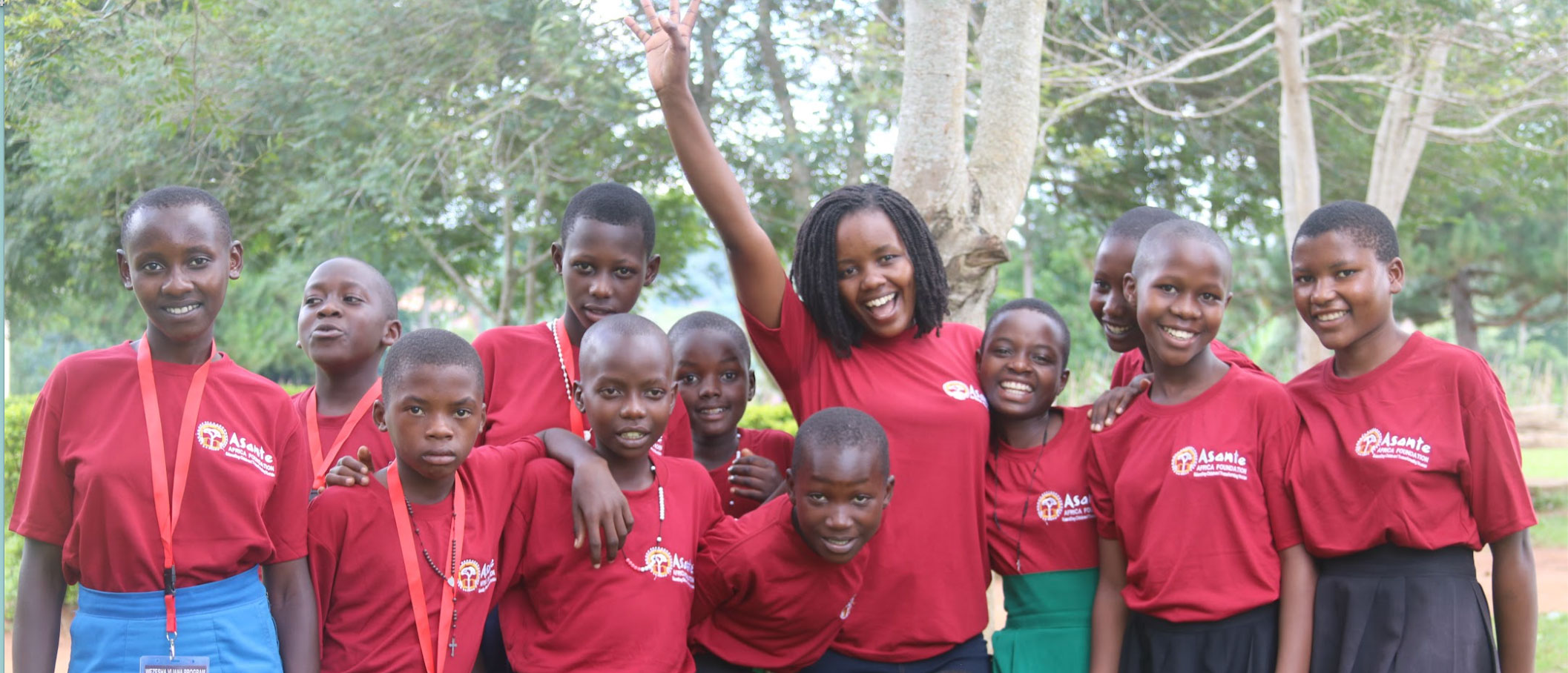
The Wezesha Vijana Program (WVP), meaning “Empowering Ourselves” in Swahili, is a dynamic initiative by the Asante Africa Foundation aimed at empowering youth for positive change in rural African communities. This program focuses on the holistic development of personal, social, economic, and health skills among young people, particularly adolescent girls and young women.
Key Features of the Program
Rights-Based and Human-Centered Design Approach
Personal, Social, Economic, and Health Skills Development
Personal Skills
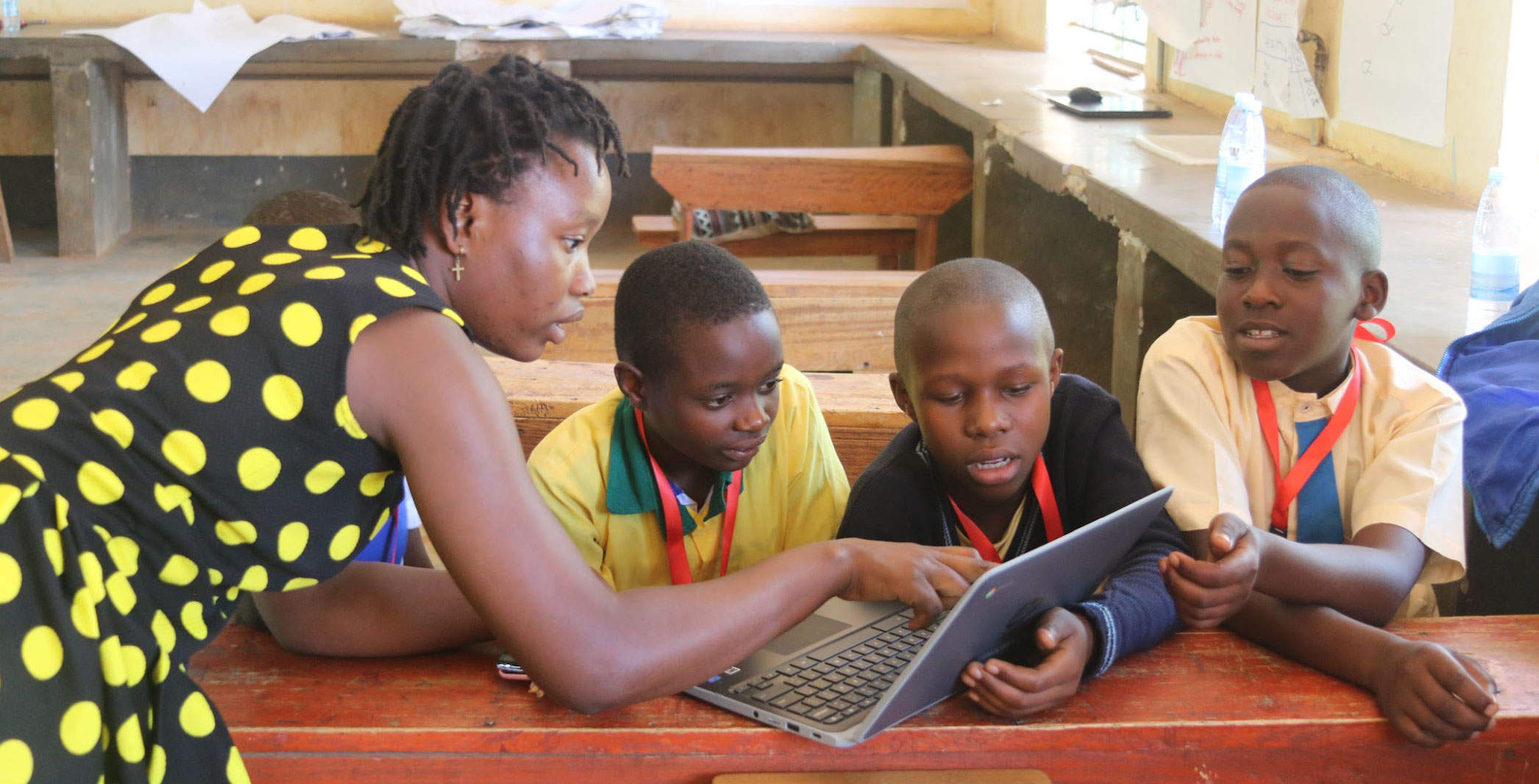
Activities such as dream mapping and goal setting help participants envision and plan for their futures. Confidence-building exercises are integral to developing self-assurance and leadership abilities.
Social Skills
Networking opportunities and sessions on seeking help and finding support create a robust social safety net for participants. Financial literacy education is also provided to help young women manage resources effectively.
Economic Skills
Through vocational training and entrepreneurship workshops, participants learn how to create and manage their own businesses, providing them with the tools needed for economic independence.
Health Skills
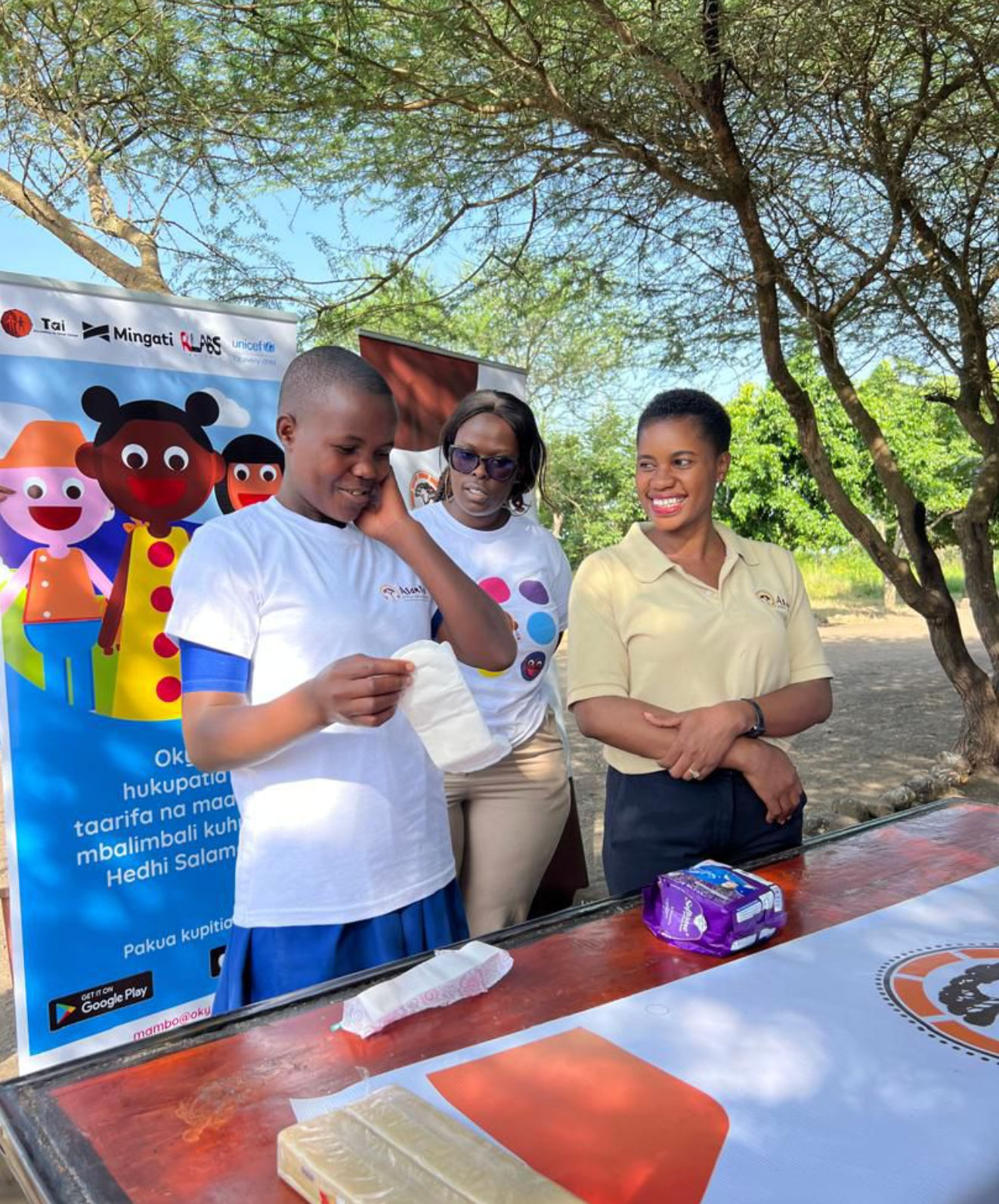
Education on puberty, hygiene, children’s rights, gender-based violence, teen pregnancy, and HIV awareness equips girls with the knowledge to make informed decisions about their health and well-being.
Active Participation of Adolescent Girls and Young Women
A unique aspect of the Wezesha Vijana Program is its emphasis on treating girls as active participants rather than passive beneficiaries. The program encourages girls to define their own needs and lead solutions to the issues affecting their lives. This participatory approach ensures the interventions are relevant and effective.
Inclusion of Boys as Peer Allies
To foster a supportive environment, the WVP includes boys as peer allies. Approximately 33% of the program’s participants are boys who learn about the challenges girls face and how to support them. This inclusion helps break down gender stereotypes and promote mutual respect and understanding, which we’ll explore more in the next section.
Impact on Empowering Women and Youth
By focusing on these comprehensive areas, the Wezesha Vijana Program addresses the question of how we can empower women effectively. It provides immediate support and education and builds a foundation for long-term empowerment and societal change. This holistic approach is crucial for empowering youth for positive change and creating resilient, inclusive communities.
Through its multifaceted approach, the Wezesha Vijana Program exemplifies how strategic initiatives foster positive change and empower young women in rural African communities.
Boy Inclusion: Why It’s So Important
The inclusion of boys in the Wezesha Vijana Program (WVP) is a strategic component designed to foster a supportive environment for gender empowerment. By involving boys as peer allies, the program addresses gender inequality from multiple angles and promotes mutual understanding and respect between genders.
Educating Boys on the Challenges Girls Face
One of the primary goals of including boys in the WVP is to educate them about the various challenges girls face. These include gender-based violence, early marriage, lack of education, and limited economic opportunities. Through the program, boys learn about these issues and how deeply they affect the lives of their female peers. This education helps boys develop empathy and a deeper understanding of the systemic barriers girls encounter.
Benefits of Including Boys as Allies in Gender Empowerment
- Breaking Down Stereotypes: Boys who are educated about gender equality are more likely to challenge and break down harmful gender stereotypes within their communities.
- Creating Supportive Environments: Boys who understand the importance of gender equality can actively support their sisters, classmates, and community members, creating a more supportive and inclusive environment for everyone.
- Promoting Positive Masculinity: The program encourages boys to adopt positive forms of masculinity that do not rely on dominance or control over women, fostering healthier relationships and communities.
Statistical Evidence of Success
Compelling statistical evidence supports the effectiveness of including boys in the Wezesha Vijana Program. In 2022, 90% of male participants in the program reported that they would stand up for their sisters in need, showcasing the program’s success in fostering supportive and proactive attitudes among boys. This high level of commitment demonstrates the positive impact of educating boys about gender equality and involving them as active allies in the fight against gender-based violence.
By understanding the importance of including boys in gender empowerment programs, we can develop more comprehensive and effective strategies for empowering youth for positive change in rural African communities. The Wezesha Vijana Program serves as a model for how youth empowerment organizations can create inclusive programs that benefit all members of the community.
How Can We Empower Women Effectively?
Empowering women is not just about addressing individual challenges; it has a broader impact on community prosperity. When women are empowered, they contribute more significantly to their families and communities, creating a ripple effect of positive change. This holistic approach to empowering youth for positive change is essential for fostering resilient, inclusive, and prosperous communities.
Asante Africa Foundation and its Wezesha Vijana Program serve as a model for how youth empowerment organizations can create inclusive programs that benefit all community members. By addressing the complex factors that hinder women’s potential and involving the entire community in the process, we can develop comprehensive strategies to empower women and foster positive change in rural African communities.
To support these impactful initiatives and help empower more young women, we encourage readers to get involved with Asante Africa Foundation. Your support can make a significant difference in the lives of young women and their communities. Together, we can work towards a more equitable and prosperous future for all.
Visit Asante Africa’s website to learn more about their programs and find out how you can contribute to empowering youth for positive change.