Navigating Gender Issues in Education: Challenges and Solutions
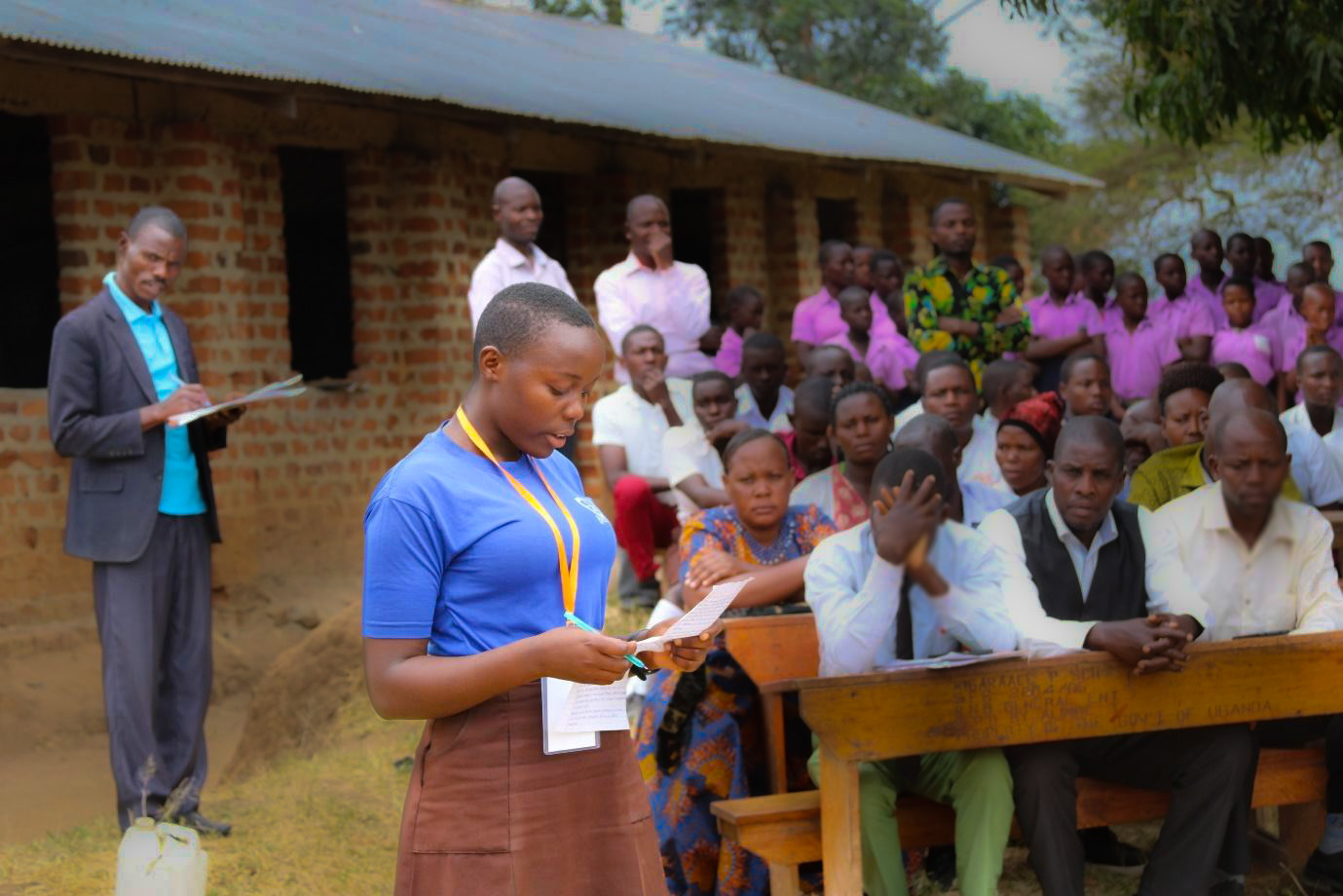
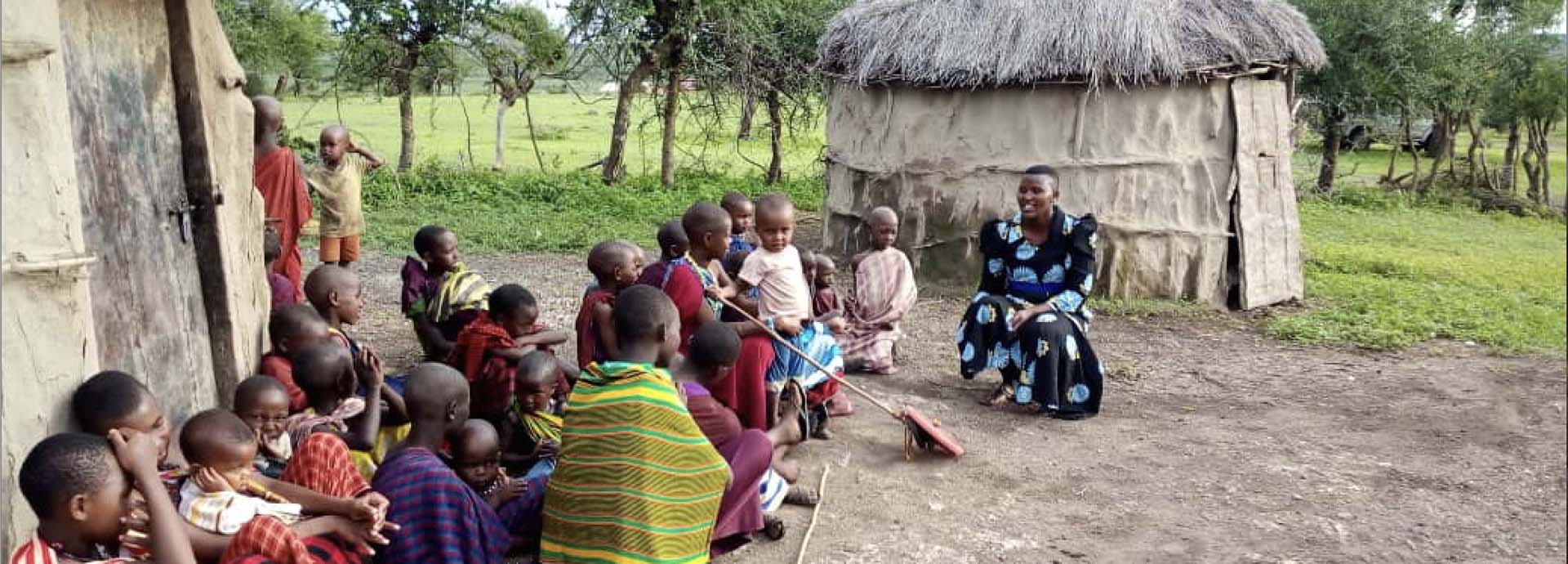
In the quest for global development, the role of education is undeniable. However, gender disparities within educational systems remain a critical barrier. At Asante Africa Foundation, we recognize the profound impact that addressing these disparities can have. This blog aims to delve into the gender-related challenges prevalent in education, especially in rural East Africa, and explore transformative solutions that can pave the way for more equitable learning environments for all.


Understanding Gender Issues in Education
Gender issues in education can manifest in multiple ways, including unequal access to educational opportunities, gender-specific biases in teaching materials and methods, and societal norms that dictate different roles and expectations for males and females in the educational context.
Historically, gender bias and stereotypes have deeply influenced educational systems worldwide. Traditionally, education was primarily accessible to boys, with girls often being relegated to roles that did not require formal education. Over time, although significant strides have been made to bridge this gap, remnants of these biases persist. Stereotypes, such as the belief that boys are naturally better at sciences while girls excel in humanities, have shaped curricular offerings and teaching methods, often to the detriment of both genders.
In contemporary settings, gender disparities in education manifest in several ways:
Access to Education
There remains a significant gap in access to education between genders, particularly in developing countries. Cultural norms and economic barriers often result in lower school enrollment and higher dropout rates among girls. For boys, societal expectations to contribute financially can lead to leaving school early.
Gender-Based Violence in Schools
This includes physical, psychological, and sexual harassment or abuse that occurs within educational environments. Such violence disproportionately affects girls and can significantly hinder their educational attainment and overall well-being.
Curriculum Bias
Educational content and teaching methods can sometimes perpetuate gender stereotypes. This bias not only reinforces outdated societal roles but also limits students’ potential by restricting their learning to gender-prescribed norms.
Addressing these issues is crucial for creating an equitable educational landscape where every individual, regardless of gender, can realize their full potential.
Asante Africa Foundation’s work in this area focuses on overcoming these barriers, providing inclusive educational opportunities, and fostering environments that support gender equality.
Strategies for Achieving Gender Equity in Education
Achieving gender equity in education requires a multi-faceted approach, involving policy interventions, curriculum development, teacher training, and community involvement. Each of these areas plays a vital role in creating an educational environment where all genders can thrive equally.
Policy Interventions
Governments and educational institutions have a crucial role in promoting gender equity through policy-making. This can include:
Enacting and Enforcing Legislation
Laws that mandate equal access to education for all genders and prohibit discrimination based on gender in educational settings.
Allocating Resources Equitably
Ensuring that educational resources and funding are distributed in a manner that supports gender equity.
Monitoring and Evaluation
Regularly assessing educational programs to ensure they are meeting gender equity goals and making necessary adjustments.
Curriculum Development
An inclusive curriculum is fundamental in addressing gender biases and stereotypes. This involves:
Incorporating Gender-Sensitive Materials
Developing teaching materials that represent both genders equitably and challenge traditional gender roles.
Diverse Role Models
Including stories and examples of successful individuals from all genders in various fields, particularly in areas where certain genders are traditionally underrepresented.
Comprehensive Sex Education
Providing age-appropriate education on gender and sexuality that is respectful of all identities and orientations.
Teacher Training
Educators play a key role in shaping students’ perceptions and attitudes. Effective teacher training should:
Raise Awareness about Gender Issues
Educate teachers on the various forms of gender bias and how these manifest in educational settings.
Inclusive Teaching Practices
Train teachers in methods that support all students, regardless of gender, and encourage participation and engagement from everyone.
Handling Gender-Based Violence
Equip teachers with the skills to identify and appropriately respond to instances of gender-based violence.
Community Involvement
The involvement of families and the wider community is essential in reinforcing the message of gender equity. This can include:
Community Education Programs
Informing communities about the importance of gender equity in education and its benefits.
Engaging Parents
Encouraging parents to support their children’s education irrespective of gender, including involvement in school activities and decision-making processes.
Creating Support Networks
Establishing community groups or networks that advocate for and support gender equity in local schools.
By combining these strategies, it’s possible to create an educational ecosystem that not only acknowledges gender differences but actively works to bridge the gap, ensuring that every student has the opportunity to reach their full potential.
Success Stories and Model Programs
Wezesha Vijana Program
This program focuses on empowering youth, especially girls, to take control of their futures. It includes components like community support, parental engagement, peer mentoring, and the active engagement of boys. The program has achieved notable success, with 90% of male participants in 2022 expressing willingness to stand up for their sisters in need. Additionally, 405 girls that participated in Asante Africa’s Wezesha Vijana Program graduated from secondary school in Kenya and Tanzania in 2021.
Women's Leadership Development Programs
These programs aim to develop young leaders who can positively change their communities. Many participants have assumed leadership roles at the county level, transforming East African societies. The programs emphasize that gender does not determine success and encourage girls to present themselves confidently.
Empowering Girls in STEM
Asante Africa is also actively involved in encouraging and assisting girls in STEM fields. They provide scholarships, create after-school clubs, equip schools with technology and tools, and ensure that teachers have the necessary resources to teach STEM subjects. Their efforts have resulted in many success stories, where girls have expressed increased interest and improved performance in science subjects, furthering their aspirations in fields like engineering and medicine.
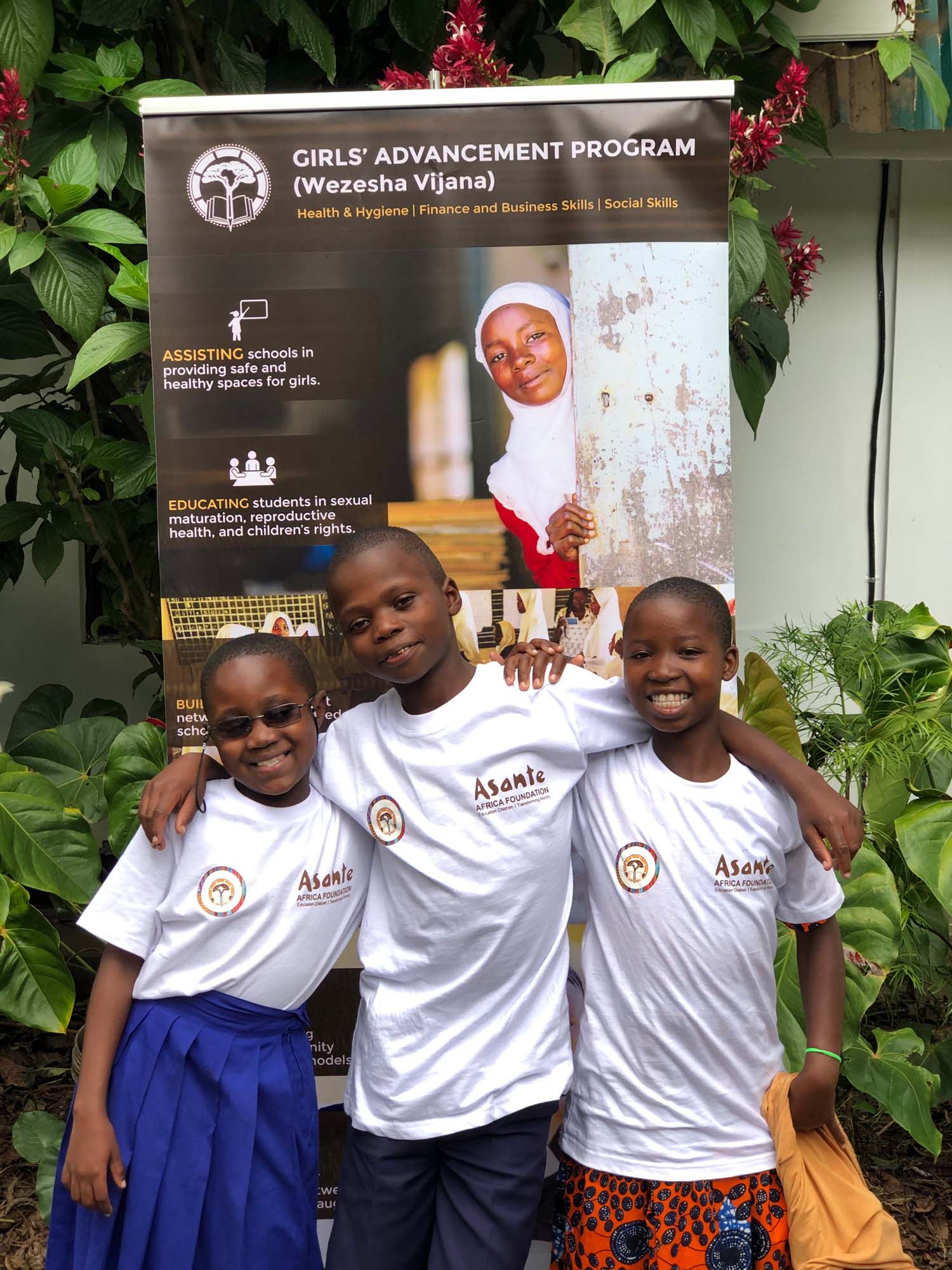
These programs and initiatives by Asante Africa Foundation highlight the importance of comprehensive strategies that include both boys and girls to promote gender equity in education. They have successfully demonstrated how educating and empowering girls can lead to substantial positive changes in communities, breaking down barriers and transforming lives.
How to Get Involved
Supporting gender equity in education is a collective effort that requires the involvement of individuals both locally and globally. Here are ways you can contribute to this cause:
Educate Yourself and Others
Support Organizations Working on Gender Equity
Many organizations, including Asante Africa Foundation, are dedicated to addressing gender disparities in education. You can support these organizations through donations, volunteering, or even by spreading the word about their work.
Support Asante Africa Foundation
Advocate for Policy Changes
Mentorship and Tutoring
Offer your time and skills to mentor or tutor students, especially girls who may not have access to role models in their desired career fields.
Join or Start a Campaign
Education is a fundamental right, and gender should not be a barrier to accessing it. By understanding the challenges and actively participating in solutions, we can contribute to creating a more equitable and inclusive educational landscape. Every action, no matter how small, counts towards building a world where every child has equal opportunities to learn and grow.
As we close, remember that your involvement, be it through supporting organizations, advocating for policy changes, or volunteering your time, can help drive the change towards gender equity in education. Let’s join hands in this vital mission and make a lasting difference for future generations.
To contribute directly to the cause of gender equity in education through Asante Africa, you can visit our donation page. Your support can make a significant difference in the lives of children in East Africa.