
The Complexity of Female Circumcision in Africa: Cultural Insights and Challenges
Female circumcision, also known as female genital mutilation (FGM), is a practice deeply embedded in the traditions of many African communities. It carries significant cultural weight, symbolizing rites of passage, readiness for marriage, and social acceptance. Yet, it is a practice mired in controversy due to the profound health risks and ethical concerns it poses. Global perspectives on FGM are varied and often conflict with international health organizations and human rights advocates campaigning against it, while many community members defend it as a cherished cultural tradition.
The role of education in these discussions cannot be overstated. Informed, sensitive dialogue that respects cultural nuances while addressing the potential harms of such practices is crucial. Through education, communities can explore alternatives that honor tradition without compromising the health and autonomy of their young women.
This blog will discuss the cultural foundations and challenges of female circumcision in Africa, focusing particularly on how it is woven into tradition in Tanzania and among the Turkana tribe of Kenya. By examining these specific contexts, we seek to understand not only the “why” behind the practice but also how communities are navigating the complex interplay of tradition and change.

Cultural Context and Significance
Tanzania Marriage Culture
In Tanzania, marriage is a union between individuals and a pivotal social institution deeply rooted in the community. Rituals include bride price negotiations, dowry payments, and traditional dances and can vary widely across the different tribes and ethnic groups in Tanzania.
Female circumcision, where practiced within these communities, is often intertwined with marriage rituals. It is viewed as a rite of passage that marks a girl’s transition into womanhood and readiness for marriage. This practice is believed to ensure purity and fidelity, which are highly valued. In communities where it is practiced, being circumcised can elevate a girl’s social status and increase her marriage prospects.
Turkana Tribes
The Turkana tribe, native to northwestern Kenya, is known for its distinct cultural identity, with rituals and practices that have been preserved over centuries. Marriage within the Turkana tribe also involves the entire community and includes numerous rituals, such as the exchange of livestock and blessings by elders.
Female circumcision among the Turkana is traditionally seen as a prerequisite for marriage. It symbolizes a girl’s readiness to take on the responsibilities of marriage and motherhood. The timing of the circumcision is closely linked to puberty and is often conducted in groups to signify communal transition. Community involvement is high, with ceremonies that underscore the girl’s transition into adulthood through communal celebrations and traditional teachings.
The cultural justification for female circumcision among the Turkana and similar communities often centers on notions of purity, maturity, and social obligation. Despite the health risks and the growing international critique of the practice, it remains a deep part of cultural identity in many such groups.
Why Female Circumcision in Africa?
The origins of female circumcision stem from a mixture of tribal customs, religious beliefs, and social norms. Some anthropologists suggest that the practice predates major religions and was originally adopted as a form of tribal identification and a way to ensure chastity.
Historical and Cultural Reasons
The cultural reasons behind female circumcision in Africa vary between different regions and tribes. In some cultures, like the Turkana, it is seen as a rite of passage that marks the transition from girlhood to womanhood.
In others, it is believed to decrease a woman’s libido, thereby reducing “immoral” behavior. There are also beliefs that female circumcision increases marital prospects and enhances male sexual pleasure.
Perceived Benefits
Within communities that practice female circumcision, social acceptance is a powerful motivator: women who undergo the procedure are often seen as conforming to the community’s norms, thereby increasing their social standing and marriageability. Families may fear that an uncircumcised daughter will be socially ostracized or deemed unfit for marriage.
Tradition also plays a critical role, as the practice is seen as a continuation of a longstanding cultural heritage, linking young women to their ancestors.
Complexities of Change
Changing such deeply ingrained practices is loaded with complexities. Female circumcision is not just a medical or health issue; it is a cultural identity marker that holds significant cultural value. Efforts to eliminate the practice often face resistance from those who view such changes as a threat to their heritage and identity. Moreover, the elders and leaders who typically wield significant influence in these communities may view abandonment of the practice as a loss of cultural control and authority.
The path to change requires an approach that respects the significance of traditional practices while addressing their harmful impacts. Education is vitally important in this transition.
Challenges and Global Perspectives
Female genital mutilation presents significant health risks and human rights issues. Understanding these challenges, alongside the views held by local communities and international bodies, is crucial for navigating the landscape of cultural tradition and global health standards.
Health Risks and Human Rights Issues
The health risks associated with female circumcision are severe and can include chronic pain, infections, increased risk of childbirth complications, and psychological trauma. These physical consequences are compounded by the psychological impact of undergoing a traumatic procedure that is often performed without consent. From a human rights perspective, female circumcision is viewed as a violation of the rights of girls and women to bodily integrity and freedom from torture and inhuman or degrading treatment.
International and Local Views on the Practice
Internationally, there is a strong consensus against FGM, supported by numerous health organizations and human rights groups, including the World Health Organization (WHO), United Nations (UN), and various non-governmental organizations. These bodies advocate for abolishing the practice, considering it a harmful tradition with no health benefits.
However, as we have discussed, within many practicing communities, female circumcision is seen as integral to maintaining social cohesion, moral conduct, and family honor.
Impact of Globalization and External Influences
Connectivity and global communication have exposed communities to alternative viewpoints and criticisms of traditional practices, which can influence public opinion and foster dialogue on previously unchallenged customs.
However, external pressures to change can sometimes result in defensive responses, reinforcing traditional practices as a form of resistance. Successful approaches involve community-based initiatives that respect local cultures while educating about the risks associated with FGM. These initiatives can empower local leaders and influencers to advocate for change from within the community, rather than imposing change from outside, which can be perceived as neocolonial or disrespectful.
Educational Initiatives and Community Empowerment
Organizations like the Asante Africa Foundation are at the forefront of using education as a transformative tool to empower communities and address critical issues like female circumcision. By focusing on educating and enlightening communities about the health risks and human rights concerns associated with female genital mutilation, these initiatives are paving the way for sustainable cultural change.
The Role of Education in Cultural Transformation
Education serves as a powerful platform for raising awareness about the detrimental effects of FGM and promoting gender equality. Through educational programs, individuals, especially young girls and boys, are taught about the adverse health impacts of FGM, its violations of human rights, and the legal frameworks that exist to protect them.
These programs also provide alternatives that respect cultural values while safeguarding the health and rights of individuals.
For example, Asante Africa’s educational efforts extend beyond the classroom, involving community dialogues that engage elders, community leaders, and parents. These discussions are crucial for addressing deeply rooted cultural practices and beliefs in a respectful and inclusive manner, encouraging communities to evolve and adopt safer, culturally sensitive practices.
Case Studies of Change: Judica and Naomi
Judica's Story
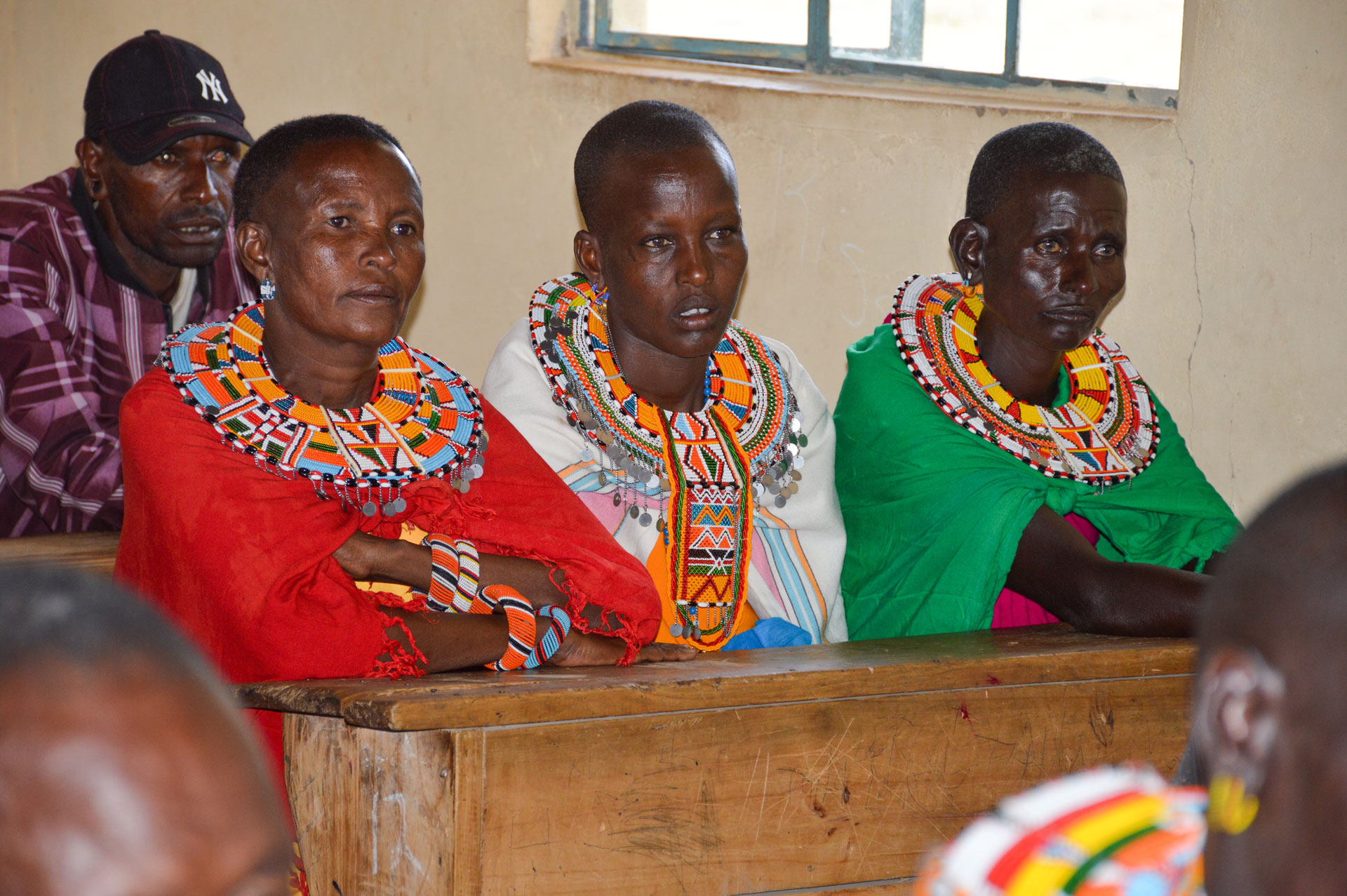
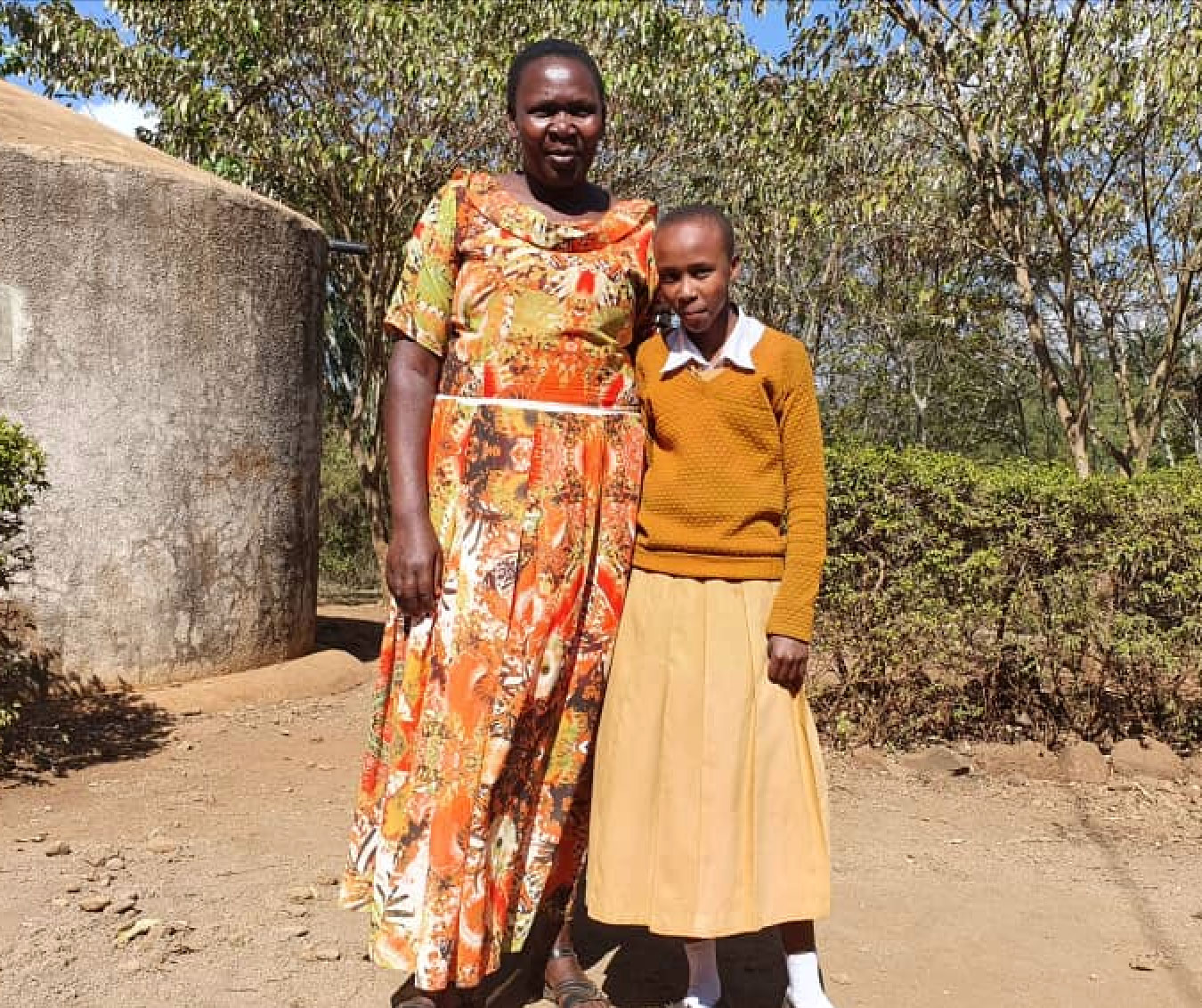
Judica, a young Tanzanian woman empowered by scholarships from Asante Africa, became a beacon of hope in her community. Having escaped child marriage and FGM through educational opportunities, she earned a Bachelor of Arts in Education and returned to her community as a teacher and advocate. Judica actively educates and mobilizes young girls against FGM and early marriage, illustrating the critical role of education in breaking the cycle of harmful practices. Her story is a testament to how education can empower individuals to challenge and change cultural norms.
Naomi's Impact
Similarly, in Kenya, Naomi, a teacher in a rural Samburu village, leverages her education to fight against FGM and early marriage. Through locally organized seminars and mentorship programs supported by Asante Africa, Naomi has created awareness about the rights of the girl child and helped keep girls in school. Despite facing threats and resistance from traditionalists in her community, Naomi’s efforts demonstrate the profound impact of education and local advocacy in shifting cultural perceptions and practices.
Educational Outreach and Community Empowerment
These stories highlight the significant strides made through educational initiatives that empower young girls and engage entire communities. Asante Africa’s approach includes educating boys and men, promoting gender equality, and fostering an environment where women can live free from the threat of FGM. Their programs emphasize the importance of community involvement in sustainable change, ensuring that educational messages resonate within the cultural context.
The path forward involves continued dialogue and education. By maintaining respect for cultural values while advocating for the health and rights of women and girls, we can support communities in evolving these practices on their own terms.
Let us continue to engage in open and respectful conversations to protect and promote the rights of all individuals.
Engage with us at Asante Africa! Your support can take various forms: donations, volunteering, or simply spreading the word about our efforts.
Donate
Your financial contributions can help expand educational programs and scholarships that empower young people, especially girls, to rewrite their futures. Visit Asante Africa’s donation page to contribute.
Learn More
Please visit our official website to learn more about Asante Africa’s impact and how our programs are transforming communities.
Get Involved
Consider volunteering your time or expertise. Information on opportunities can be found on Asante Africa’s Get Involved tab.
Your engagement can make a profound difference. Let’s stand together for change and continue the conversation about the importance of education and community empowerment.