How Software Development Is Shaping the Future of Global Education
Technology is rapidly transforming education, opening doors to more engaging, accessible, and impactful learning experiences. One of the key drivers of this change is the opportunity of software development and implementation, which has introduced innovative tools that are changing how students engage with their studies. From coding platforms that build essential skills to educational apps that bring knowledge to remote areas, software is helping reshape traditional learning and creating new opportunities.
As technology continues to impact economies and societies worldwide, the intersection of education and software holds immense potential for creating a more connected, prosperous future.
The Opportunity of Software Development and Implementation in Education
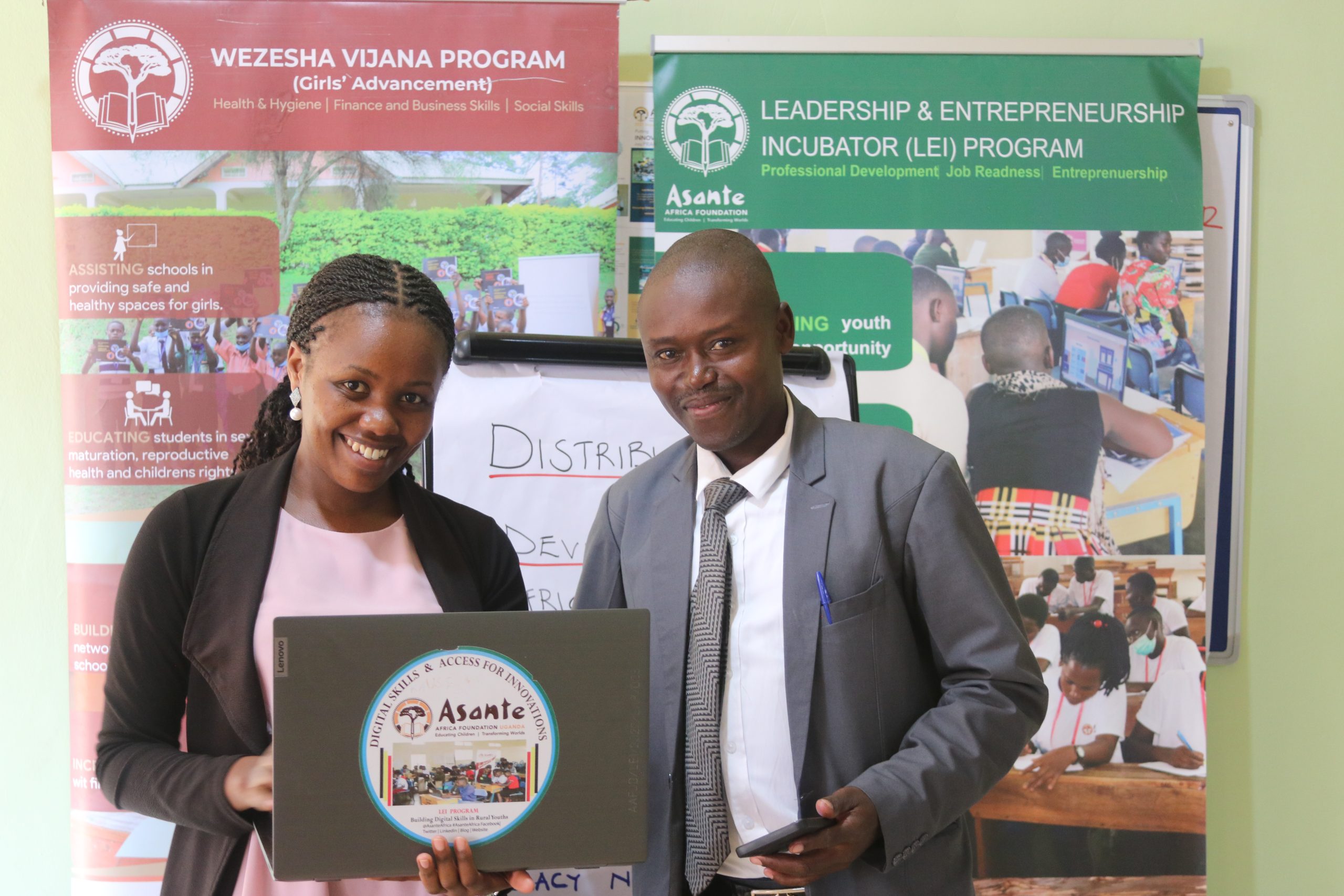
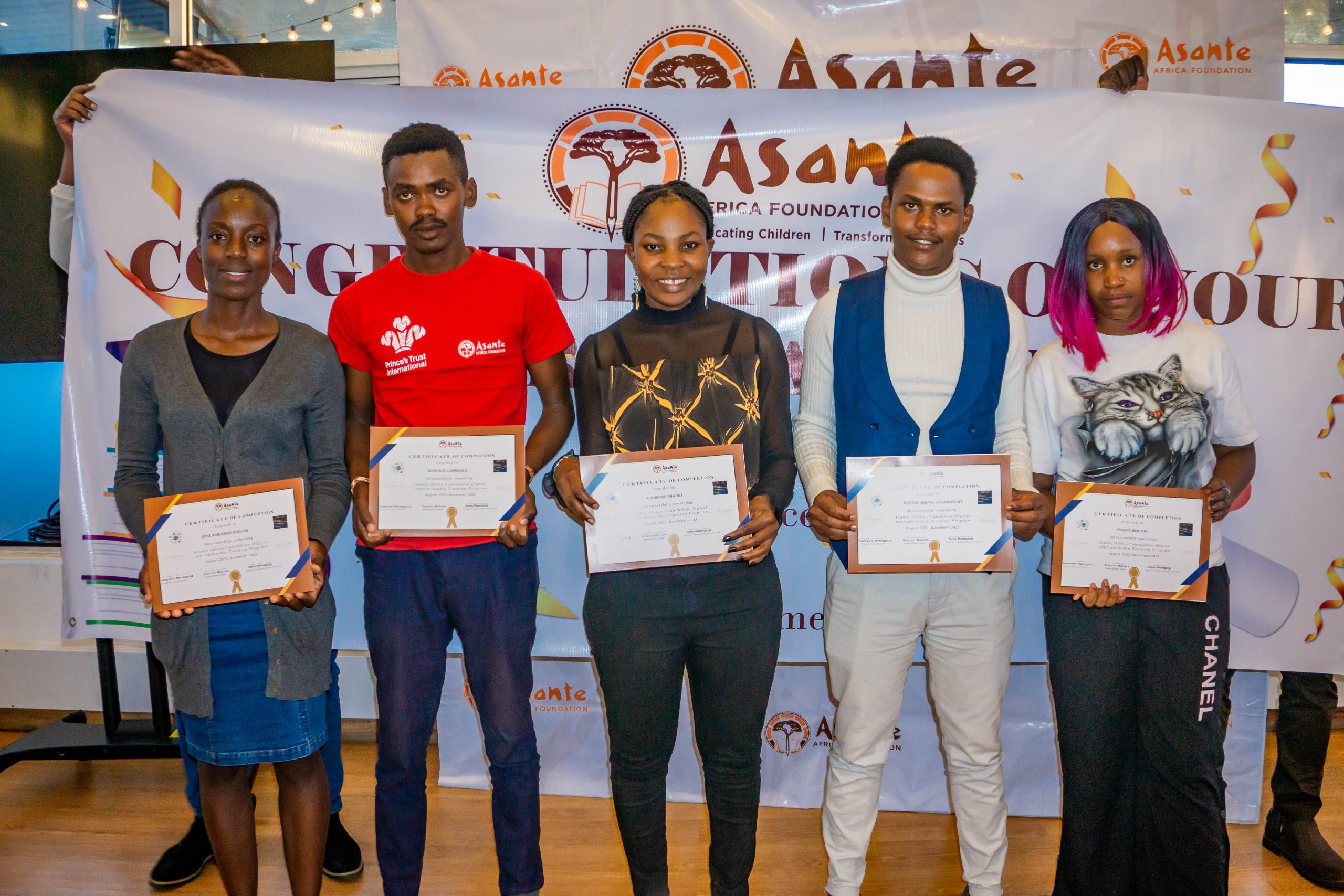
One of the standout examples of software development driving change in education is Asante Africa’s DEEP initiative (Digital Entrepreneurship and Employability Program), which is part of our Youth Livelihood Program. This 15-month program is designed for out-of-school youth in rural areas, ages 18 to 24, giving them intensive training in essential digital skills. The curriculum covers everything from software development and hardware maintenance to project management, entrepreneurship, and job readiness. With partnerships involving major industry players like Google, Cisco, Salesforce, and Amazon, along with local businesses and national governments, participants gain real-world experience and certifications that open doors to new opportunities. By the end of the program, they’ve completed over 1,500 hours of fieldwork.
But DEEP doesn’t stop at teaching technical skills.
Through the Learn-Do-Teach approach, participants get hands-on experience while also reinforcing what they’ve learned by teaching others. This practical method builds confidence and solidifies their understanding of the material.
And the impact doesn’t end with the individual.
DEEP’s Pay-It-Forward model encourages each graduate to share their knowledge with at least three other people, who then do the same, creating a wave of skill-sharing that spreads throughout the community.
The ripple effect is significant. By integrating digital tools into education, DEEP participants gain access to knowledge and skills that empower them to either pursue employment or create their own opportunities. These software platforms not only enhance learning but also foster critical thinking and collaboration. As these young people build expertise in coding, software maintenance, and project management, they’re gaining the tools to compete in the global economy and bring innovation back to their communities.
Investing in an International Education to Create Global Leaders
Investing in international education, particularly in developing regions, is essential for driving global progress. When students in underserved communities gain access to quality education, they acquire the skills and knowledge necessary to thrive in today’s interconnected world. This is especially true in regions where economic growth and opportunity are closely tied to the development of human capital. By focusing on education, we’re not just improving individual outcomes but also helping entire communities move forward, creating a more equitable and prosperous future on a global scale.

One of the key ways international education creates impact is by equipping students with the tools needed to navigate and contribute to a global economy. Software development has become a critical part of this process, as it opens up opportunities for young people to engage with technology, develop problem-solving skills, and gain digital literacy. In programs like DEEP, students learn to code, build software, and manage projects—skills that are essential in almost every industry today. As they master these digital tools, they’re becoming leaders who can compete in international markets, drive innovation, and foster economic growth in their own communities and beyond.
By investing in software development as part of international education, we’re helping to shape the next generation of global-minded leaders. These individuals aren’t just prepared for local challenges—they’re equipped to engage with and contribute to the world’s ever-evolving digital landscape.
Let’s take a look at some inspiring success stories from students who have participated in Asante Africa’s programs:
Joseph’s Story: From Low-Tech Beginnings to High-Tech Success
Joseph grew up in rural Meru, Kenya, where his school had no computers, and his first experience with one came from a laptop his brother owned. Despite the lack of resources, Joseph developed a passion for technology and set his sights on a career in computer science. Although financial challenges prevented him from completing his university degree, his path changed when he joined Asante Africa’s DEEP program. Through this initiative, Joseph gained hands-on experience, completed globally recognized certifications, and developed educational tech systems.
He went on to build his first e-commerce site, which earned him a Tony Elumelu award. Though the business eventually failed, the lessons he learned paved the way for his career. Today, Joseph is the Chief Technology Officer at a tech company, leading a team that develops EdTech systems for private schools.
“My dream is to gain enough business experience to build the next African solar powered data center to host and train education AI models. Thanks to Asante Africa, I believe I can one day achieve it.” – Joseph
Rahel’s Story: Education Empowers Rahel’s Engineering Career
Rahel began her journey with Asante Africa in 2010 as an 11-year-old scholarship recipient. Coming from a struggling family and facing the loss of her father, Rahel’s education was at risk. With the foundation’s support, she was able to continue her studies and discovered a passion for engineering. Through Asante Africa’s programs, Rahel not only received financial aid but also participated in workshops and mentorships that expanded her knowledge and confidence.
In 2019, Rahel graduated with a Diploma in Electronics and Telecommunication Engineering. Today, she works as a systems analyst for an internet service provider, applying her skills in engineering, leadership, and problem-solving. She continues to defy gender stereotypes in the STEM field and is now pursuing a Bachelor’s Degree in Computer Engineering to further her impact on her community.
“An educated girl has the potential to change the world.” – Rahel
The Impacts of Technology on International Development
By integrating technology into education systems, under-resourced regions can overcome traditional barriers, such as a lack of teachers or materials, and provide students with opportunities to thrive in a globalized world.
One of the major challenges in this effort is the digital divide—the gap between those who have access to technology and those who don’t. Asante Africa’s goal is to close this gap by providing digital tools and training to underprivileged communities. Programs like DEEP ensure that youth in rural areas are not left behind in the digital revolution, giving them the resources they need to develop skills that are vital for their personal growth and future careers.
Looking ahead, the long-term impacts of technology on international development are profound. By fostering entrepreneurship and innovation in education, technology is enabling young people to become creators of change, not just consumers of information. As more students gain digital literacy and practical experience, they are better equipped to drive economic growth and solve local problems through technology. The potential for innovation, particularly in areas like software development and digital entrepreneurship, will continue to shape the future of international development, empowering a new generation of leaders to build sustainable solutions for their communities.
Driving Global Change Through Technology and Education
The intersection of education and technology offers limitless potential to create global opportunities. By seizing the opportunity of software development and implementation, we can equip students with the tools needed to thrive in an increasingly digital world. Investing in an international education system that incorporates these digital skills not only benefits individual learners but also contributes to economic growth and innovation on a global scale. As we’ve seen through programs like DEEP, the impacts of technology on international development are profound, empowering young people to lead in their communities and beyond.
To continue this momentum, it’s crucial to support initiatives like Asante Africa that are committed to advancing education through technology. By investing in technology-driven educational solutions, we can help build a brighter, more connected future for generations to come.