From Classroom to Community: Extending Life Skills Education Beyond School Walls with Asante Africa
The traditional classroom model often compartmentalizes learning, leaving a gap between academic knowledge and real-world application. This can be especially detrimental for young people facing complex challenges in their communities. Here at Asante Africa, we believe that education should go beyond textbooks.
We invite you on a journey through our programs that not only teach vital life skills but also encourage students to implement these lessons in real-life scenarios, share their newfound wisdom with others, and contribute to the development of their communities.
Let’s explore the profound impact of extending life skills education beyond school walls and how the Asante Africa Foundation is cultivating a generation of change-makers in Africa.
The Core of Life Skills Education
Life skills education goes beyond memorizing facts and figures. It equips young people with the essential tools they need to navigate the complexities of life, both inside and outside the classroom. These skills empower them to become confident, responsible individuals who can thrive in their personal and professional lives.
Asante Africa Foundation weaves life skills education into our programs:
Learn
Youth develop personalized roadmaps, build entrepreneurship and employability awareness, and hone communication and leadership skills.
Do
Hands-on projects turn theory into practice, fostering community enterprises and preparing youth for the workforce.
Teach
Empowered youth share their knowledge with peers, siblings, parents, and younger students, solidifying their own learning and creating a ripple effect of change.
Pay-It-Forward
By identifying and addressing community challenges through service projects, young people become active leaders and role models.
Why Focus on Life Skills?
Life skills equip young individuals with the tools needed to handle daily challenges, make informed decisions, and seize opportunities. In the context of rural East Africa, where societal and environmental challenges are prevalent, life skills education becomes not just beneficial but crucial.
It bridges the gap between academic knowledge and real-world application, ensuring that young people are prepared for life beyond the classroom. By focusing on life skills, we empower individuals to become self-reliant, resilient, and adaptable, qualities that are indispensable in facing life’s challenges.

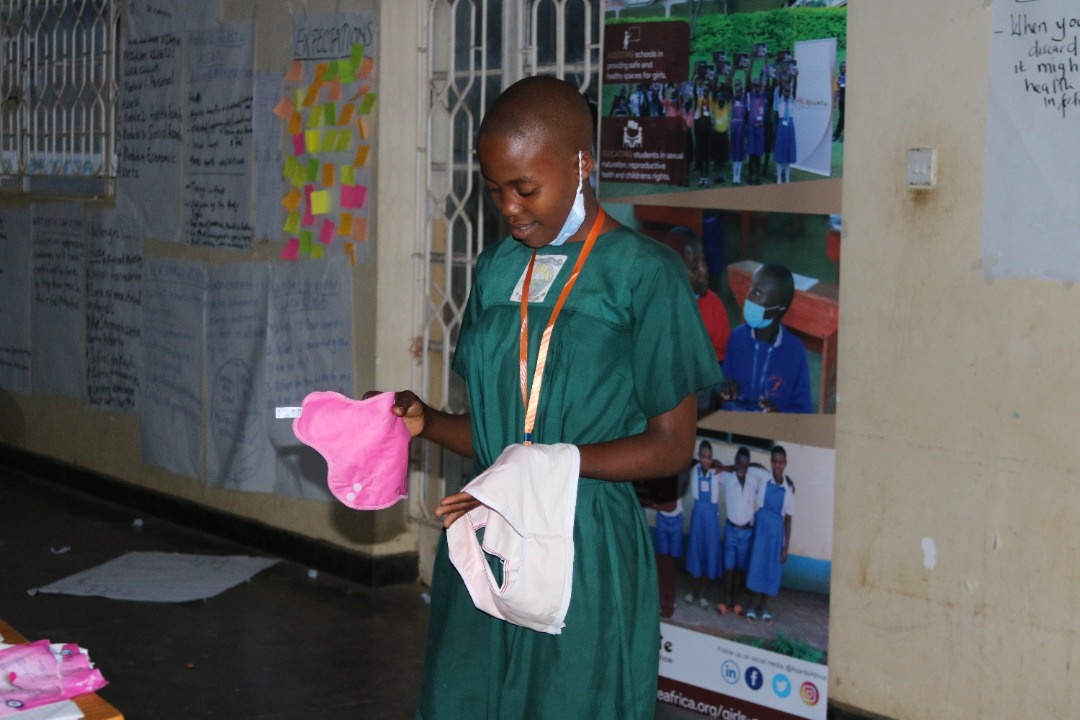
Why Do Girls’ Life Skills Need a Special Focus?
Girls in East Africa face unique challenges that significantly impact their ability to thrive. Early marriage, limited educational opportunities, and gender-based violence are prevalent issues that hinder their personal growth and development. These barriers not only affect girls’ well-being but also limit their future prospects and ability to contribute to their communities.
Recognizing the gravity of these challenges, our Wezesha Vijana Program places a special emphasis on life skills education for girls. By equipping them with a comprehensive set of skills, the program aims to empower girls to navigate and overcome these obstacles, enabling them to achieve their full potential and thrive. This targeted approach acknowledges the specific needs of girls and the critical role they play in the development of their communities and the broader society.
Exploring The Wezesha Vijana Program
The Asante Africa Foundation’s Wezesha Vijana Program, which translates to “Empowering Ourselves” in Swahili, tackles the challenges faced by adolescent girls in rural East Africa. This unique program focuses on developing essential life skills to help young women navigate complexities and become active agents of change in their communities.
Building a Strong Foundation:
The WVP curriculum incorporates a holistic approach, focusing on three key areas:
Personal Assets
Human Assets
Social Assets
A Unique Approach:
The Wezesha Vijana Program goes beyond traditional education models. Here’s what sets it apart:
Safe Spaces
The program creates a supportive environment where girls can learn, share experiences, and build self-esteem.
Peer Learning
Girls participate in activities they develop, fostering a sense of ownership and encouraging them to educate their peers.
Active Participation
WVP treats girls not as passive beneficiaries, but as active participants in shaping their futures.
Boy Involvement
The program includes boys as peer allies, who learn about the challenges girls face and become advocates for gender equality.
Empowering Change:
The Wezesha Vijana Program’s impact is undeniable:
Increased Graduation Rates
Over 400 girls have graduated secondary school thanks to the program.
Parental Engagement
Participation in their daughters’ education has risen by 53%.
Breaking Barriers
Boys are becoming vocal allies, fostering a more supportive environment for girls.
By equipping girls with life skills and fostering a culture of empowerment, the Wezesha Vijana Program is making a lasting difference in East Africa.
Transitioning from the foundation of why life skills are essential, especially for girls facing unique challenges, we now delve into the practical application of these principles through the foundation’s distinctive Learn-Do-Teach model and Pay-it-Forward philosophy.
These methods not only embody the ethos of empowering young people with vital skills but also ensure that these skills are actively utilized to foster community development and sustainable change.
Let’s explore how these approaches transform the concept of education from a passive learning experience to an active cycle of learning, doing, teaching, and making a tangible difference in the lives of individuals and their communities.
Learn-Do-Teach and Pay-it-Forward
The Learn-Do-Teach model, enriched by our Pay-it-Forward philosophy, imparts essential life skills education and fosters a culture of responsibility, leadership, and community engagement among the youth. Through this integrated approach, we ensure that the skills learned are not merely theoretical knowledge but are actively applied and disseminated within communities, embodying the true essence of skilled learning in Africa.
Here’s a closer look at how each component of our unique approach contributes to creating a sustainable cycle of learning and empowerment.
Life Skills Education through LEARNING
The foundational stage of our approach centers on life skills education, where young individuals develop personalized learning roadmaps. This initial phase emphasizes the acquisition of vital life skills, including entrepreneurship and employability awareness, communication, and leadership.
Our focus on life skills and education ensures that participants are well-equipped with the necessary tools to navigate life’s challenges, setting the stage for their success in both personal and professional realms.
Skilled Learning in Africa through DOING
Transitioning from learning to doing, we emphasize hands-on experimentation as a core component of skilled learning in Africa. This practical application allows theoretical concepts to come to life, enabling participants to translate their ideas into actionable projects.
Whether it’s initiating community enterprises or preparing for the workforce, this phase is crucial for bridging the gap between education and real-world implementation, demonstrating the tangible benefits of life skills education.
Empowerment through TEACHING
The empowerment journey continues as participants share their knowledge and skills, teaching others within their communities. This reciprocal teaching process not only reinforces their own understanding but also amplifies the impact of life skills education.
By taking on the role of educators, these young individuals deepen their knowledge, enhance their confidence, and cultivate leadership qualities, thereby embodying the principle of “each one, teach one” within their communities.
Pay It Forward: The Culmination of Life Skills and Education
The pinnacle of our unique approach is encapsulated in the Pay-it-Forward philosophy. Participants, now equipped with comprehensive life skills and education, are encouraged to identify community challenges and address them through service projects.
This act of giving back not only solidifies their roles as community leaders but also ensures that the benefits of skilled learning in Africa are felt far beyond the individual, fostering a resilient, empowered, and self-sustaining community.
The Ripple Effect: Long-Term Benefits and Future Outlook
By embedding life skills into the fabric of daily education, Asante Africa Foundation’s approach not only fosters individual growth but also propels communal development and resilience.
This section delves into the lasting impact of such education, the potential for its scalable expansion across Africa, and envisions a future where life skills education is a cornerstone of development in all regions.
Long-Term Benefits of Extending Life Skills Education
Extending life skills education beyond classroom walls equips young individuals with the tools necessary to navigate life’s challenges, enhancing their personal and professional prospects. This education fosters critical thinking, problem-solving, leadership, and teamwork abilities, laying a solid foundation for lifelong learning and adaptability.
Long-term, this approach cultivates a generation of informed, skilled, and confident individuals capable of contributing positively to their societies. As these individuals succeed, they set positive examples, creating a culture of achievement and aspiration that inspires others.
Scalable Impact Across Africa
The scalable impact of life skills education is vast, with the potential to transform societies across Africa. By adopting models that are adaptable to different cultural and regional contexts, life skills programs can be rolled out in diverse settings, multiplying their benefits. This scalability ensures that even remote or underserved communities can access quality education that prepares their youth for future challenges and opportunities.
Through partnerships, collaborations, and leveraging technology, the reach of these programs can extend even further, making a significant dent in the education and skills gap across the continent.
Vision for the Future of Life Skills Education
Looking ahead, the vision for life skills education in developing regions is one of inclusivity, adaptability, and integration. The goal is for life skills education to become an integral part of all learning experiences, recognized for its critical role in shaping adaptable, resilient, and capable future citizens.
This future sees life skills education as a driver of economic development, social cohesion, and personal fulfillment, supported by policies, practices, and partnerships that prioritize and fund such initiatives.
Achieving this vision requires the support and engagement of the global community. Governments, non-profits, educational institutions, businesses, and individuals must come together to advocate for, invest in, and implement life skills education programs. By pooling resources, sharing knowledge, and fostering a collaborative approach to education, the global community can ensure that life skills education reaches every corner of Africa—and beyond. This collective effort will not only transform the lives of millions of young people but also contribute to a more stable, prosperous, and sustainable world for future generations.
Support Life Skills Education With Asante Africa
We encourage readers to dive deeper into the work of the Asante Africa Foundation, to understand the breadth and depth of our impact. By learning more about the foundation’s mission, programs, and success stories, you can become part of this incredible journey of transformation.
Your support, whether through advocacy, donations, or volunteerism, can help extend the reach of these life-changing programs, empowering more young people to build a brighter future for themselves and their communities.
Explore our website to learn more about how you can get involved and make a donation today. Together, we can help unleash the potential of Africa’s youth and fuel the vision of a more prosperous, sustainable, and equitable future.
Your engagement and support can transform lives and communities, paving the way for a future where every young person has the opportunity to thrive.