
Invest in Her: Girls’ Education in Africa
Asante Africa Foundation believes in the transformative power of education as a catalyst for change. With a focus on girls’ education in Africa, we are committed to empowering the limitless potential of young women across the continent.
Why Girls’ Education Matters
Educating girls is more than a matter of gender equality; it’s a crucial investment in a brighter, more stable future for all. In Africa, girls face unique challenges that often prevent them from receiving an education, such as poverty, cultural norms, and long distances to schools. Overcoming these barriers has profound benefits: educated women are more likely to improve their personal economic status and the economic conditions of their communities, enhance their families’ health, and foster a cycle of prosperity for future generations.
Our Approach to Girls’ Education in Africa
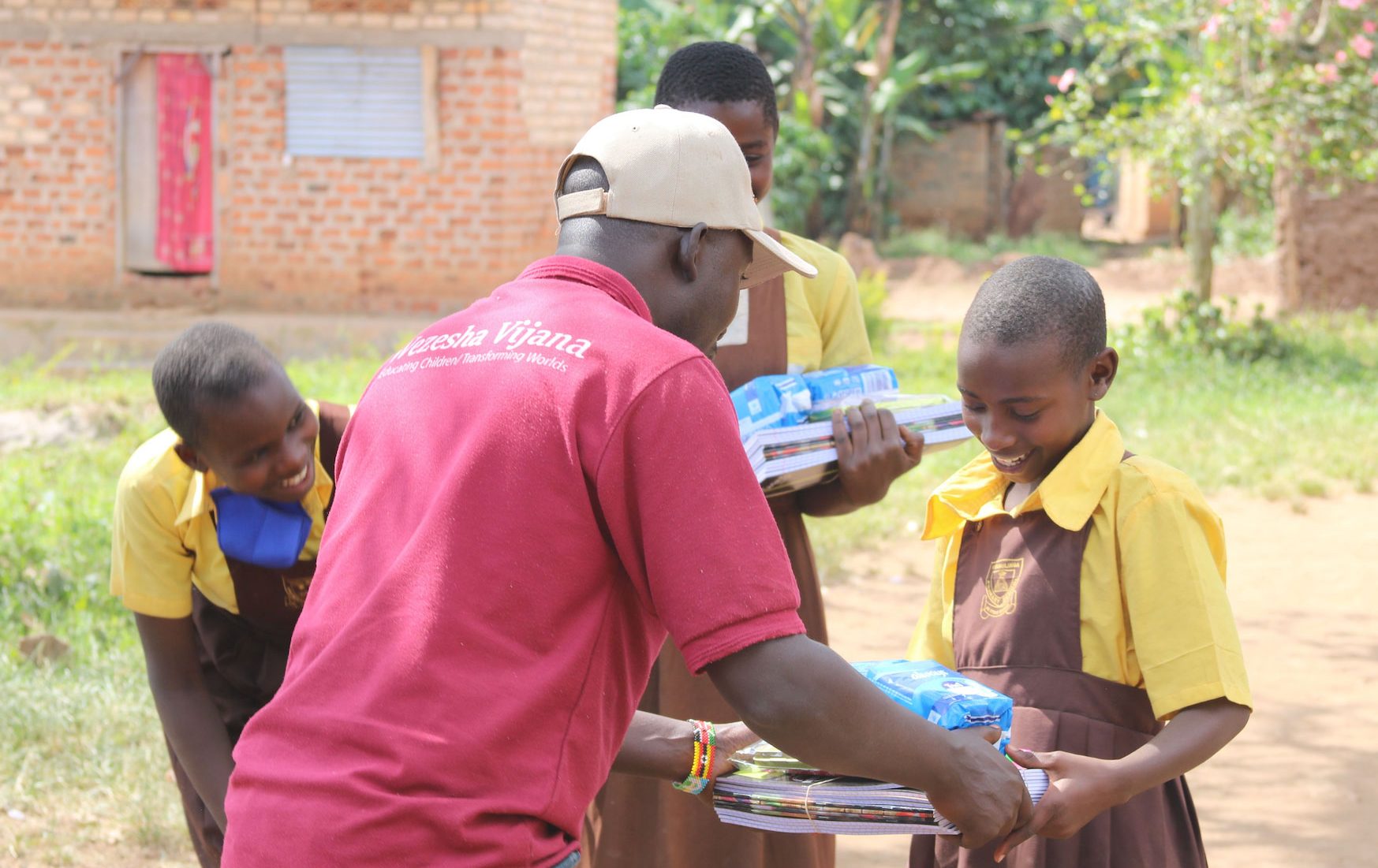
The Wezesha Vijana Program, whose name translates to “Empowering Ourselves” from Swahili, is our transformative initiative to enhance young women’s lives in East Africa. Centered around a woman-focused design, the program advocates for girls and young women to take charge, actively participate, and lead the way in addressing the challenges they face.
Challenges Girls Face
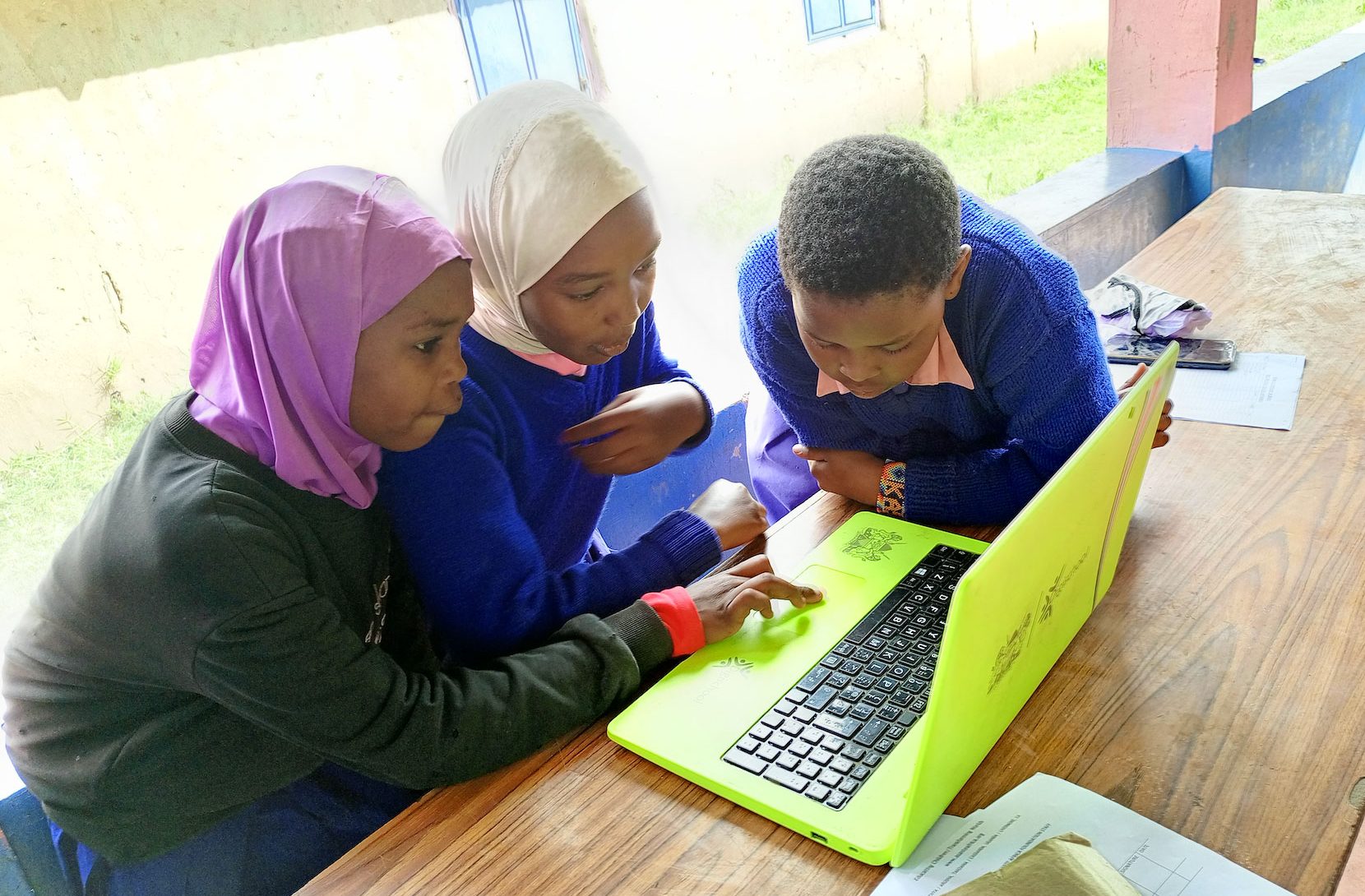
In East Africa, girls encounter numerous barriers that hinder their educational journey. From gender-based violence and early marriage to inadequate educational resources—these systemic issues are particularly severe in rural areas.
16.7 million girls in sub-Saharan Africa are not in school
37% of young women were married before age 18
The literacy rate of adult females in Sub-Saharan Africa was 46.8% in 2000, whereas it increased to 58.8% in 2019
The literacy rate of adult females in Sub-Saharan Africa is only 58%
Program Overview
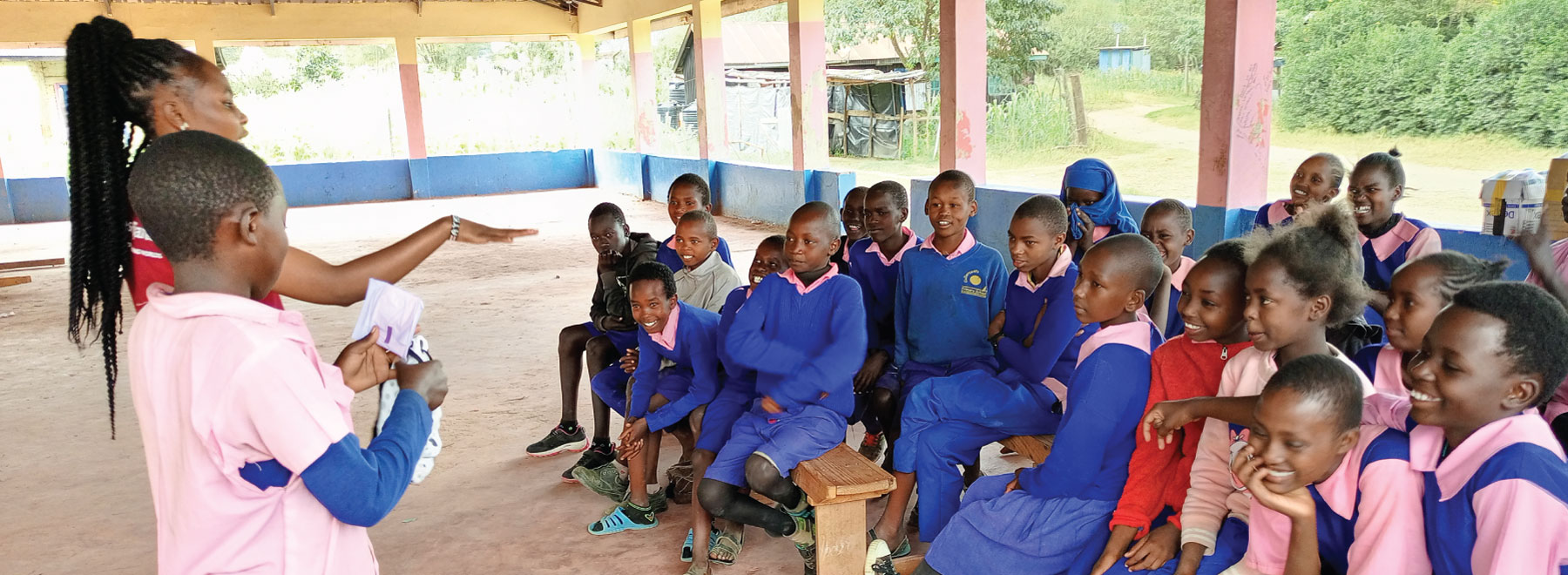
Wezesha Vijana’s innovative approach creates safe spaces for girls to learn about health, finances, and power dynamics. The program sees girls as active drivers of change, fostering a sense of ownership over their destiny.
Target Audience
The primary beneficiaries are upper-primary level adolescents, a period when girls are most vulnerable to dropping out. The program also includes boys, cultivating a sense of allyship and understanding of the girls’ experiences.
Core Topics
WVP’s curriculum spans 16 sessions, covering a diverse range of subjects:
- Personal Assets: Dream mapping, goal setting, confidence.
- Human Assets: Understanding puberty, hygiene, rights, and health issues like teen pregnancy and HIV.
- Social Assets: Developing skills in networking, financial literacy, and community support.
Unique Features
What sets the WVP apart is its comprehensive approach:
- Community Involvement: Integrating community support and parental engagement.
- Peer Mentoring: Promoting peer-to-peer education and support.
- Boys Participation: Including boys as allies in the girls empowerment process.
Impactful Outcomes
The program’s success is highlighted by impressive figures:
90% of male participants would support their sisters in need.
405 female participants have graduated from secondary school in Kenya and Tanzania.
There’s been a 53% improvement in parental involvement in education.
The Wezesha Vijana Program is a beacon of hope, guiding young women toward a brighter future by equipping them with the necessary tools and skills to overcome societal obstacles and lead fulfilling lives.
Programs like these aren’t possible without the generosity of people like you. Each donation fuels the program’s ability to reach more girls, keep them in school, and empower them to build communities where they can flourish. Your support can translate into a world of difference for these young women: more secondary school graduates, more informed and supportive communities, and more empowered young leaders.
Donate now and be the change that empowers a generation of women in East Africa.