
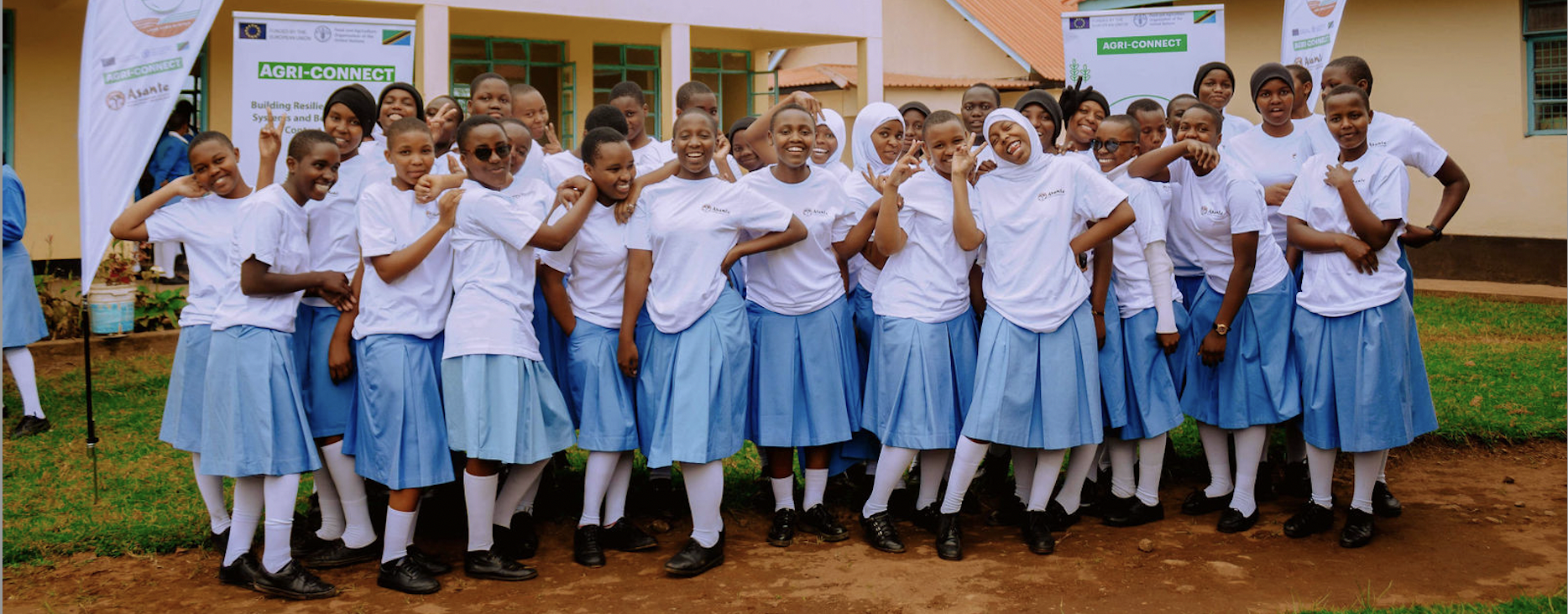
Why Every Girl Deserves an Education: Addressing Gender Disparity in Africa

In many parts of Africa, girls face significant barriers to education compared to boys. These barriers include cultural norms that prioritize boys’ education, economic challenges that limit families’ abilities to send all their children to school, and other societal issues such as early marriage. As a result, fewer girls attend school, leading to a wide gap in education between genders. This situation is not just a matter of fairness; it has deep implications for the future.
But educating girls goes beyond addressing gender inequality. It is a crucial investment in the future of Africa. Education for girls leads to numerous benefits, including economic growth, improved health outcomes, and the breaking of poverty cycles. When girls receive education, they gain the tools to improve not only their own lives but also those of their families, communities, and countries.
By prioritizing and addressing the challenges that hinder girls’ education, we can empower women and drive sustainable development across Africa. That’s our mission at the Asante Africa Foundation.
The Current Landscape of Girls’ Education in Africa
The landscape of girls’ education in Africa is shaped by a complex interplay of socio-economic and cultural factors that reinforce gender disparities. Overcoming these barriers requires a multifaceted approach that addresses not only the financial aspects of education but also societal norms and infrastructure challenges. By tackling these issues, there is opportunity to make significant strides toward gender parity in education across the region.
Gender Disparities
Enrollment and Completion Rates: Girls in Africa have lower enrollment rates in both primary and secondary education compared to boys. In sub-Saharan Africa, approximately 9 million girls aged around 6 to 11 years old will never attend school, in contrast to 6 million boys. This gender disparity begins at an early age, with 23% of girls not enrolled in primary education, compared to 19% of boys. As they reach adolescence, 36% of girls are excluded from education, versus 32% of boys.
Literacy Rates: The literacy rate among young women and girls remains significantly lower than that of their male counterparts, and this disparity reaches into adulthood: For adult literacy, estimates show that, in sub-Saharan Africa in 2018, 81 adult women were literate for every 100 literate men. This gap highlights the long-term impacts of educational disparities, affecting women’s ability to participate fully in their societies and economies.
Socio-Economic Barriers
Poverty: Economic hardship is a major barrier to education for girls. Families struggling to afford school fees, uniforms, and supplies often prioritize the education of boys, viewing it as a better investment.
Early Marriage and Pregnancy: Cultural practices such as early marriage and the high value placed on early childbearing for girls significantly affect their education. Girls who marry young are much less likely to continue their education, leading to a cycle of poverty and limited economic opportunities.
School Infrastructure: Lack of access to safe and sanitary school facilities, particularly separate toilets for girls, is a critical barrier. This issue becomes even more pronounced during menstruation, leading to absenteeism and eventually dropout.
Cultural Barriers
Gender Norms and Expectations: In many African communities, traditional views on gender roles discourage girls’ education, with a preference for them to focus on domestic responsibilities and caregiving roles.
Safety Concerns: Girls often face safety concerns while traveling to and from school, including the risk of gender-based violence. Such dangers discourage families from sending their daughters to school.
Why Education is Important for Women’s Empowerment
Education empowers women, plain and simple. It serves as a powerful tool to bridge the gender gap and uplift communities. This is especially true for women and girls in Africa, where access to education can dramatically alter the trajectory of their lives, contributing not only to their personal growth and empowerment but also to the socio-economic development of their communities and countries.
Breaking the Cycle of Poverty
Education is a key factor in breaking the cycle of poverty. For women and girls in Africa, it provides a pathway out of poverty by opening up opportunities for higher earning potential and employment. Educated women are more likely to engage in productive employment and earn higher incomes, which they reinvest in their families and communities, thereby fostering economic development and poverty reduction. Studies have shown that an additional year of schooling for girls results in a significant increase in their eventual wages, highlighting the direct link between education and economic empowerment.
Health and Well-being
The importance of education extends beyond economic benefits; it is crucial for the health and well-being of women and their families. Educated women possess greater knowledge about health care, nutrition, and hygiene. This knowledge leads to healthier lifestyles and practices, reducing maternal and child mortality rates, improving child health, and increasing life expectancy. Furthermore, education empowers women to make informed decisions about their reproductive health, contributing to reduced fertility rates and improved outcomes for their children.
Empowerment and Participation in Decision-Making
Education empowers women with the knowledge, skills, and self-confidence necessary to participate fully in the decision-making processes within their homes, communities, and beyond. It enables women to voice their opinions, advocate for their rights, and participate in political processes and leadership roles. This increased participation not only contributes to gender equality but also leads to more inclusive and democratic societies.
Among the critical competencies education imparts is financial literacy, which empowers women to manage finances effectively, including saving and budgeting, ensuring a more stable financial future for themselves and their families. We have seen young women from our Asante Africa programs significantly contribute to their families’ economic well-being, particularly in situations where their parents lacked formal education. This elevation in women’s participation not only paves the way for achieving gender equality but also fosters more inclusive, democratic societies.
Challenging Gender Stereotypes and Norms
Access to education plays a pivotal role in challenging and changing gender stereotypes and norms that limit women’s roles in society. By educating girls, societies can gradually shift perceptions about the roles and capabilities of women, promoting gender equality. Education provides women with the platform to challenge discriminatory practices and advocate for their rights, thereby altering societal attitudes and behaviors towards women and girls.
The Ripple Effect
The benefits of educating women and girls have a ripple effect that extends far beyond the individual. Educated women are more likely to educate their own children, creating a virtuous cycle of education that benefits future generations. The empowerment of women through education leads to healthier, more educated, and economically prosperous communities, demonstrating the transformative power of education on societal development.
Sponsor a Girl’s Education: A Path to Equality
Sponsorship programs are a transformative approach to bridging the educational divide for girls in Africa. These programs operate by connecting donors—individuals, families, or organizations—with girls in need of educational support. Through financial contributions, sponsors provide the necessary resources for a girl’s education, including tuition fees, school uniforms, textbooks, and sometimes even accommodations and meals for those who live far from educational institutions. The goal is to remove the financial barriers that often prevent girls from attending or staying in school.
How Sponsorship Programs Work
Sponsorship programs have a profound impact on girls’ education in Africa:
Increased Enrollment and Retention
By removing financial barriers, more girls enroll in and complete their education.
Improved Academic Performance
With access to the necessary resources and support, sponsored girls often show significant improvements in their academic performance.
Empowerment
Education empowers girls with knowledge, skills, and confidence, enabling them to make informed decisions about their lives and to advocate for themselves and others.
Community Impact
Educated girls are likely to contribute to their communities, breaking the cycle of poverty and promoting gender equality.
Support Asante Africa’s Educational Programs for Girls
Asante Africa Foundation’s educational programs are designed to create lasting change in the lives of African girls by providing them with the essential resources and support they need to achieve their educational goals. By participating in our donation programs, you become a vital part of a movement dedicated to empowering young women through education and a contributor to gender equality and sustainable development in African communities.
How You Can Make a Difference
Become a Sponsor
Engage directly in transforming a girl’s future by sponsoring her education. Asante Africa offers sponsorship opportunities that cover educational expenses, including school fees, books, uniforms, and sometimes boarding costs for those living far from schools. This comprehensive support ensures that every girl has the chance to attend school without financial burden.
Join as a Volunteer
Asante Africa welcomes volunteers to contribute their skills and time in various capacities.
Spread the Word
Utilize your platform, whether it’s through social media, community engagement, or personal networks, to raise awareness about the importance of girls’ education in Africa. Sharing stories of Asante Africa’s impact can inspire others to contribute.
Policy Advocacy
Support and advocate for policies that promote education and gender equality. Engage with policymakers and stakeholders to endorse initiatives that break down barriers to girls’ education.
Direct Donation
Every donation, big or small, makes a difference. Consider making a one-time donation or setting up a recurring contribution to support Asante Africa’s programs.
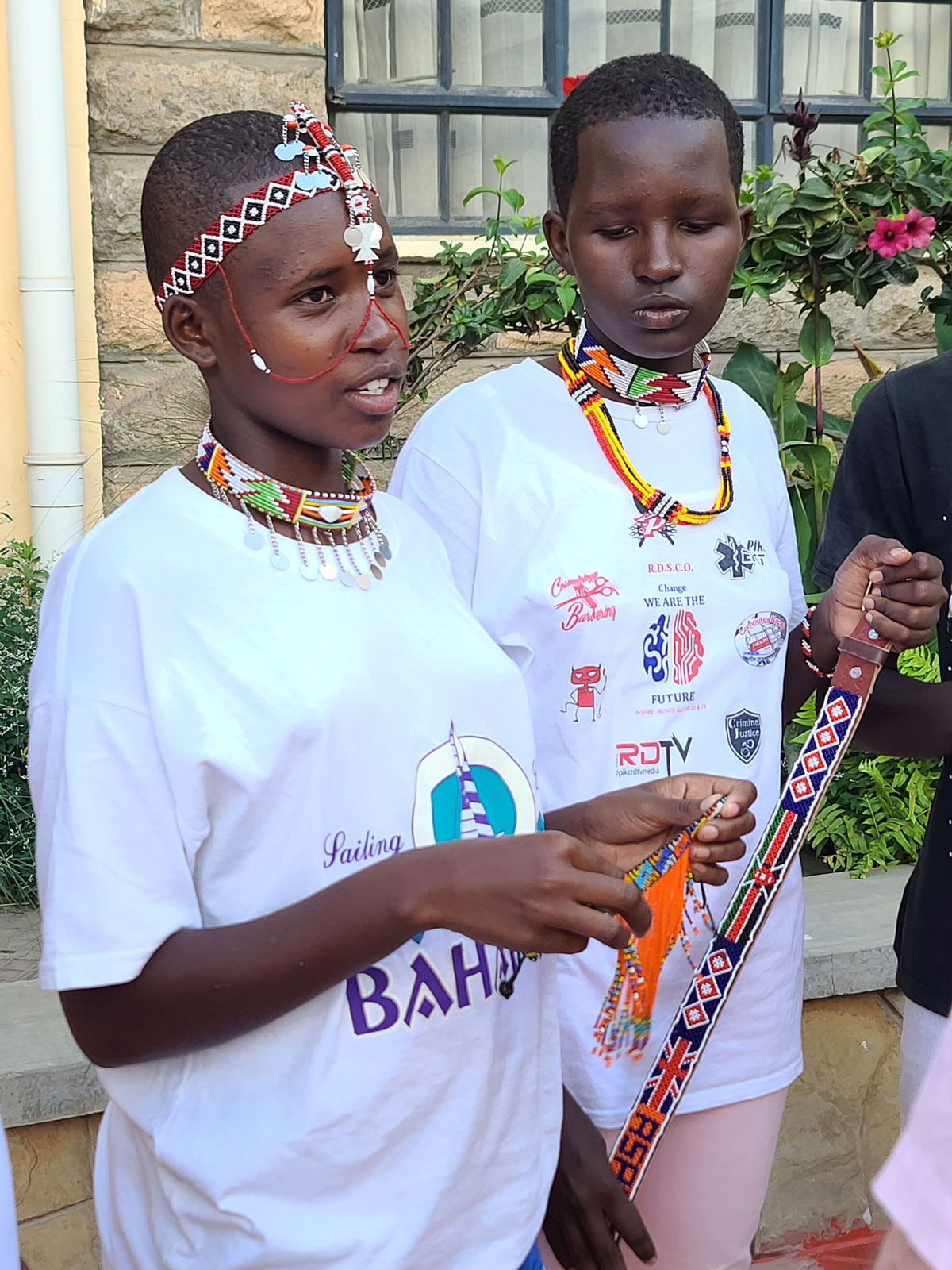
Your engagement with Asante Africa’s programs goes beyond just financial support. It builds a foundation for girls to thrive academically, empowers them with life skills, and fosters environments where they can make informed choices about their futures. The ripple effect of your contribution is profound, affecting not only individual lives but also entire communities by paving the way for a more equitable and prosperous future.
Together, we can create a world where every girl has the opportunity to achieve her educational aspirations, contribute to her community’s growth, and take her rightful place as a leader in society. Join Asante Africa in this transformative journey towards gender equality and educational empowerment. Your support is not just a donation; it’s an investment in a brighter, more equitable future for all.