
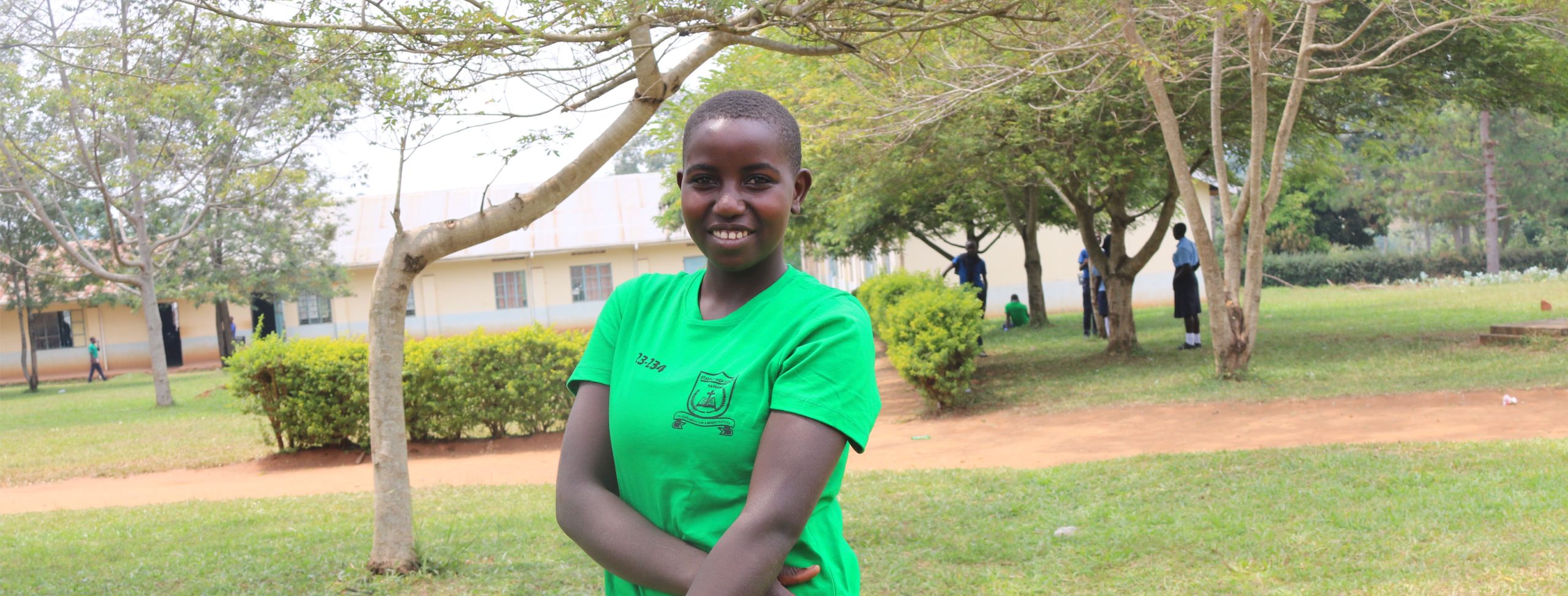
When She Thrives, the Nation Thrives:
Asante Africa and Female Impact on the Economy
“When You Empower a Woman, You Empower the Whole World”
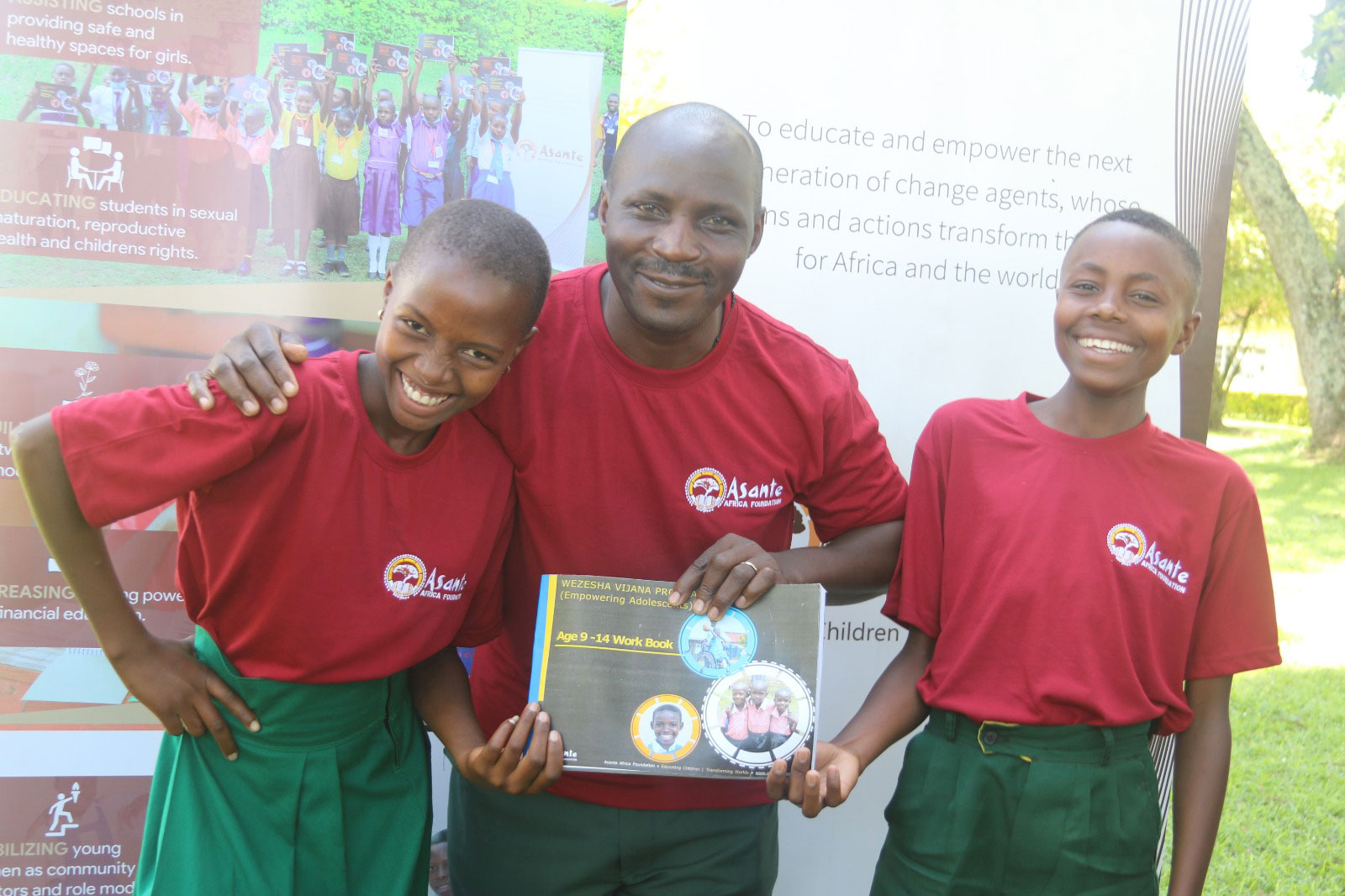
Asante Africa recognizes the undeniable power young women hold as agents of change across East Africa. We are dedicated to fostering economic independence and opportunity for the next generation of female entrepreneurs in East Africa.
A cornerstone of this commitment is the Wezesha Vijana Program. This initiative provides young women with the tools and resources they need to thrive. It’s a comprehensive life skills program designed with a human-centered approach that puts the needs and voices of young women at the forefront of its objectives. By actively involving participants in crafting solutions to the challenges they face, the program not only addresses immediate educational and social needs but also builds a foundation for sustained female impact on the economy.
Investing in girls through WVP isn’t just about individual success – it’s about accelerating progress towards a brighter future for all of Africa, one built on equity and prosperity. Join us as we explore the transformative impact of this program and how it contributes to building resilient, inclusive societies in East Africa.
The Challenges Girls Face in East Africa
Girls in East Africa face a complex web of social, cultural, and health challenges that hinder their education and overall development. These obstacles not only impact their individual lives but also hold back the progress of entire communities.
Educational access remains a struggle
Despite strides made, Africa still has some of the highest rates of girls’ exclusion from education globally: UNESCO estimated that approximately 16.7 million girls are out of school across sub-Saharan Africa. Poverty forces many families to prioritize boys’ education, leaving girls to shoulder domestic burdens.
Early marriage is a prevalent issue
According to UNWomen, 37% of young women aged 20-24 in sub-Saharan Africa were married before the age of 18. The practice of early marriage not only denies girls an education, limiting their potential for personal development and economic independence, but also exposes them to health risks associated with early childbearing.
Living conditions can be harsh
In rural Asante Africa, girls face a multitude of challenges. Essential infrastructure like clean water is scarce, forcing them to spend precious time collecting it, jeopardizing health and education. Limited economic opportunities trap families in poverty, hindering both girls’ and mothers’ potential. Safety concerns loom large due to a lack of resources, making everyday life a constant struggle.
All of these issues are linked. Together, they create a cycle that is difficult to break. The lack of education leads to fewer economic opportunities, which can push families to marry off their daughters early. In turn, early marriage limits a girl’s educational attainment and her ability to contribute economically, thereby perpetuating poverty.
Addressing these issues is crucial for the welfare of individual girls and for the economic and social health of the entire region. Investing in girls’ education and well-being empowers them to contribute meaningfully to their communities, fostering a more prosperous and equitable future for all.
What is the Wezesha Vijana Program?
The Wezesha Vijana Program, which translates to “Empowering Ourselves” in Swahili, is an initiative by Asante Africa that embodies a human-centered and rights-based approach to education and development for young women in East Africa. Designed to address the unique challenges faced by adolescent girls in the region, this program fosters an environment where young women can actively participate in their own growth trajectories.
By empowering these young entrepreneurs in Africa, the program significantly contributes to the female impact on the economy.
Human-Centered and Rights-Based Approach
The Wezesha Vijana Program is built around the principles of human rights and dignity. Recognizing that the needs of young women are complex, the program is tailored to respect and respond to these needs by empowering participants to voice their challenges and aspirations. This approach ensures that the solutions developed are not only effective but also sustainable, as they are rooted in the real-life contexts of the girls’ lives.
Methodology and Safe Spaces
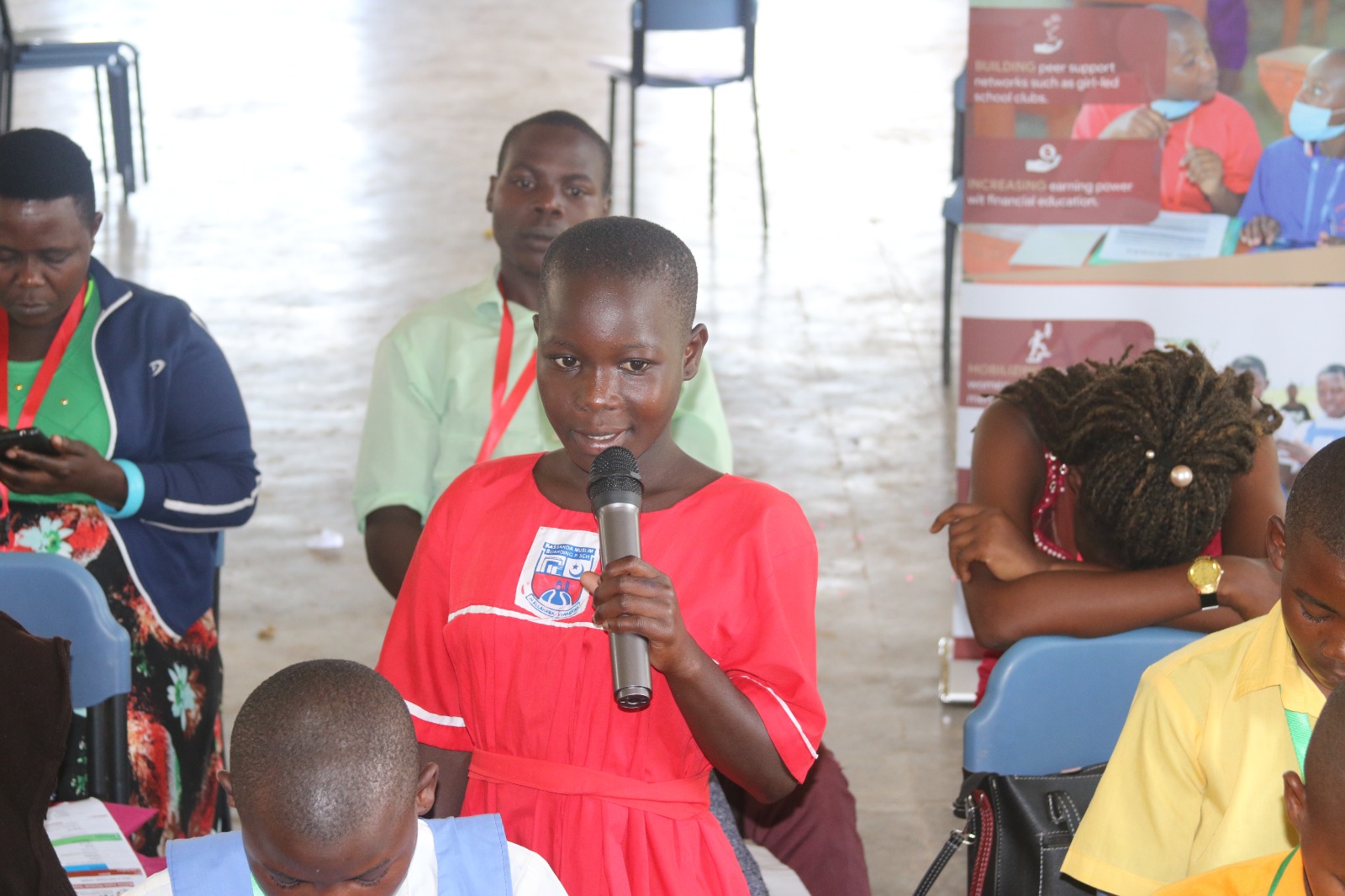
A pivotal aspect of the Wezesha Vijana Program is the creation of “safe spaces,” which are critical for facilitating open discussions and learning among the participants. These safe spaces are environments where girls can feel secure and supported, free from the societal pressures and judgments that often silence their voices. Within these spaces, the program employs a comprehensive methodology that emphasizes personal, social, and economic skills development.
This includes:
Personal Skills
Building confidence, goal setting, and self-awareness, allowing girls to envision a future beyond traditional boundaries.
Social Skills
Economic Skills
Active Participation and Leadership
Fundamental to the Wezesha Vijana Program is its emphasis on the active participation of its participants. Girls are not just recipients of knowledge; they are integral to the program’s design and execution. They take on leadership roles by facilitating peer sessions, contributing to the development of program materials, and participating in community outreach. This empowerment model encourages ownership and ensures that the program is continually shaped and refined by those it aims to serve.
By integrating these elements, the Wezesha Vijana Program not only educates but also empowers young women to become agents of change within their communities.
Female Impact on Economy: Transforming Challenges into Opportunities With Wezesha Vijana Program
The Wezesha Vijana program’s effectiveness is not only reflected in its measurable outcomes but also in the compelling stories of those it touches. This program, designed to empower young women, significantly contributes to their economic engagement and success, which in turn impacts their communities and the broader economy.
Support for Gender Equality Among Male Participants
A pivotal success of the Wezesha Vijana Program is its impact on male participants, who make up 33% of its attendees. By educating young men about the challenges faced by their female peers, the program cultivates a culture of support and equality and leads to a community where women are more likely to succeed economically.
90% of male participants in the program reported they would stand up for their sisters in need, indicating a significant shift towards gender equality and mutual respect within the community.
Advancement in Girls' Education
Education is a cornerstone for economic development, and the Wezesha Vijana Program focuses on keeping girls in school and supporting their educational journeys. In 2021, 405 girls graduated from secondary school in Kenya and Tanzania, a milestone that not only marks individual success but also breaks cycles of poverty and empowers the next generation of women leaders.
Educated women are more likely to start businesses, secure employment, and contribute to the economic development of their regions, thus enhancing the economic stability of their communities.
Increased Parental Engagement
The program has also led to a 53% improvement in parental engagement in their children’s education since its inception. This increased involvement is critical, as it extends the benefits of education beyond the students and into the family unit. When families are more involved in education, it fosters environments that support the academic and personal growth of girls, who can then utilize their skills for economic gain and entrepreneurial ventures.
Each of these elements—from gender equality initiatives to educational achievements and community involvement—illustrates how the Wezesha Vijana Program transforms challenges into economic opportunities for young women in East Africa. By focusing on these areas, Asante Africa fosters a generation of women who are ready to lead and invigorate their economies, showcasing the substantial female impact on the economy.

Join Us in Empowering the Next Generation of Female Entrepreneurs in Africa
By supporting Asante Africa and our Wezesha Vijana Program, you are not just investing in a girl’s education; you are igniting a chain reaction that benefits her, her family, and her entire community. Let’s work together to create a brighter, more equitable future for everyone in East Africa.